
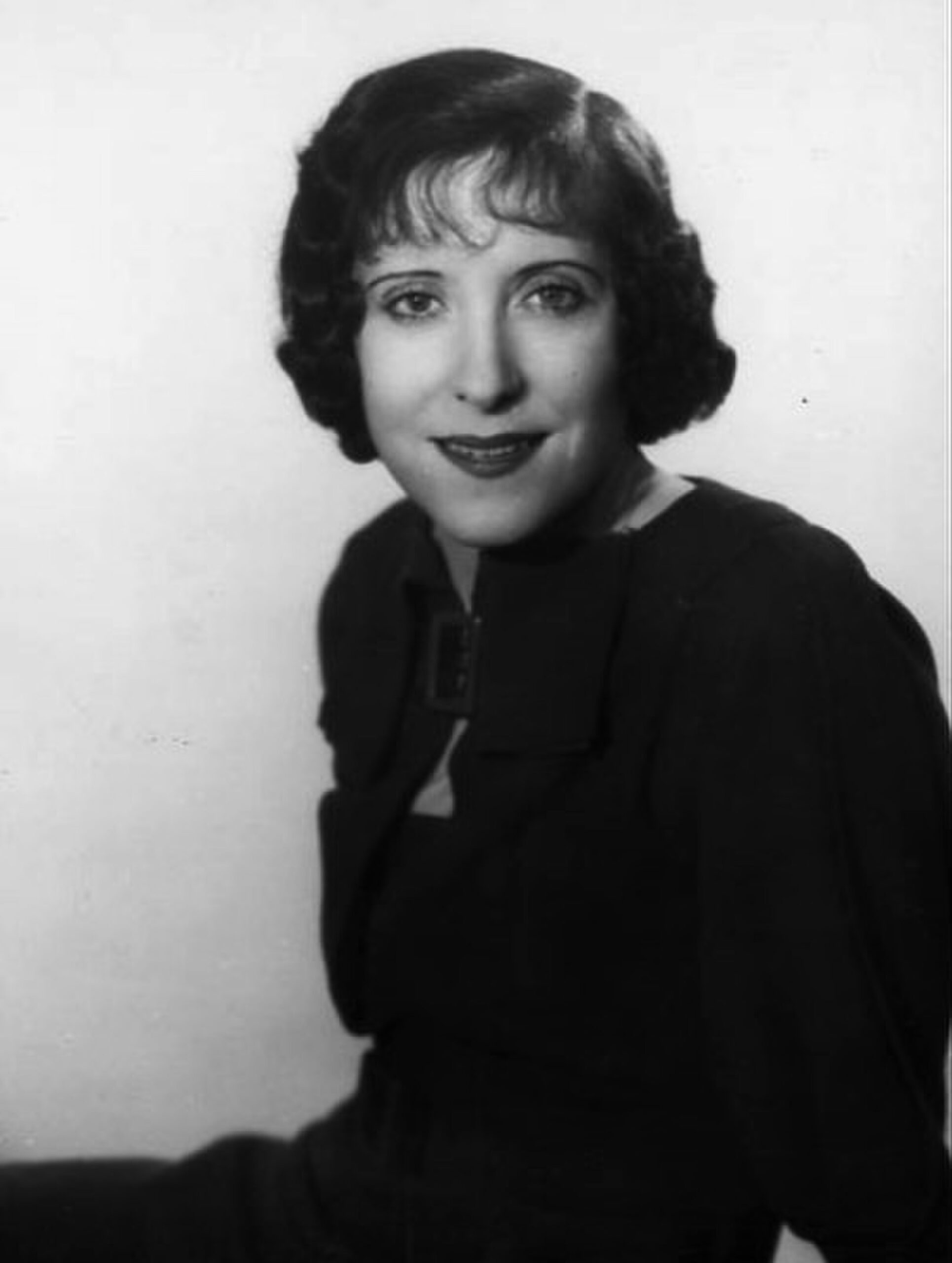
On July 26, 1895, Gracie Allen was born in San Francisco, California, entering a world of performance that she would later revolutionize by inventing one of the most sophisticated, enduring comic archetypes in the history of American broadcast media. Emerging from a traditional showbiz family, Allen honed her impeccable timing on the grueling Irish clogging and vaudeville circuits before forming a legendary professional partnership with a struggling comedian named George Burns in 1922. While they initially cast Burns as the witty comic and Allen as the straight-faced foil, the duo instantly realized that the audience fell deeply in love with Allen’s natural, whimsical charm. They permanently flipped the dynamic, launching a multi-decade empire across radio, film, and television that redefined the mechanics of American humor.
Allen’s comic genius lay in her brilliant mastery of “illogical logic”—a highly complex performance style where her character treated the most absurd, surreal premises with absolute, deadly serious common sense. Unlike the prevailing slapstick or mocking female comedy of the era, Allen portrayed a fiercely independent, deeply earnest woman whose brain simply operated on a beautifully parallel, surreal set of rules, making the rigid, traditional world around her look completely ridiculous by comparison. This carefully manufactured persona was so convincing that millions of radio listeners genuinely believed she was that delightfully confused in real life, turning The Burns and Allen Show into a vital cultural escape during the darkest years of the Great Depression and World War II. By seamlessly breaking the “fourth wall” on television and blending her real-world marriage with her fictional stage persona, Allen pioneered the modern sit-com format, carving out a space for women in comedy where intellect was hidden behind a mask of brilliant absurdity.
