
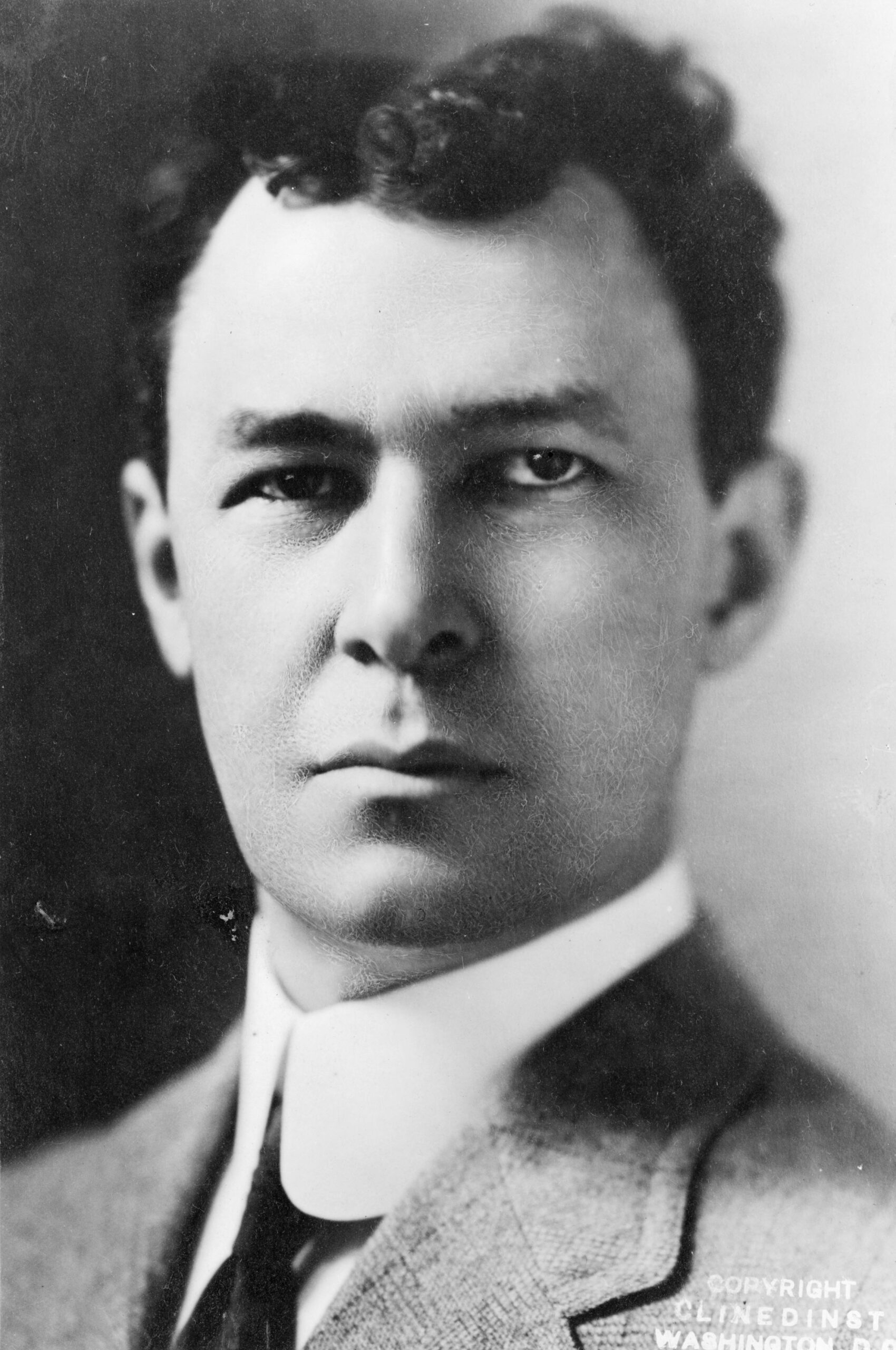
Stanley Wellington Finch (1872–1951) was the first chief of the Bureau of Investigation, appointed in 1908 by Attorney General Charles Bonaparte under President Theodore Roosevelt.
On July 26, 1908, Bonaparte ordered a newly hired group of federal investigators to report to Finch—marking the founding of the Bureau, the earliest incarnation of what would become the Federal Bureau of Investigation (FBI). The Bureau was renamed in 1935, cementing its role as the nation’s premier federal law enforcement agency and establishing its modern identity under J. Edgar Hoover’s leadership.
Image of Stanley Finch via Wikimedia Commons, public domain in the US.
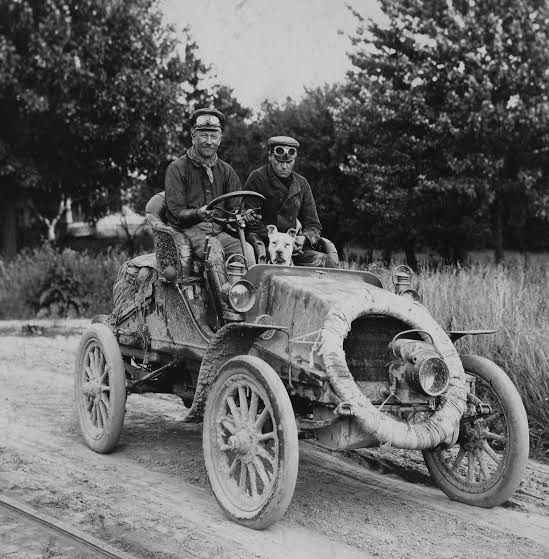
On July 26, 1903, Horatio Nelson Jackson, Sewall Crocker and Bud, the dog ended a 63 day driving odyssey – the first crossing of North America by car. In a used Winton, the human-canine crew traveled from San Francisco to New York City despite there being only about 150 miles of paved roads in the US.
Image via Univ. of Vermont via Wikimedia Commons, public domain in the US.
July 26, 1759
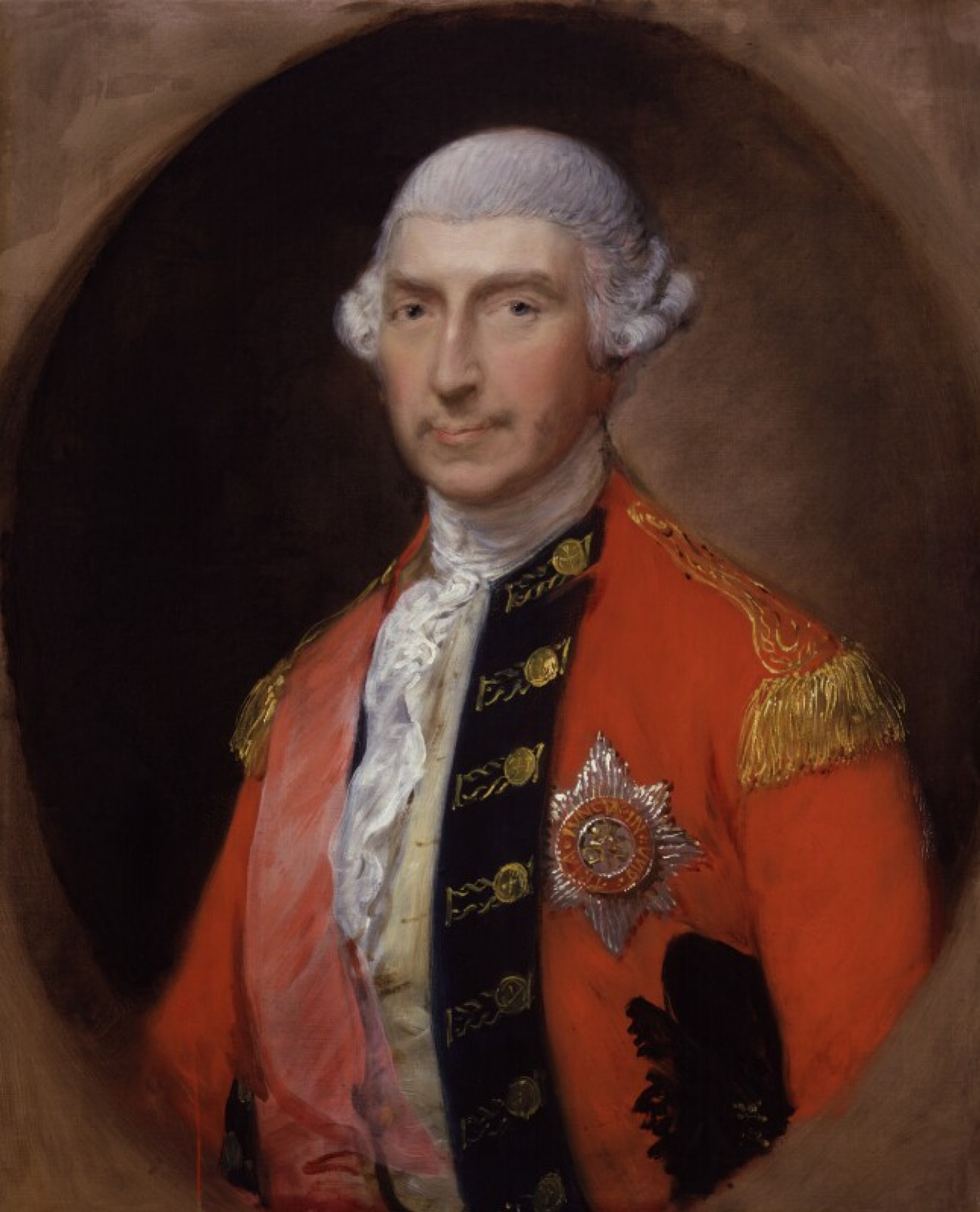
As nearly 12,000 British soldiers under Lord Jeffery Amherst prepared to take Fort Carillon from the French, in present day upstate New York, they received word that most of its arsenal was rigged to detonate. Mines were set by the relatively small French garrison before evacuating. The interior cannons were aimed at the fort’s walls and a gunpowder trail leading to the powder magazine was poured.
Amherst, miraculously learning of the French army’s plans and being the cautious leader that he was, offered 100 guineas to any man willing to enter the fort to extinguish the fuses. No one accepted his offer.
Later a massive explosion occurred followed by a two-day fire, but the fort remained. The English occupied it and named it Ft. Ticonderoga.
Image of Jeffery Amherst, 1st Baron Amherst via Wikimedia Commons, public domain
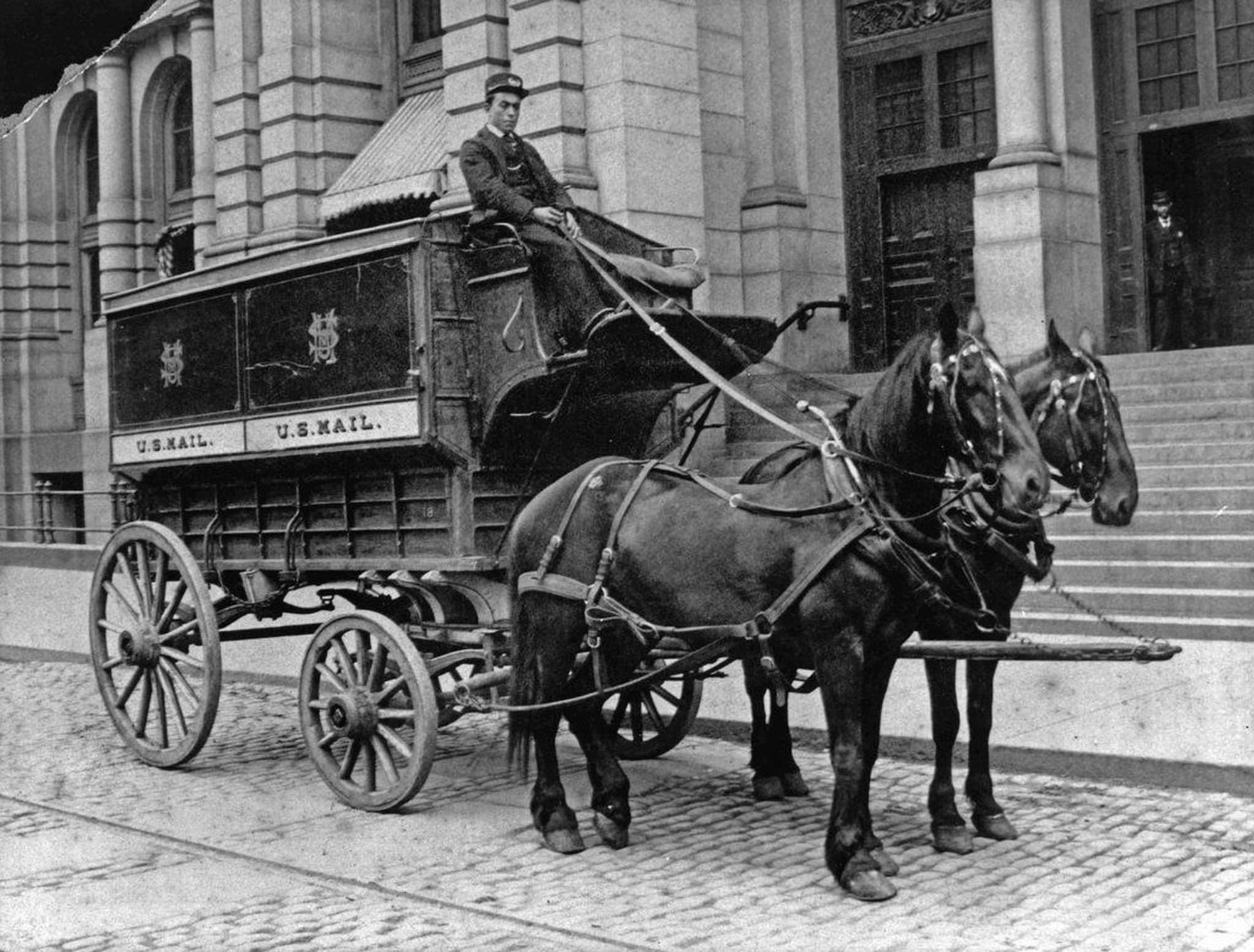
Second Continental Congress established the U.S. Postal system on July 26, 1775.
Image: U.S. Mail Wagon in New York City in 1896
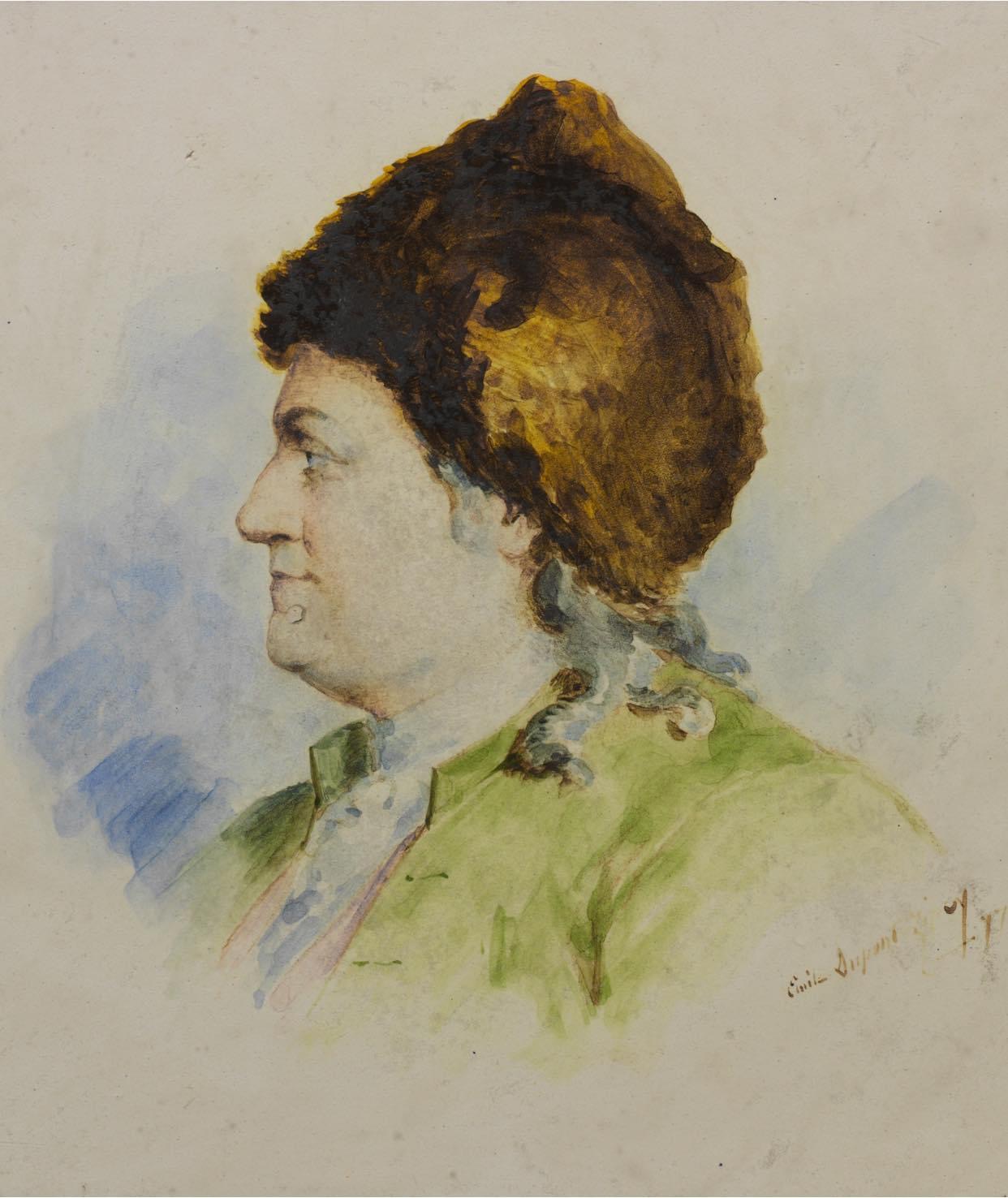
On July 26, 1775, Benjamin Franklin became the first Postmaster General of the United States.
Image of Ben Franklin via Wikimedia Commons, public domain
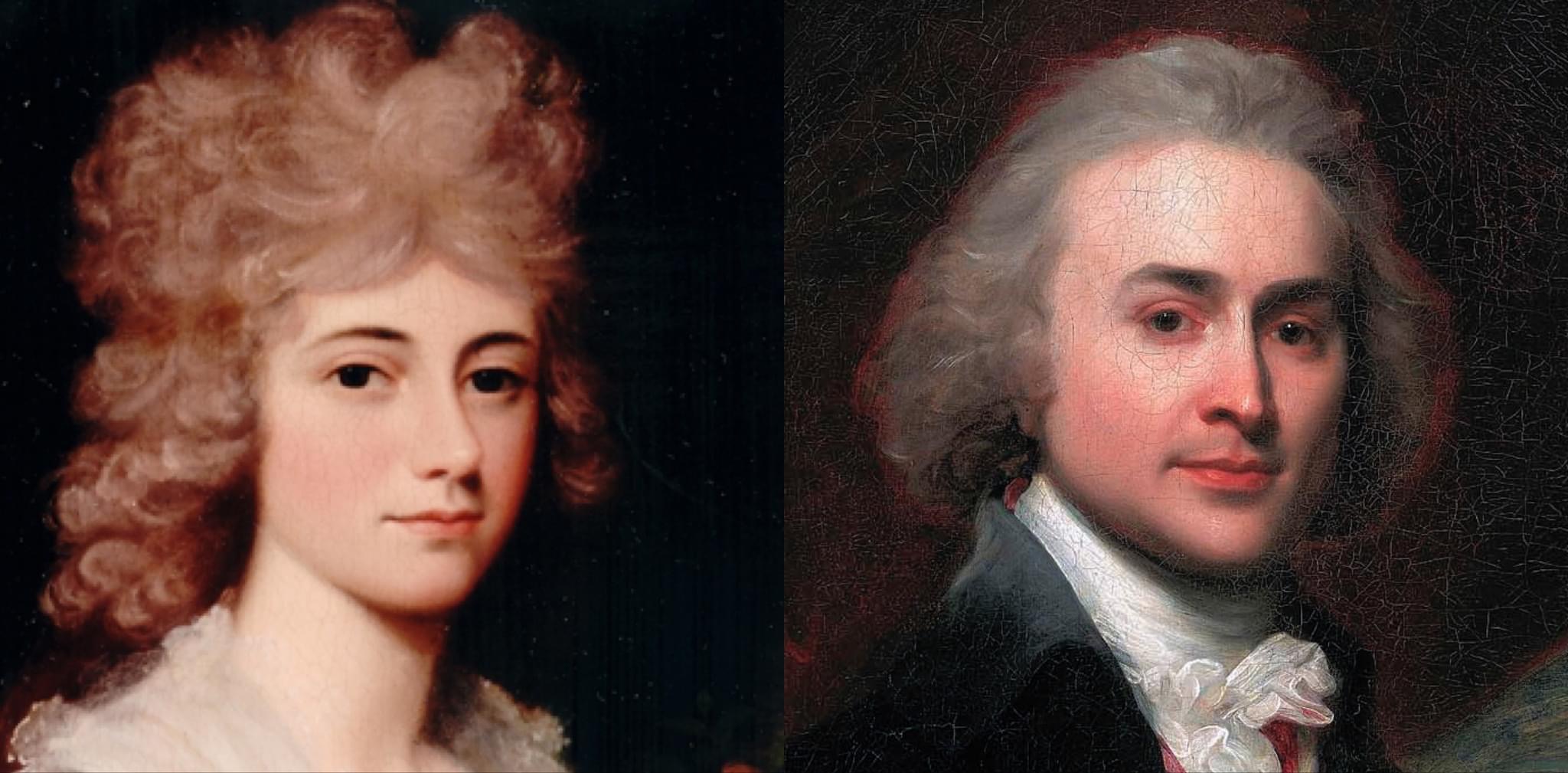
On July 26, 1797, John Quincy Adams married Louisa Catherine Johnson in her hometown of London, England.
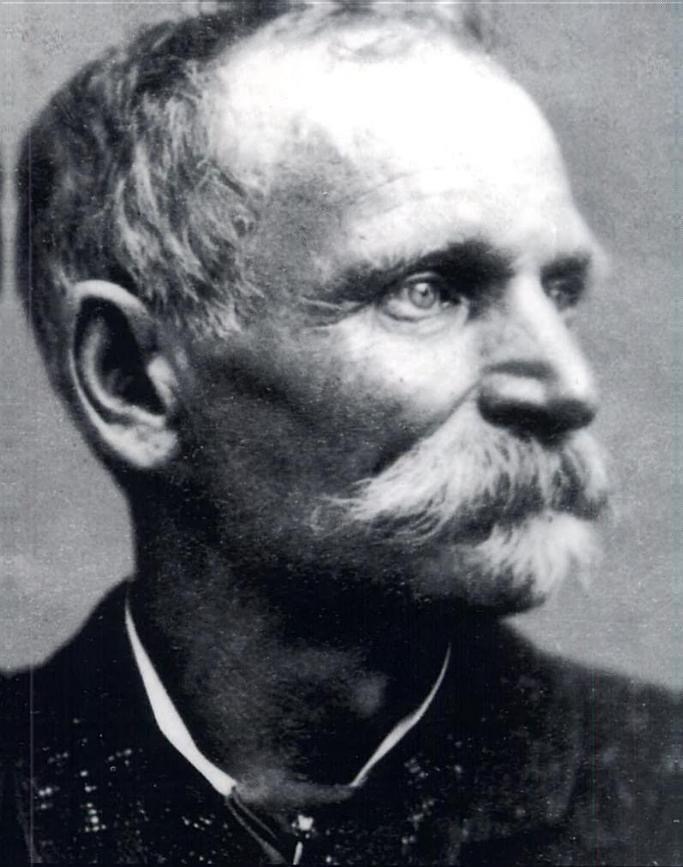
July 26, 1875 – Charles Boles, a.k.a. Black Bart, pulls off the first of 28 stage coach robberies in California and Oregon over eight years. He never fired his shotgun, sometimes left poems in the empty Wells Fargo strong boxes, and was known as a “gentleman bandit.” After leaving prison in 1888 he vanished.
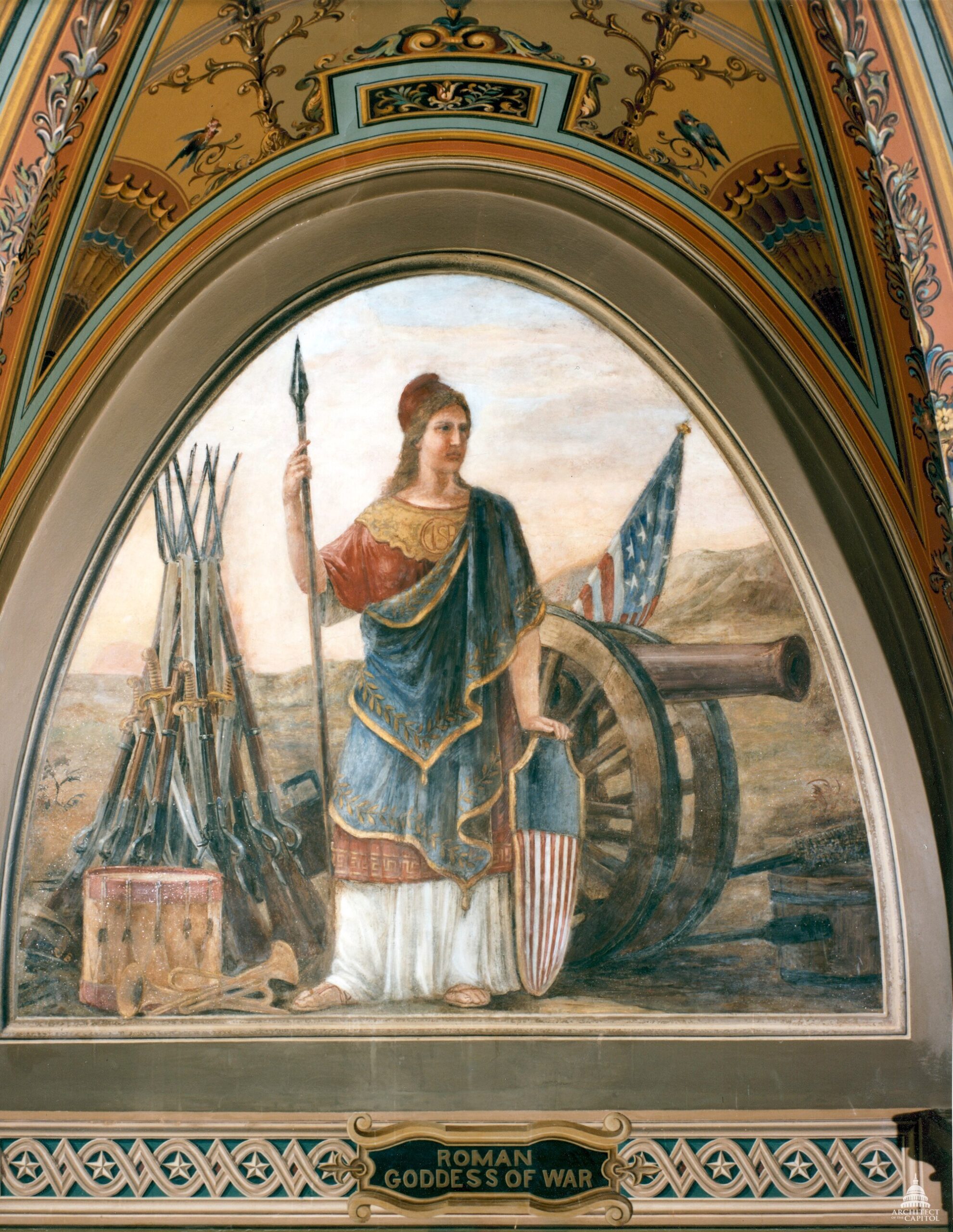
Italian American fresco artist of the U.S. Capitol, Constantino Brumidi, was born in Rome, Italy on July 26, 1805. Here is one of his frescos at the U.S. Capitol showing Bellona who was a Roman goddess of war.
Brumidi became an American citizen in 1852.
Image via Wikimedia Commons, public domain
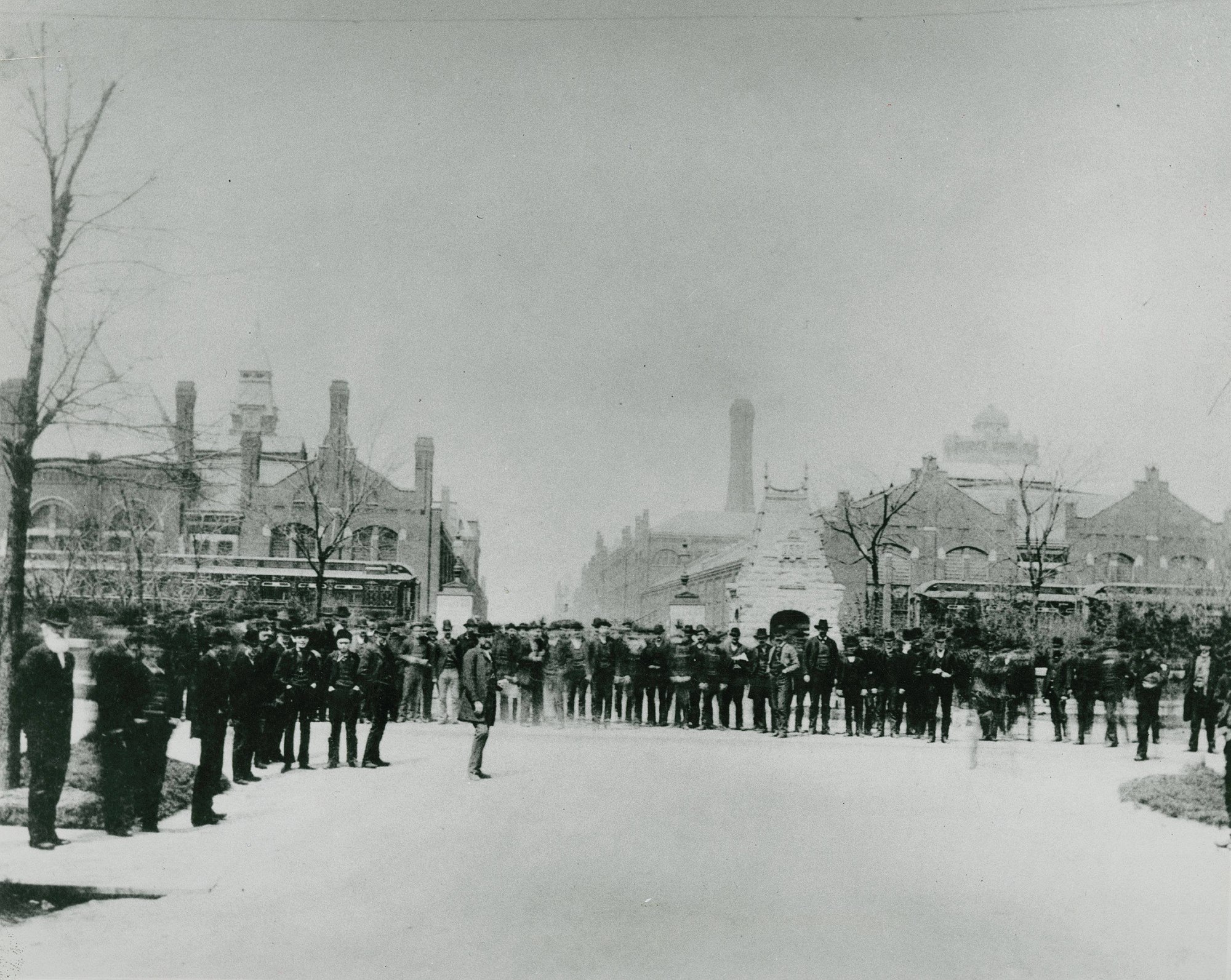
Pullman Strike, 1894 — Federal Inquiry Begins
In the wake of nationwide rail disruptions and violent clashes between striking workers and federal troops, President Grover Cleveland appointed a three-member commission on July 26, 1894 to investigate the causes of the Pullman Strike. The commission’s final report condemned the Pullman Company’s refusal to negotiate, criticized its paternalistic control over workers’ lives, and called for greater labor protections and arbitration mechanisms. Though the strike had been crushed, the inquiry marked a turning point in federal recognition of labor grievances—and helped lay groundwork for future reforms.
Image of Pullman strikers in 1894 via Wikimedia Commons, public domain
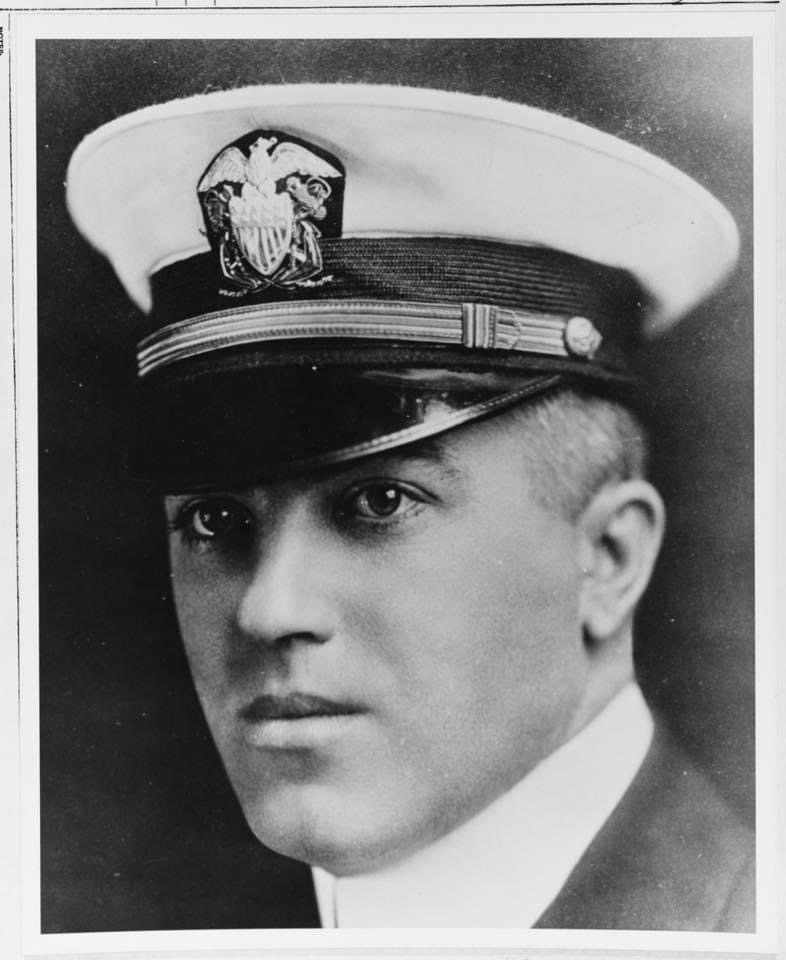
WWI and WWII U.S. Navy hero Daniel J. Callaghan was born on July 26, 1890 in San Francisco, California.
In WWII, during the First Naval Battle of Guadalcanal, rear admiral Callaghan was killed in action aboard the USS San Francisco and was posthumously awarded the Medal of Honor.
Image of Daniel J. Callaghan c. 1920s
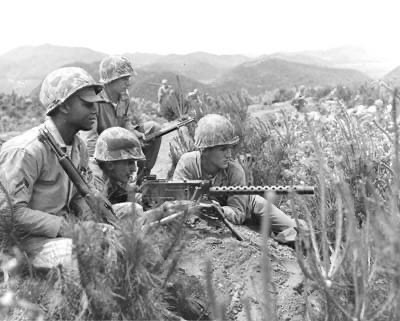
On July 26, 1948, President Truman issues Executive Order 9981, designed to prohibit discrimination “on the basis of race, color, religion, or national origin in the U.S. armed forces.” Change wouldn’t occur overnight but by the Korean War, two years later, Black and White Americans were serving together.
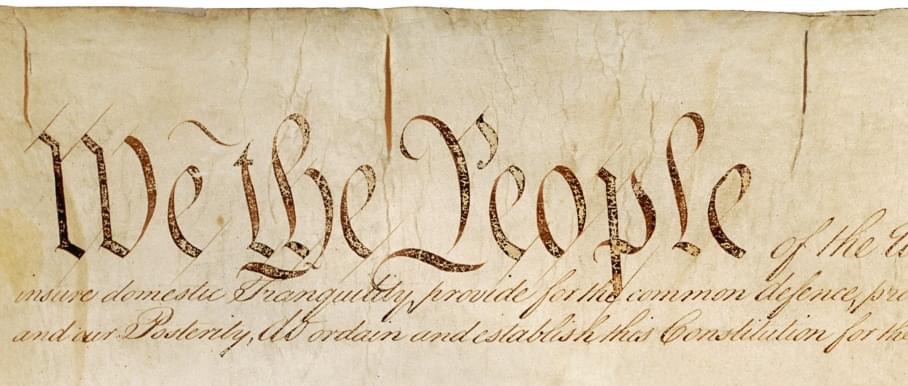
On July 26, 1788, New York ratified The United States Constitution and became the 11th state.
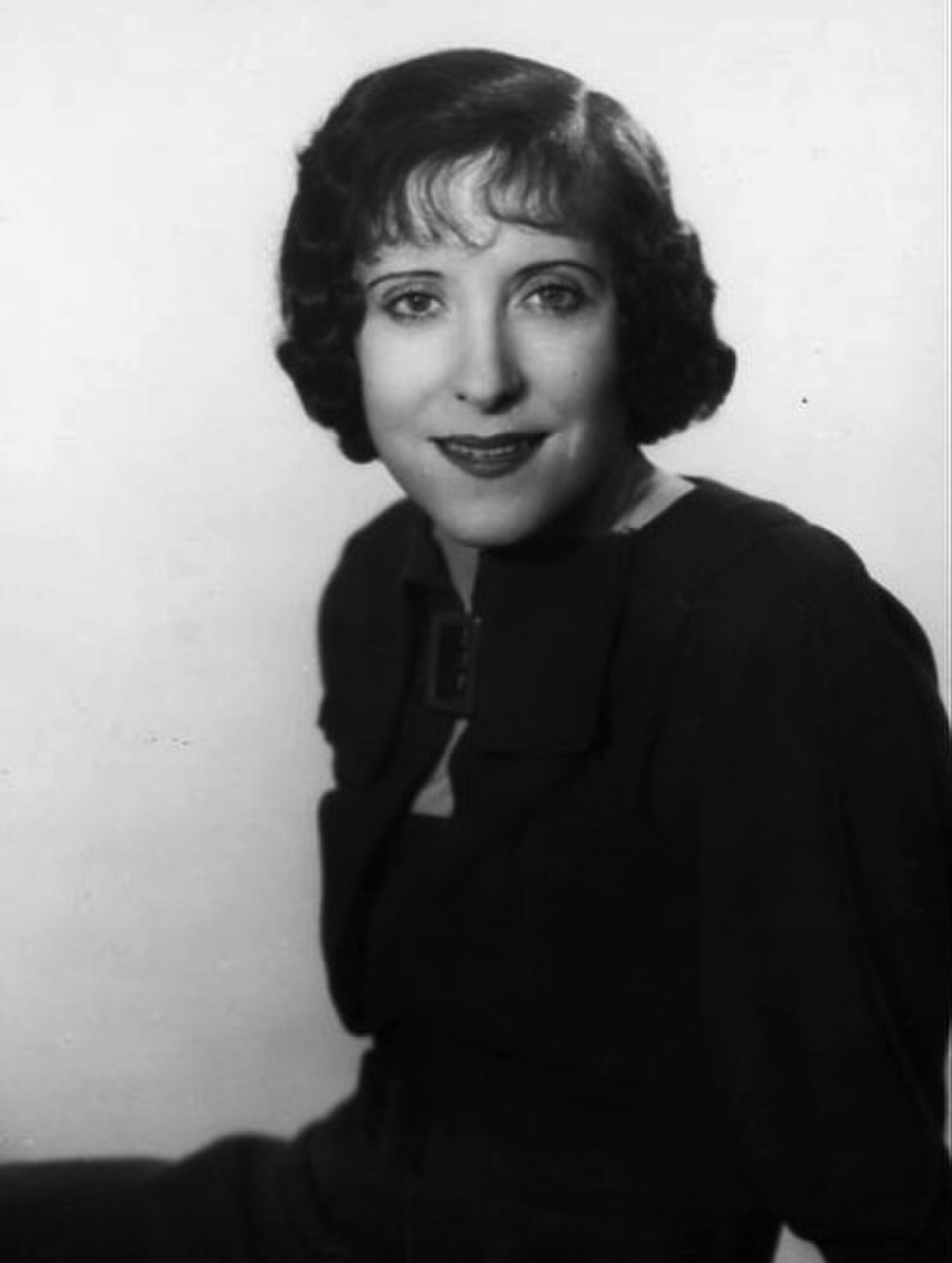
The wife of George Burns, Gracie Allen, was born on July 26, 1895 in San Francisco, California.
She met George at a vaudeville performance in 1922 and the couple married four years later.
Image via Wikimedia Commons, public domain
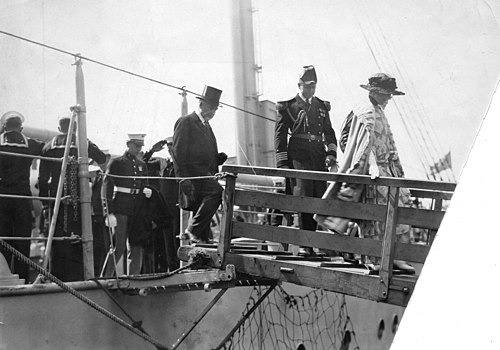
On July 26, 1923 President Warren G. Harding became the first U.S. President to visit Canada (while in office) when he stepped off the U.S.S. Henderson at Vancouver on his way back from Alaska.
Image via Wikimedia Commons, public domain
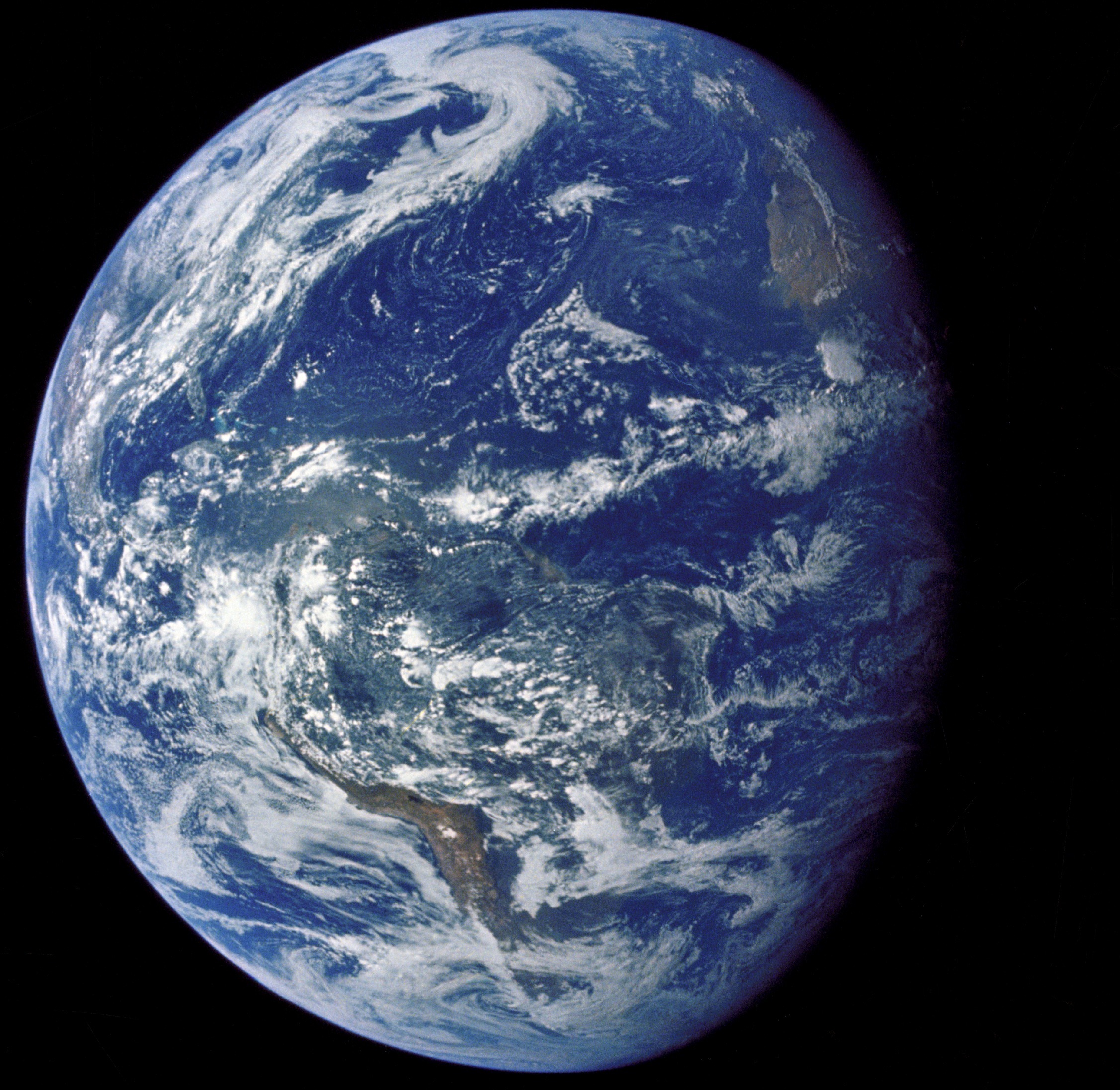
Image of earth taken from a distance of about 30,000 nautical miles on July 26, 1971 during the Apollo 15 mission.
Image via Wikimedia Commons, public domain
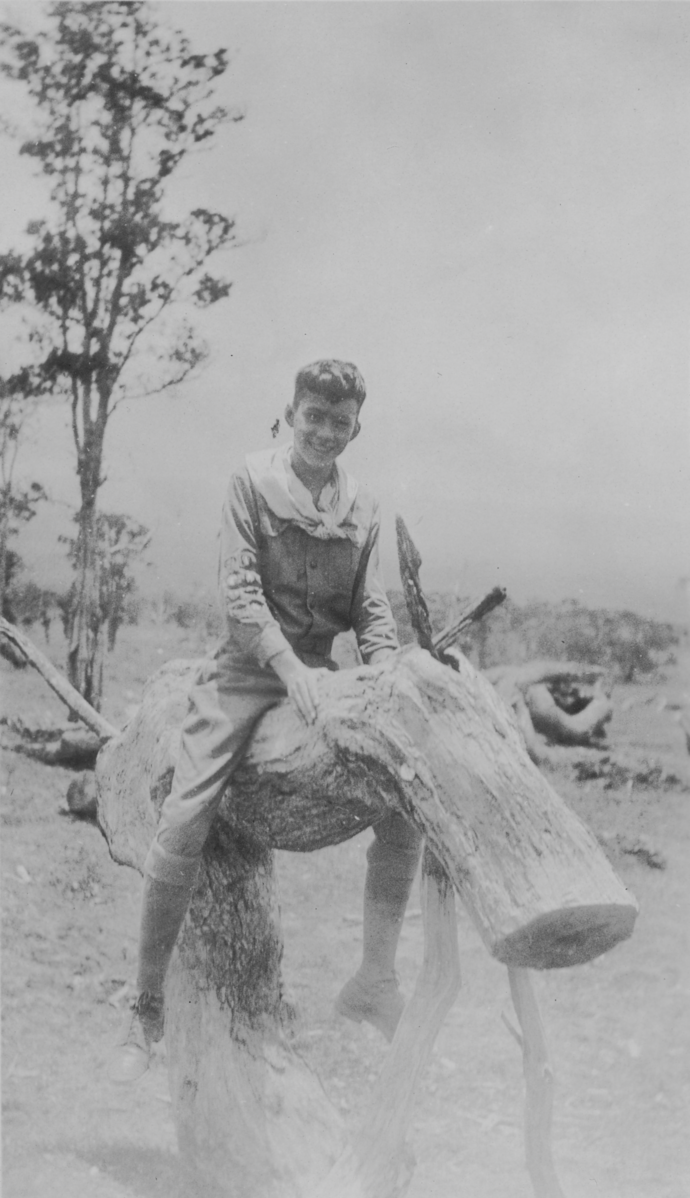
John B. Moffett atop “Spark Plug,” July 26, 1925
Perched playfully on a curved tree trunk resembling a horse, Boy Scout John B. Moffett of Troop 47, Birmingham, Alabama, smiles for the camera in Hawai‘i Volcanoes National Park. Nicknamed “Spark Plug,” the natural formation became an impromptu mount—capturing the spirit of youthful adventure amid the stark volcanic landscape. The image, taken during a visit to the park, reflects the Boy Scouts’ embrace of exploration, imagination, and connection to the natural world.
Image via Wikimedia Commons
