
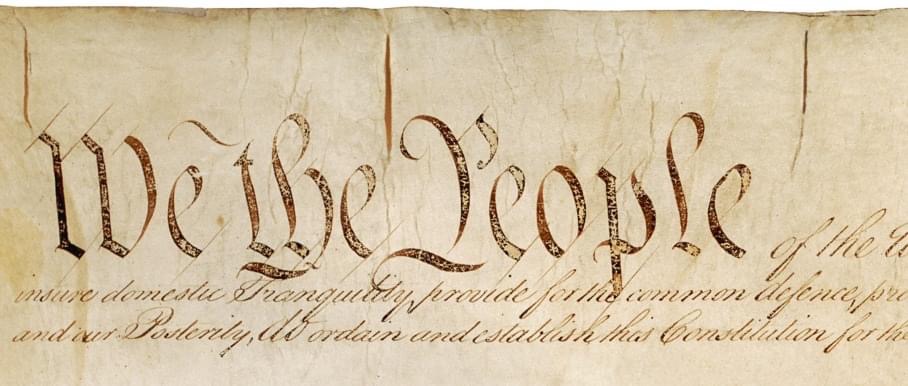
On July 26, 1788, New York officially ratified the United States Constitution at the Poughkeepsie Convention, narrowly voting by a razor-thin margin of 30 to 27 to become the eleventh state to enter the federal union. The convention had initially seemed like a guaranteed victory for the Anti-Federalists, led by Governor George Clinton, who fiercely opposed a strong centralized government that they believed would strip New York of its highly lucrative state custom duties on imported goods. However, Alexander Hamilton, leading the Federalists alongside John Jay, executed a masterclass in political maneuvering, utilizing the brilliant essays of The Federalist Papers to systematically dismantle the opposition’s constitutional arguments.
New York’s late, dramatic entry was an absolute geopolitical and economic necessity that saved the young American Republic from immediate fragmentation before it could even launch. Had New York rejected the Constitution, it would have created a massive, separate territorial block right through the center of the United States, completely cutting off the geography of New England from the southern and mid-Atlantic states. Furthermore, the ratification ensured that the unparalleled economic engine of New York Harbor and the Hudson River trade networks would be fully integrated into the national economy, providing the federal government with the essential tax base needed to pay off revolutionary war debts. By convincing the powerful Clinton political machine to compromise, Hamilton and his allies secured the structural geography and financial foundation necessary for the United States to emerge as a unified continental power.
