
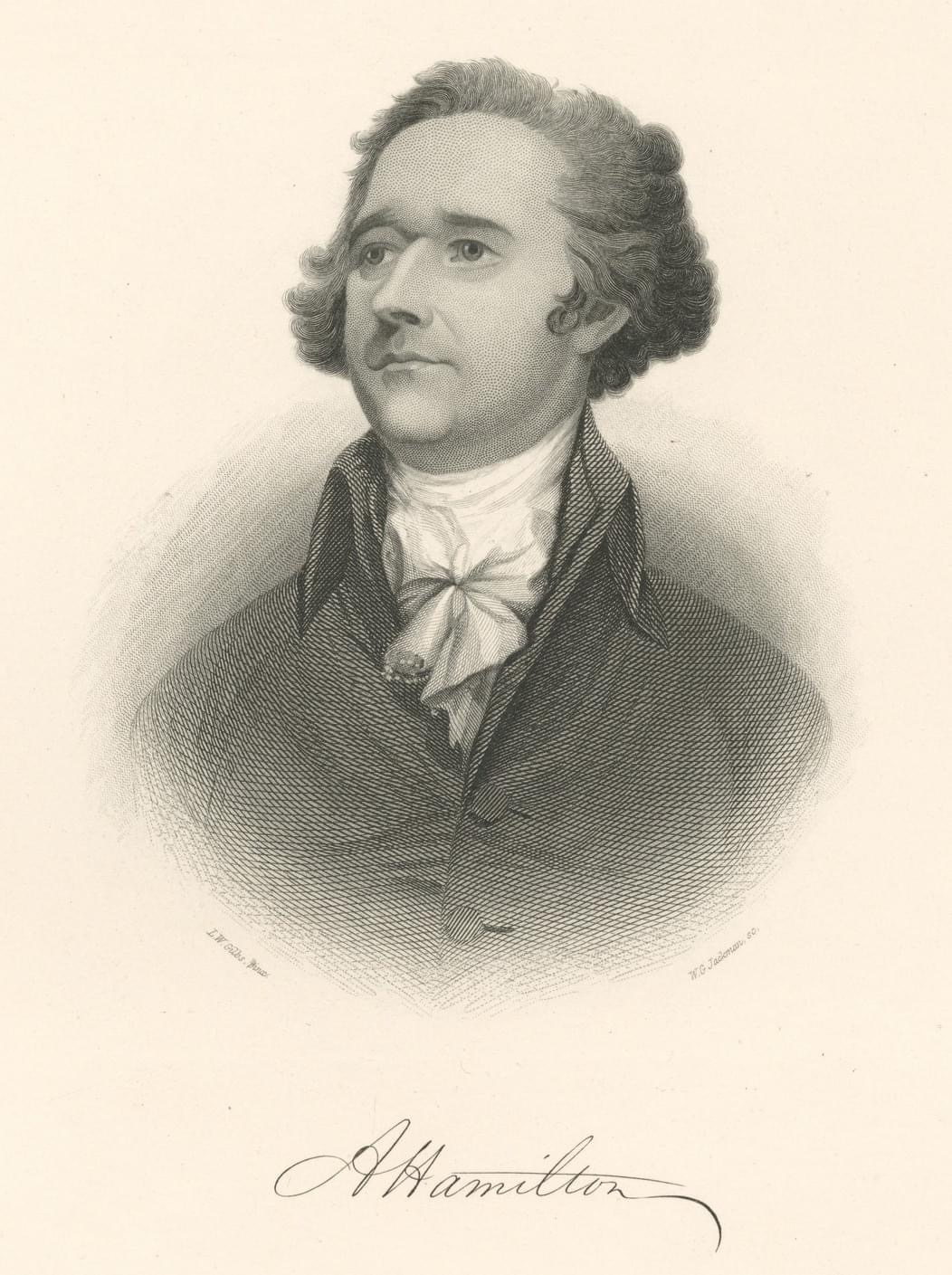
“You will, no doubt, at the same time, have collected from the general scope of them that they proceed from a source not unfriendly to the new Constitution. Yes, my Countrymen, I own to you, that, after having given it an attentive consideration, I am clearly of opinion, it is your interest to adopt it. I am convinced, that this is the safest course for your liberty, your dignity, and your happiness.” – Alexander Hamilton from The Federalist No. 1 On October 27, 1787 The Federalist Papers were first published. Essays of The Federalist Papers were written by either Hamilton, Madison or John Jay under the name “Publius.”
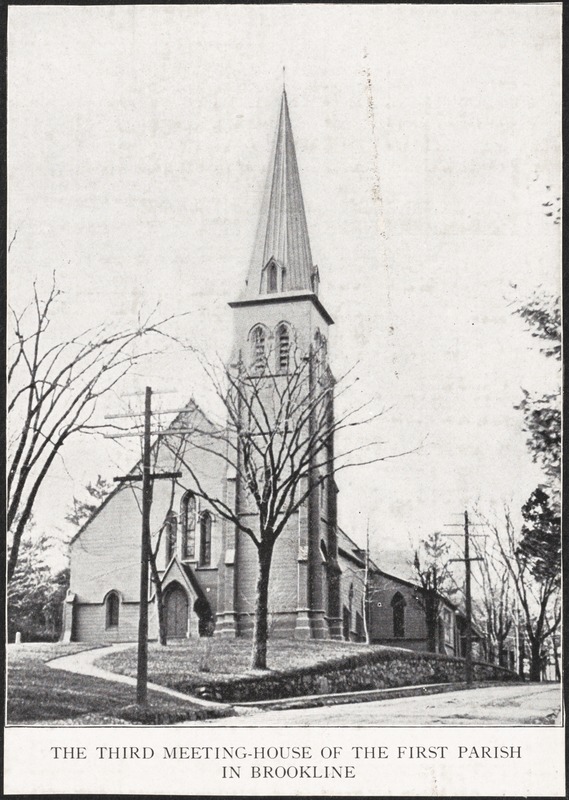
This third meeting-house of the first parish in Brookline, Massachusetts is where Theodore Roosevelt married his first wife Alice Hathaway Lee on his 22nd birthday, October 27, 1880. Unfortunately the marriage only lasted a few years until Alice’s death in 1884. Image via Digital Commonwealth Massachusetts, no known restrictions
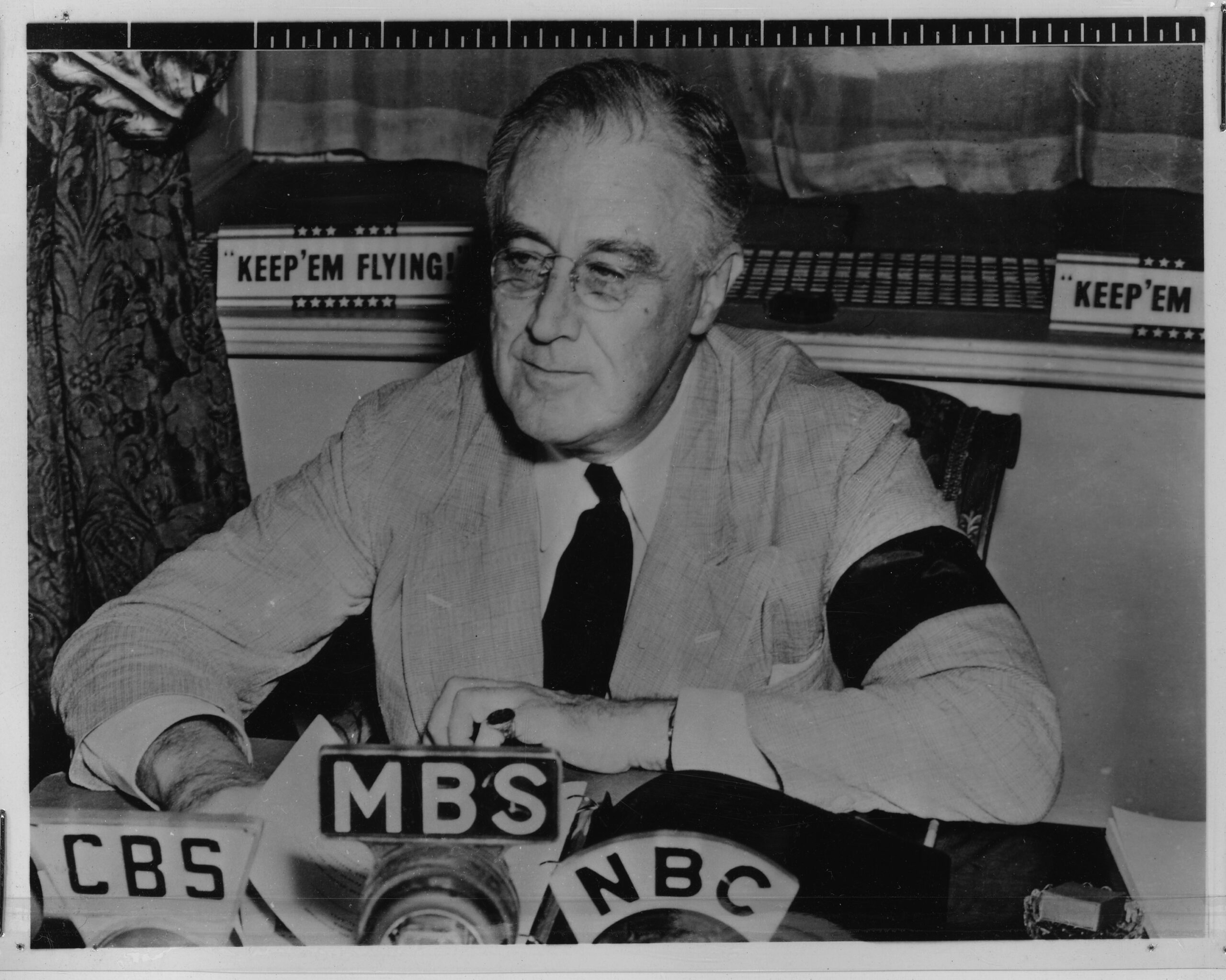
“America has been attacked, the shooting has started.”
was a statement made by Franklin Delano Roosevelt on October 27, 1941. This was ten days after a German U-boat attacked the USS Kearny.
In December of that year the U.S. declared war on Germany.
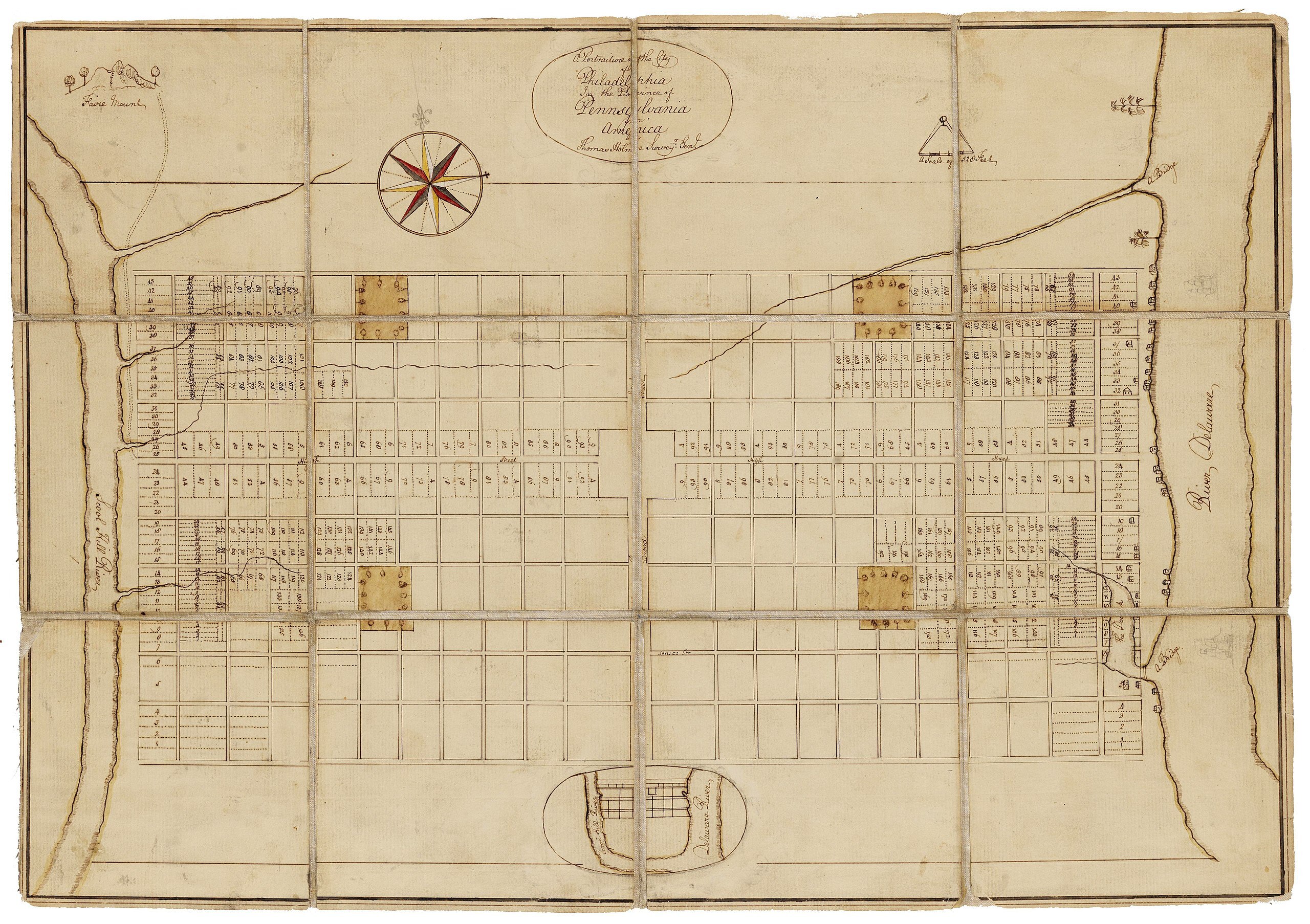
Thomas Holme’s Map of the Original City of Philadelphia
On October 27, 1682 the City of Philadelphia was founded. It was incorporated 19 years later.
Image via Wikimedia Commons, no known restrictions
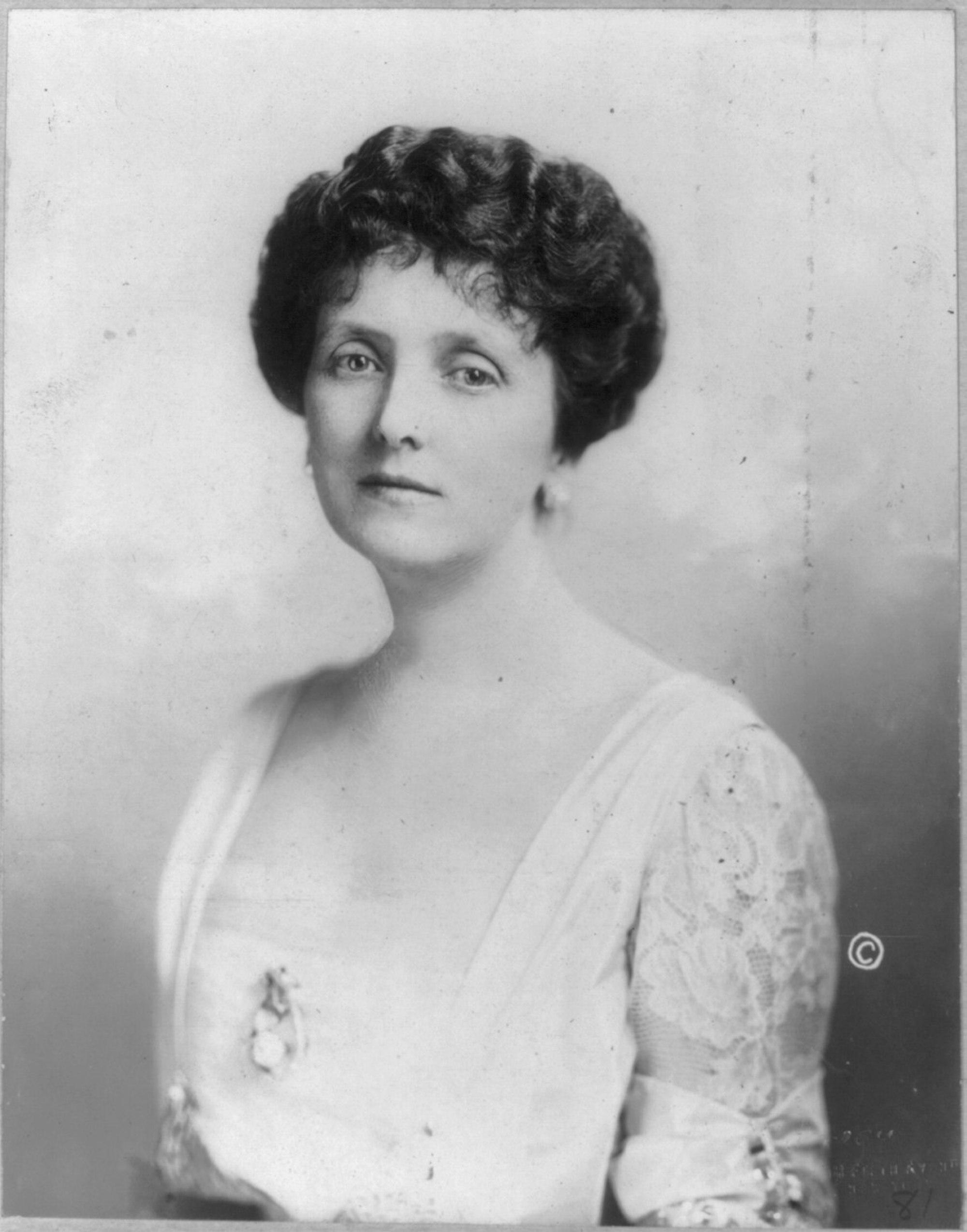
October 27, 1872 is believed to be the date when American author on social etiquette, Emily Post, was born in Baltimore, Maryland.
In 1922 she wrote her first book on etiquette called “Etiquette in Society, in Business, in Politics, and at Home”
Here is what she wrote on The Personality of a Handshake
“A handshake often creates a feeling of liking or of irritation between two strangers. Who does not dislike a “boneless” hand extended as though it were a spray of sea-weed, or a miniature boiled pudding? It is equally annoying to have one’s hand clutched aloft in grotesque affectation and shaken violently sideways, as though it were being used to clean a spot out of the atmosphere. What woman does not wince at the viselike grasp that cuts her rings into her flesh and temporarily paralyzes every finger?
The proper handshake is made briefly; but there should be a feeling of strength and warmth in the clasp, and, as in bowing, one should at the same time look into the countenance of the person whose hand one takes. In giving her hand to a foreigner, a married woman always relaxes her arm and fingers, as it is customary* for him to lift her hand to his lips. But by a relaxed hand is not meant a wet rag; a hand should have life even though it be passive. A woman should always allow a man who is only an acquaintance to shake her hand; she should never shake his. To a very old friend she gives a much firmer clasp, but he shakes her hand more than she shakes his. Younger women usually shake the hand of the older; or they both merely clasp hands, give them a dropping movement rather than a shake, and let go.”
via Internet Archive, source says work is not in copyright
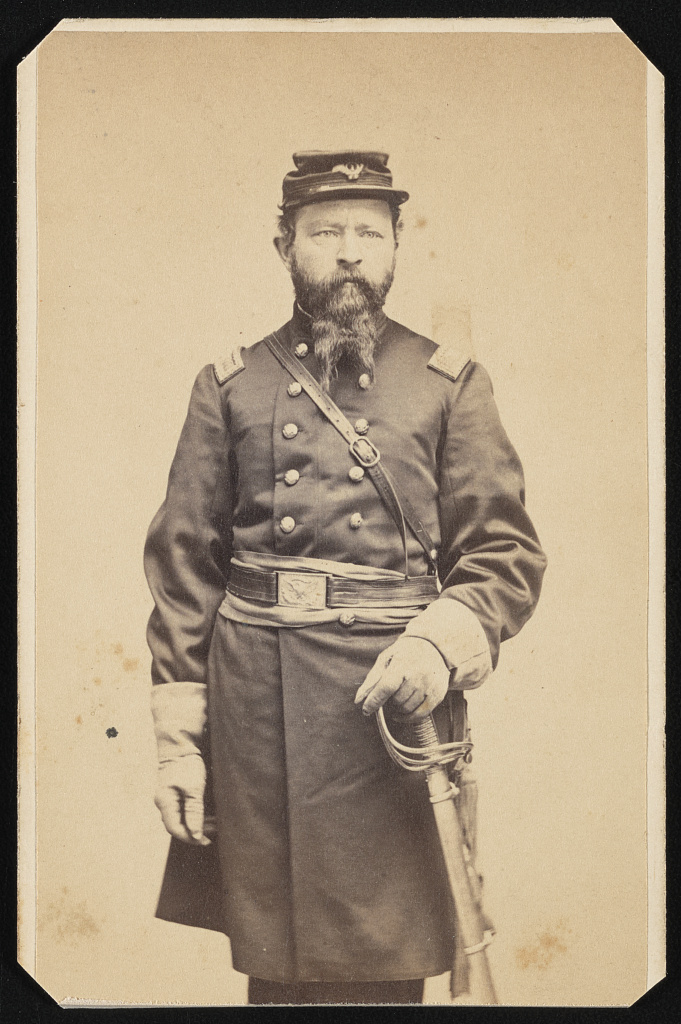
Brigadier General John Henry Holman of Co. I, 4th Missouri Infantry Regiment and 1st U.S. Colored Troops Infantry Regiment in uniform with sword. He was wounded on October 27, 1864 at Fair Oaks, Virginia.
via LOC, no known restrictions
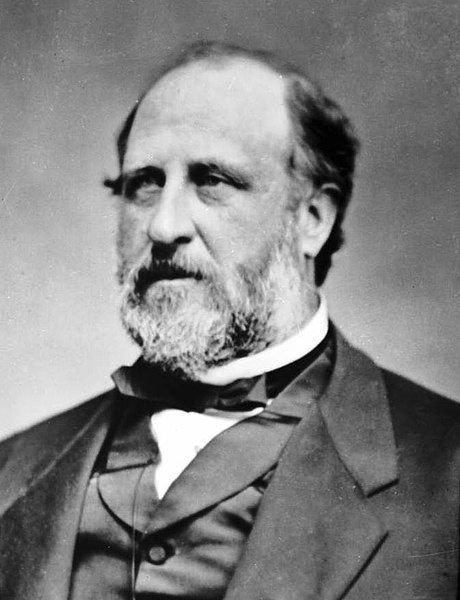
On October 27, 1871 William “Boss” Tweed, leader of New York’s Tammany Hall political machine was arrested on several charges of corruption. While Commissioner of Public Works Tweed and his cronies amassed many millions of dollars through development deals, kickbacks, and overcharges.
Image via Wikipedia Commons, public domain in the US.
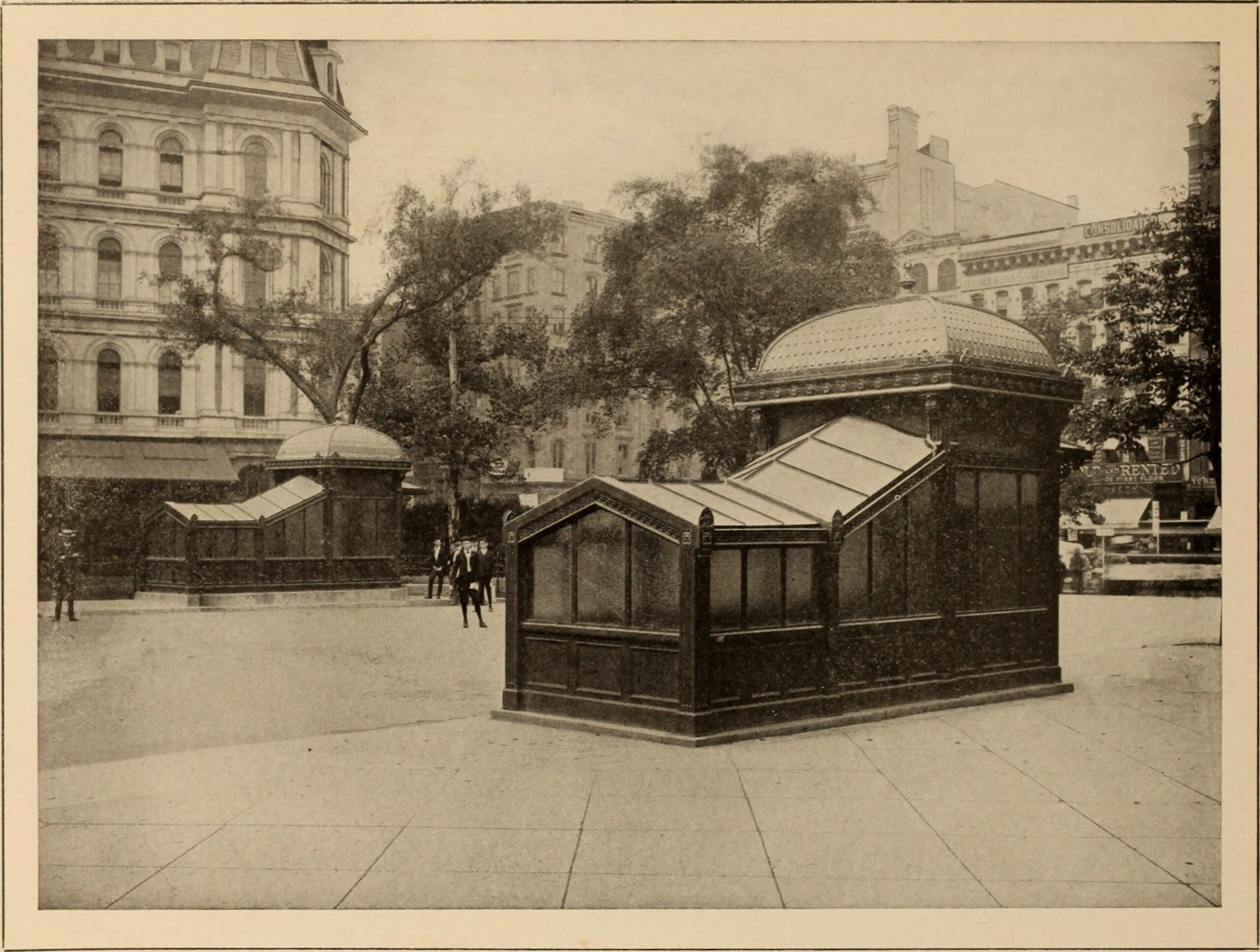
On October 27, 1904 the New York City Subway system was opened.
This image from a book from 1906 says: “The entrances and exits to the city’s underground rapid transit system are a new feature of the streets of the metropolis. They are substantially built and of pleasing design. The herculean undertaking was completed in 1904”
Image from LOC via Wikimedia Commons, public domain in the US.
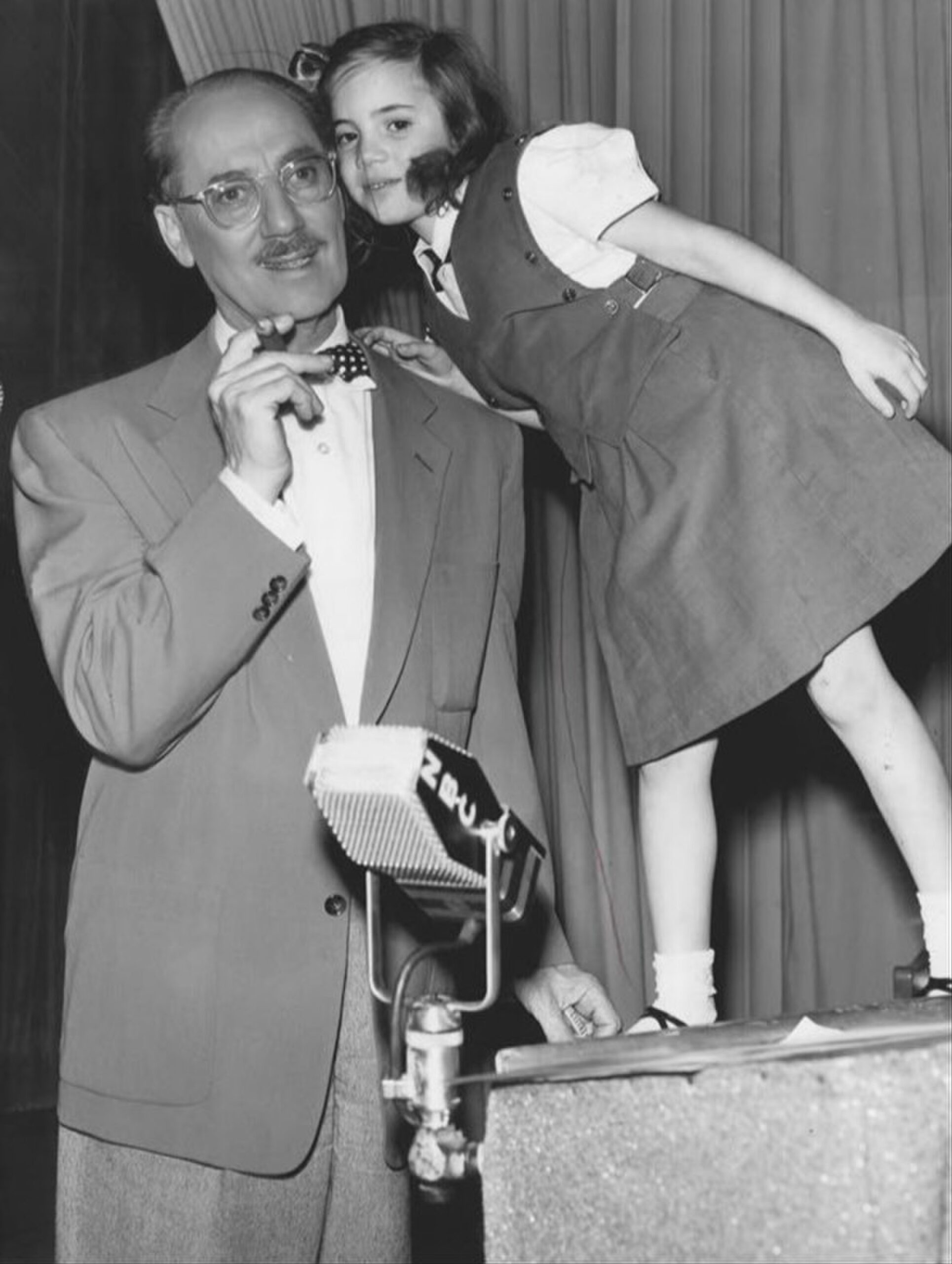
On October 27, 1947, “You Bet Your Life” hosted by Groucho Marx, debuted on network radio.
Photo of Groucho Marx with his daughter, Melinda, in the studio of You Bet Your Life. c. 1953
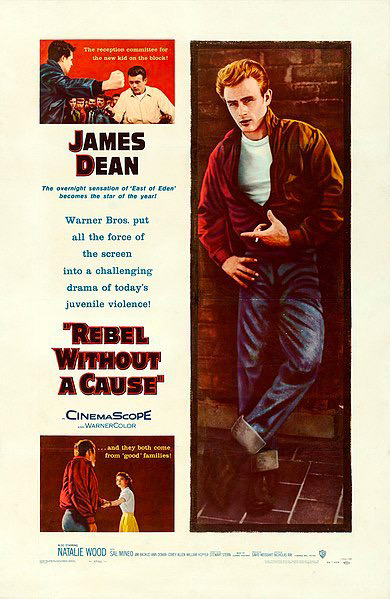
“Rebel Without a Cause” was released on October 27, 1955, almost a month after the film’s star, James Dean, was killed in a car crash. Several scenes in the film, like teens fighting with switchblade knives and racing stolen cars, were considered controversial.
Image via Wikimedia Commons, copyright not renewed public domain in the US.
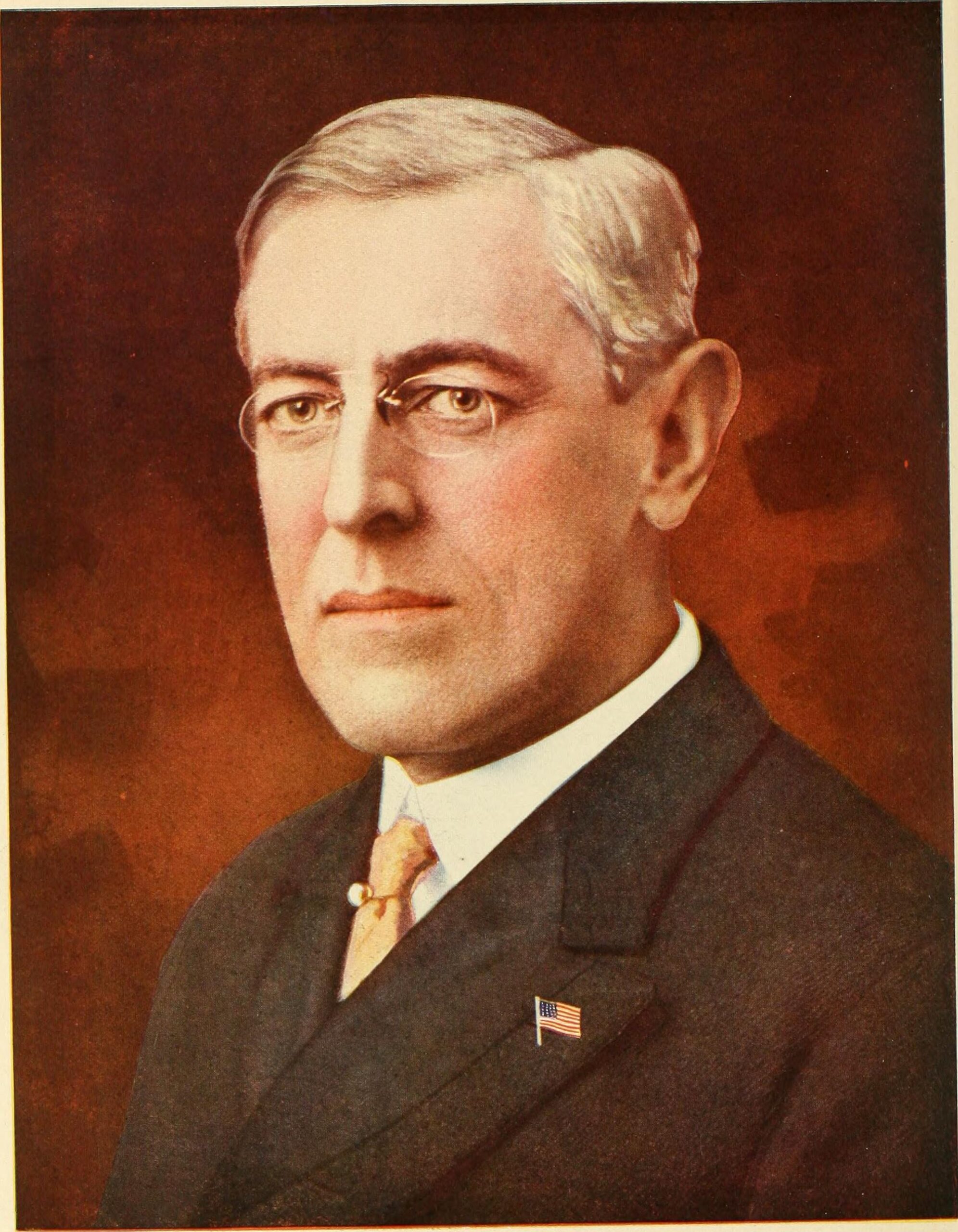
“…the United States will never again seek one additional foot of territory by conquest. She will devote herself to showing that she knows how to make an honorable and fruitful use of the territory she has.”
President Woodrow Wilson during a speech he made in Mobile, Alabama on October 27, 1913
Portrait via Wikimedia Commons, public domain
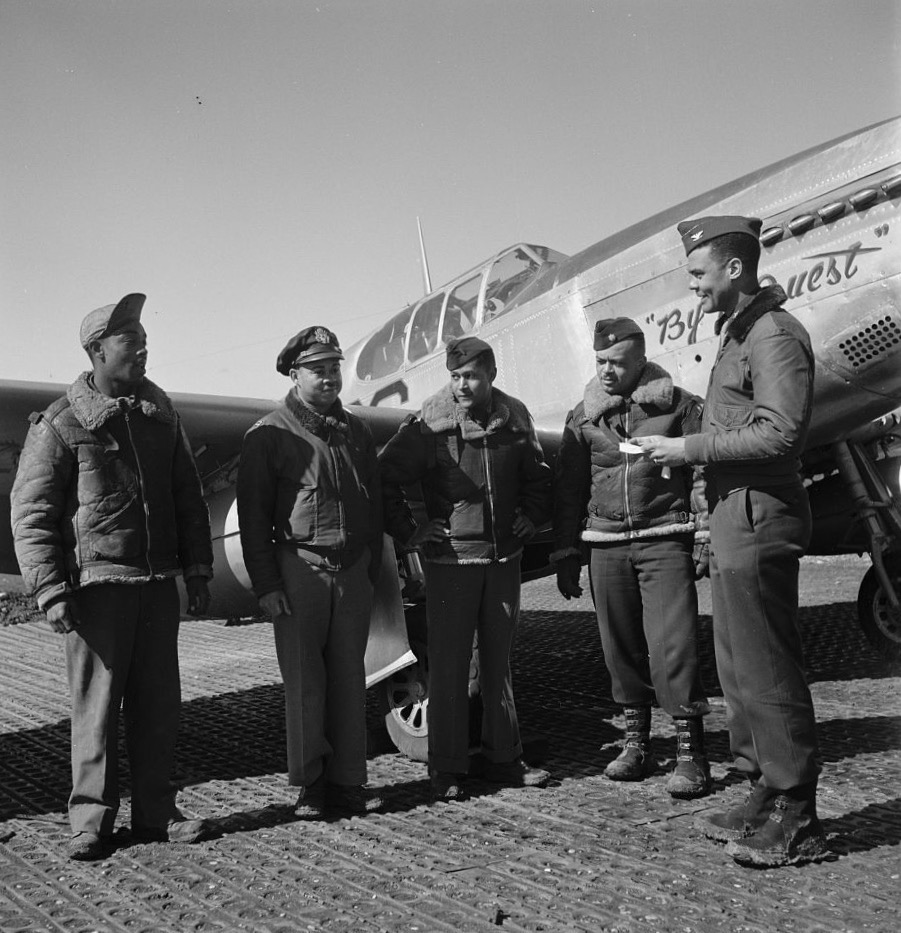
Benjamin O. Davis, Jr., son of the first Black general officer in the US Army became the first Black Air Force general on October 27, 1954. He’s shown here (far right) in March, 1945 when he commanded several units of Tuskegee Airmen, most notably the “Red Tails” of the 332nd Fighter Group.
Image from LOC via Wikimedia Commons, public domain in the US.
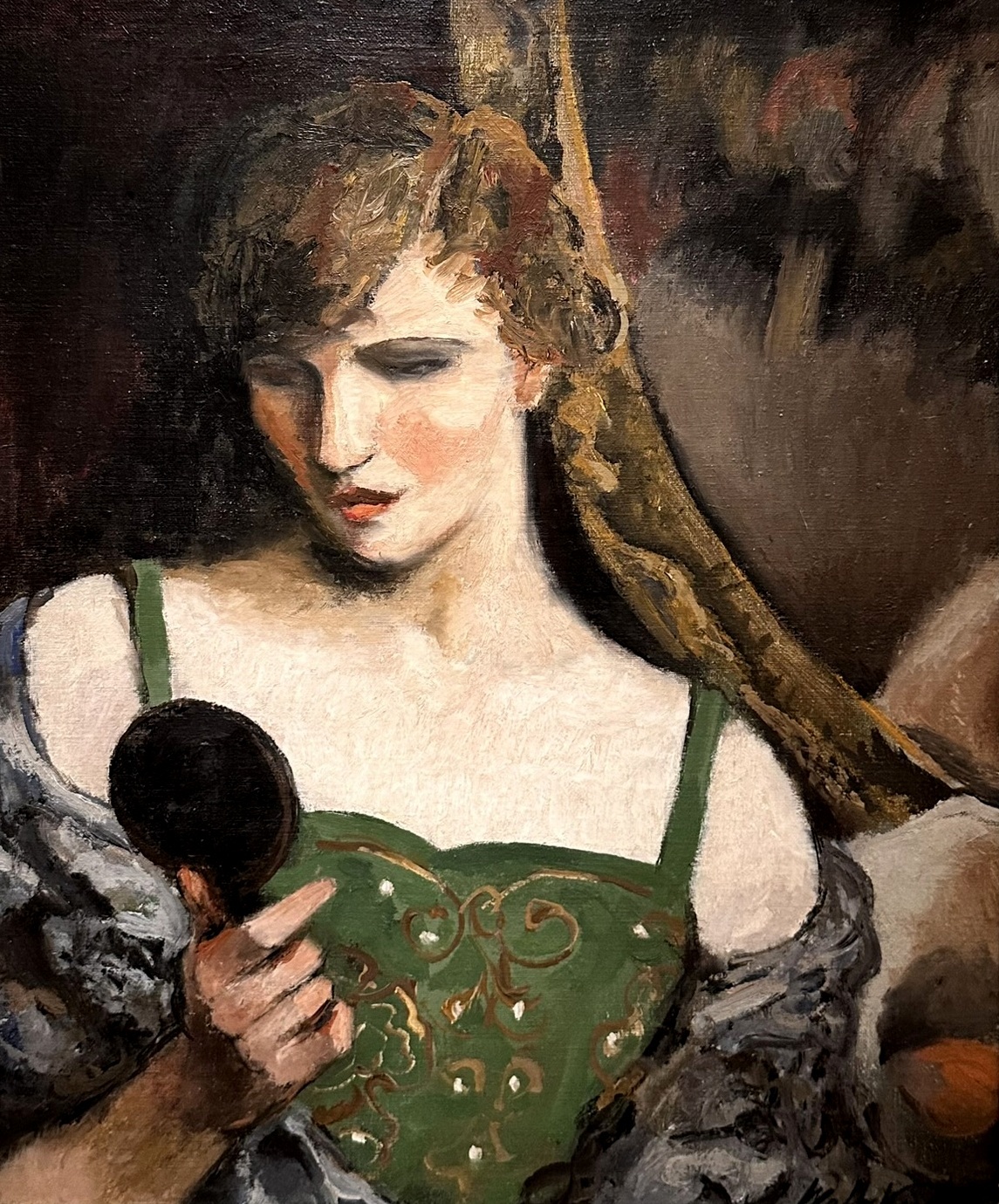
Girl with Mirror
by American artist Walt Kuhn who was born on October 27, 1877 in New York City.
Painting from 1928 via Wikimedia Commons, public domain
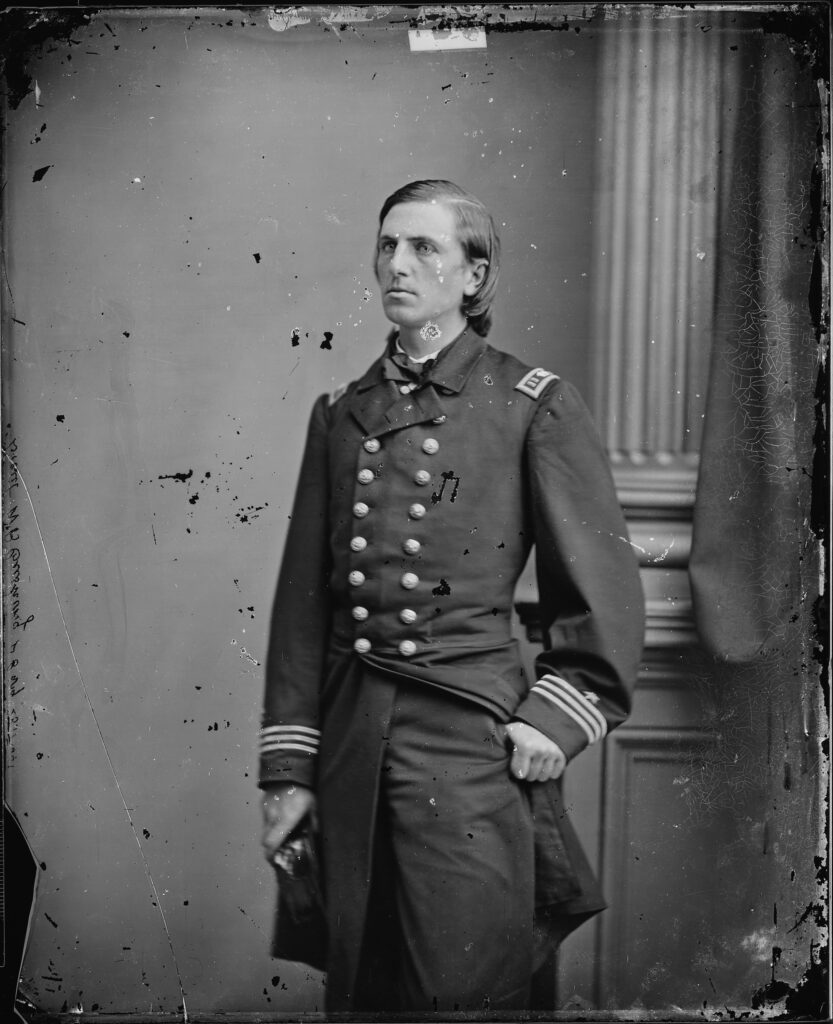
The Civil War SEAL
William Barker Cushing was born in 1842 in Delafield, Wisconsin, and entered the U.S. Naval Academy as a teenager—only to be expelled for mischief and insubordination. When the Civil War erupted, he petitioned the Navy for another chance and quickly proved himself one of the most daring officers in American maritime history. Cushing specialized in missions no one else wanted: nighttime reconnaissance, small‑boat raids, and deep‑penetration strikes along Confederate rivers and harbors. His audacity culminated on the night of October 27, 1864, when he led a hand‑picked crew upriver in a tiny steam launch to attack the Confederate ironclad CSS Albemarle. Under heavy fire, Cushing rammed a spar torpedo into the ironclad’s hull and detonated it at point‑blank range. Shouting ‘Sink or swim!’ as he dove into the black water to escape, he swam through the Roanoke River alone in the dark. The Albemarle sank, and Cushing emerged as a national hero.
Historians often call Cushing a forerunner of the Navy SEALs. His operations mirror the DNA of modern Naval Special Warfare: stealth insertion, littoral infiltration, and precision sabotage. Long before the Navy formalized these units in the 1940s and 60s, Cushing was proving that a small, hand‑selected team armed with improvisation and absolute nerve could neutralize a capital ship. In an era dominated by massive ironclads, he showed that a single determined officer in a small boat could alter the course of a campaign—an insight that remains the bedrock of special operations today.
