
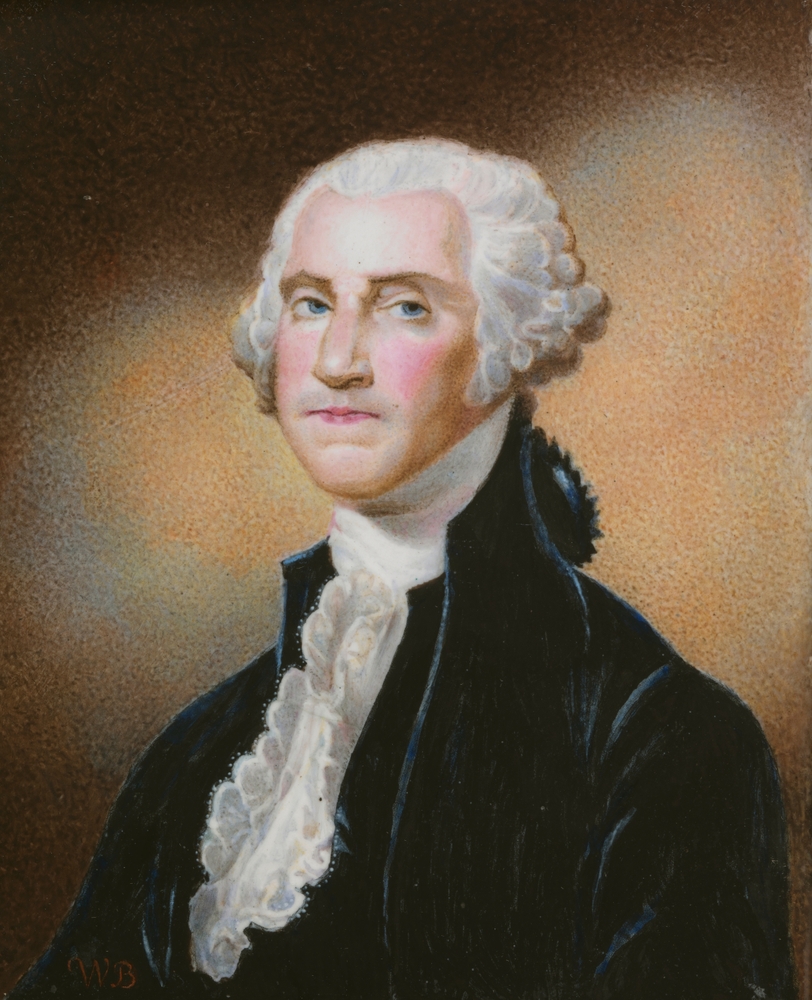
On June 11, 1783, as the American Revolutionary War drew to a close, a weary Continental Congress read and debated a profoundly significant circular letter sent by General George Washington to the governors of all thirteen states. With the formal disbandment of the army looming, Washington used his immense influence to outline four pillars he deemed absolutely essential to the survival of the fragile new republic. He passionately argued for an indissoluble union under a single federal head, a sacred commitment to public justice, a proper peacetime military establishment, and a harmonious disposition among citizens to sacrifice local prejudices for the national good.
This letter, often referred to by historians as Washington’s Resignation Document, was written at a time when the states were deeply divided by regional trade disputes, heavy war debts, and a weak central government under the Articles of Confederation. Washington correctly foresaw that without a shared commitment to federal unity and mutual concession, the independent states would fracture into small, warring factions ripe for European reconquest. His words served as an urgent philosophical warning that winning independence on the battlefield was meaningless if Americans lacked the civic virtue required to govern themselves as one people.
