
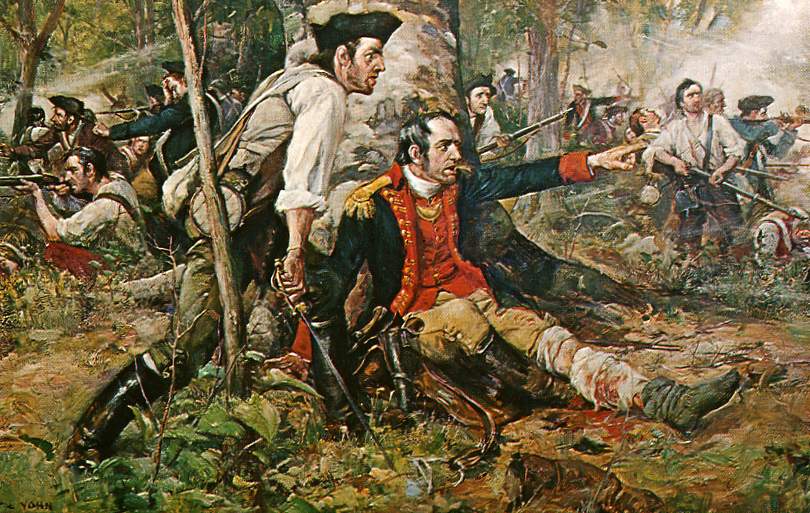
The ravine at Oriskany ran red with the blood of neighbors turned enemies on August 6, 1777, when General Nicholas Herkimer’s militia walked into a devastating, claustrophobic ambush by English and Native American forces. In the opening volleys of the battle, a musket ball shattered Herkimer’s leg and killed his horse, threatening to send his men into a panicked retreat. Refusing to be carried from the field or succumb to the blinding pain, the old general ordered his men to prop him up against the roots of a large beech tree. There, with a calm that defied the surrounding slaughter, he lit his pipe and continued to shout clear, strategic orders through the smoke and chaos.
This dramatic moment transcends standard military strategy, revealing the raw, beating heart of colonial resolve. By choosing to face his mortality beneath the forest canopy rather than abandon his command, Herkimer injected an unbreakable courage into his faltering troops. His stubborn defiance transformed a potential massacre into a desperate, crucial stand that disrupted British operations in New York. The image of the pipe-smoking general beneath the tree remains an enduring symbol of the heavy, agonizing price paid for American independence.
