
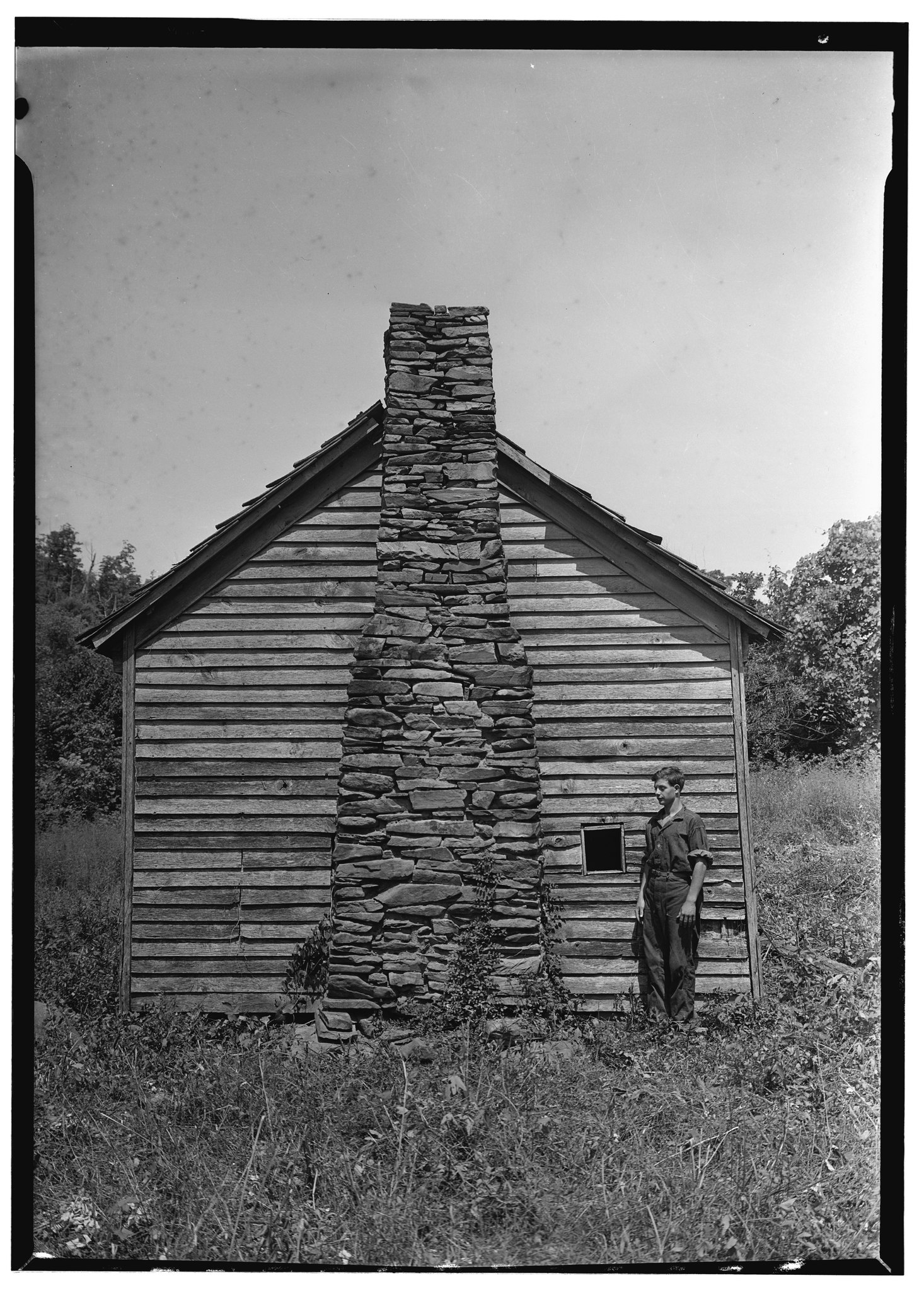
By August 6, 1935, the laughter of nine children and the rhythmic sounds of daily farm life had completely vanished from the rugged Roaring Fork Trail, replaced by the quiet, creeping green of the Appalachian wilderness. For forty years, Ephraim and Minerva “Nervy” Bales had painstakingly carved an existence out of this rocky soil, raising a vibrant family inside their hand-hewn dog-trot cabin. Yet, the very beauty of the land that sustained them ultimately led to their displacement. The creation of the Great Smoky Mountains National Park transformed their generational sanctuary into a public wilderness, trading a family’s heritage for a federal conservation map.
Though the government provided modest financial compensation, no ledger could ever truly calculate the emotional value of the timber they felled, the soil they turned, or the roots they planted. Nervy’s departure marked the end of an era of deep, self-reliant mountain living. Today, the weathered cabin still stands as a beautifully melancholic ghost along the motor trail. It offers hikers and travelers a quiet place to reflect on the hidden human cost of the beautiful parks we cherish today.