
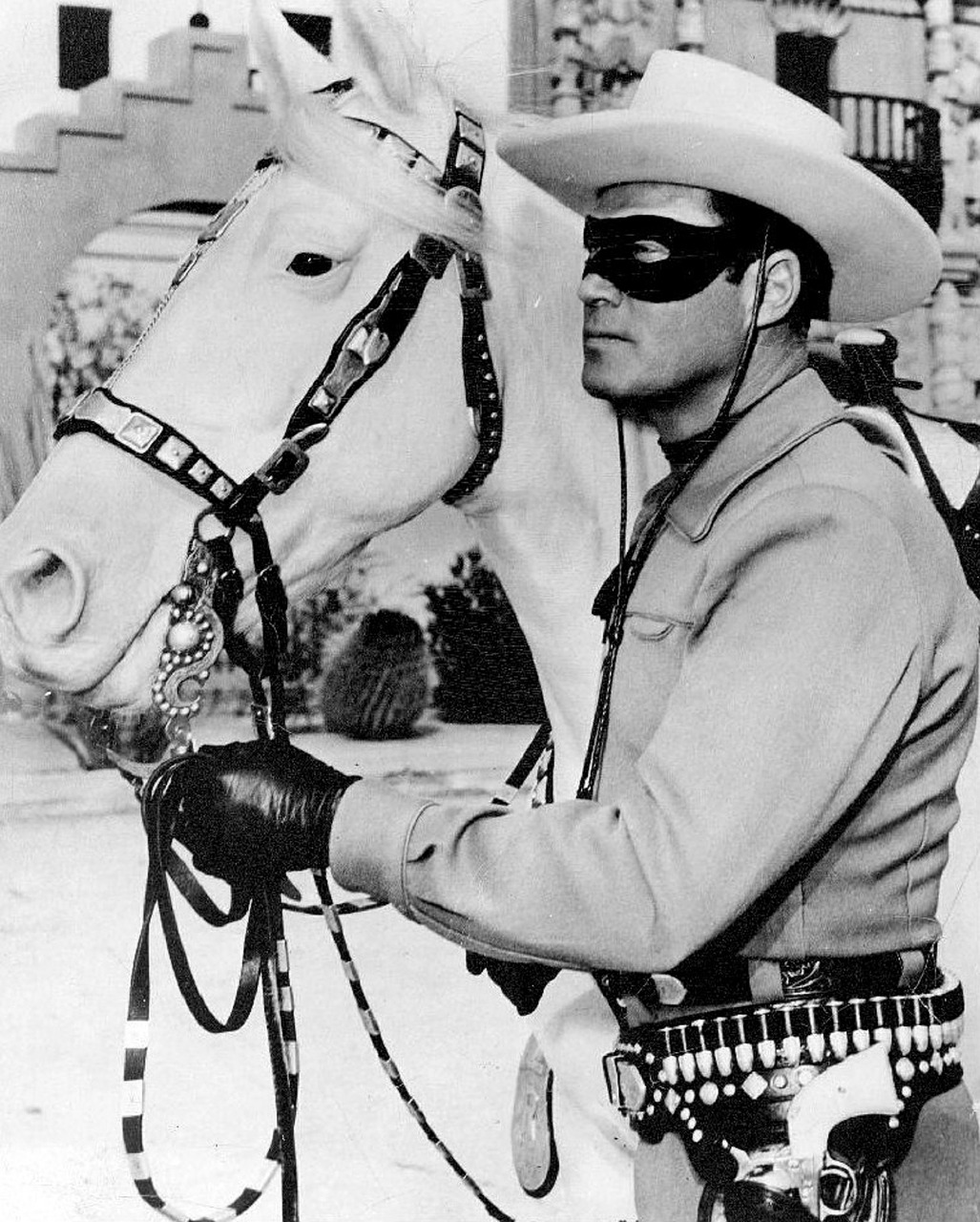
On September 3, 1954, an era in American entertainment history concluded when the final original radio episode of The Lone Ranger was broadcast to millions of listeners nationwide. The groundbreaking audio program had run continuously for 21 spectacular years, producing nearly 3,000 episodes filled with the iconic hoofbeats of the great horse Silver and the familiar strains of the William Tell Overture. The show had evolved from a regional Detroit broadcast into a massive, national cultural institution that defined the mythology of the American West for a generation.
The program was a true pioneer of early media syndication, creating the modern blueprint for character merchandising, comic book spin-offs, and mass-market children’s programming. The Lone Ranger’s strict moral code—he never smoked, swore, or shot to kill—shaped the values of millions of young Americans growing up during the Great Depression and World War II. The show’s unique audio techniques, using complex sound effect layers to simulate galloping horses and ricocheting bullets, revolutionized radio production.
The fascinating, hidden reality behind this final 1954 radio broadcast is that it marked the definitive corporate surrender of old-time radio to the explosive rise of household television. While the radio actors were recording their final scripts in the studio, a completely separate, visually polished television version of The Lone Rangerstarring Clayton Moore was already dominating the evening network ratings. The radio program was canceled not due to a lack of popularity, but because advertisers abandoned the audio medium en masse to capture the visual attention of the modern American living room.
