
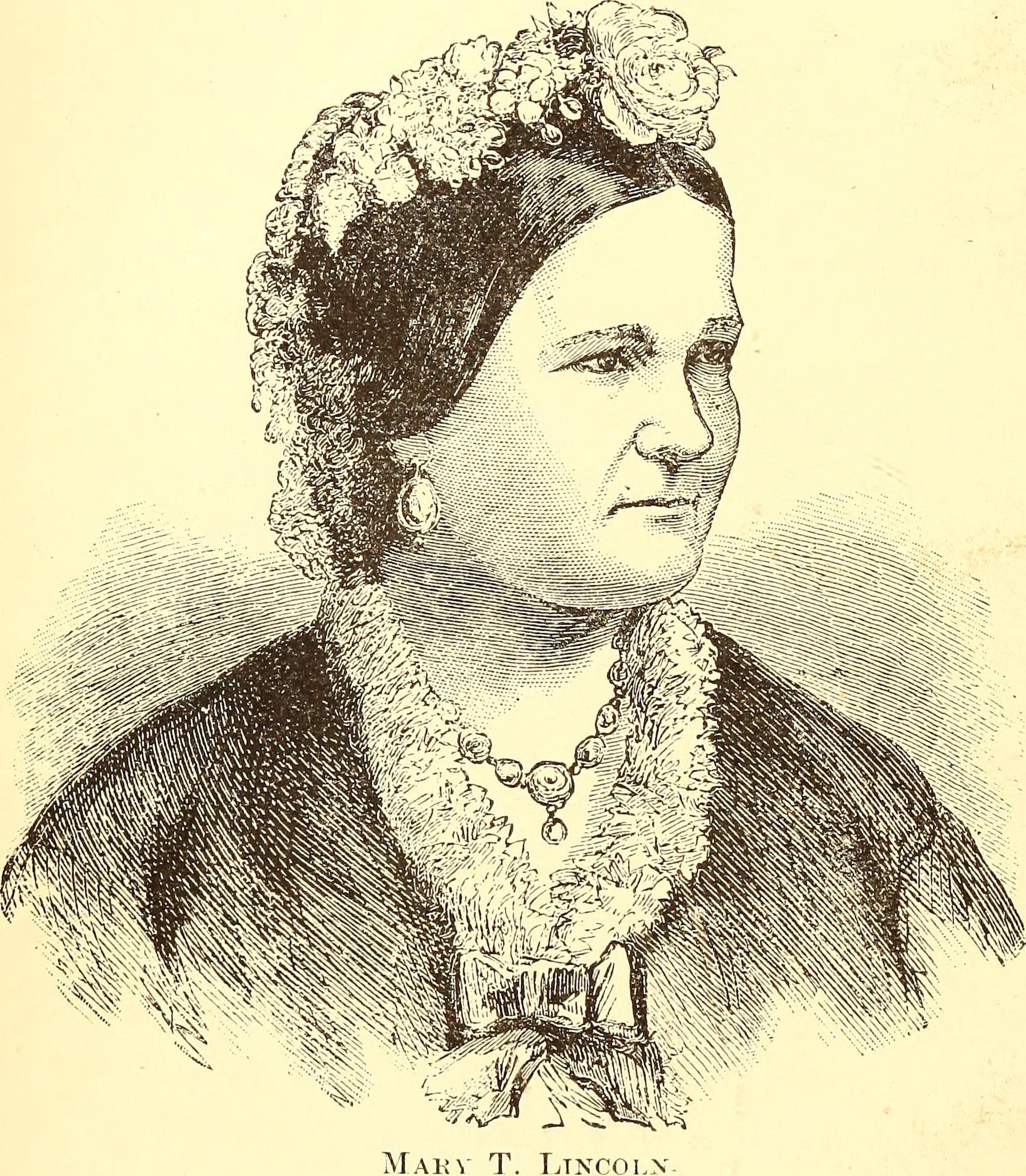
Springfield, Illinois, September 3, 1856. Fourteen years into her marriage, Mary Todd Lincoln entered John Williams & Co., Springfield’s leading dry-goods store, and selected a bonnet, ribbon, silk, shoes, slippers, and combs. The items were charged to her husband’s account: $8.77—roughly $334 in today’s currency, depending on the conversion method used.
It was a meaningful sum, not simply for the goods themselves but for what they represented. In mid-nineteenth-century Springfield, a woman’s appearance was a form of public communication. Social etiquette demanded refinement, and Mary’s purchases reflected the often-unseen work of status: maintaining her family’s respectability, supporting her husband’s public standing, and preserving her own dignity.
The merchant behind the counter, John Williams, was more than a shopkeeper. Through investments in railroads, his role in Springfield’s commercial life, and service as the city’s first bank president, he helped shape the civic infrastructure of a growing town. His ledgers recorded more than purchases; they preserved traces of the households whose credit, reputation, and social position were bound together within Springfield’s community.
This is Lincoln as husband, rather than Lincoln as statesman. It is also Mary Lincoln as an active participant in the work of public life—carefully managing the household’s visible identity while navigating the expectations placed on a rising political family.
Image via Wikimedia Commons, public domain
