
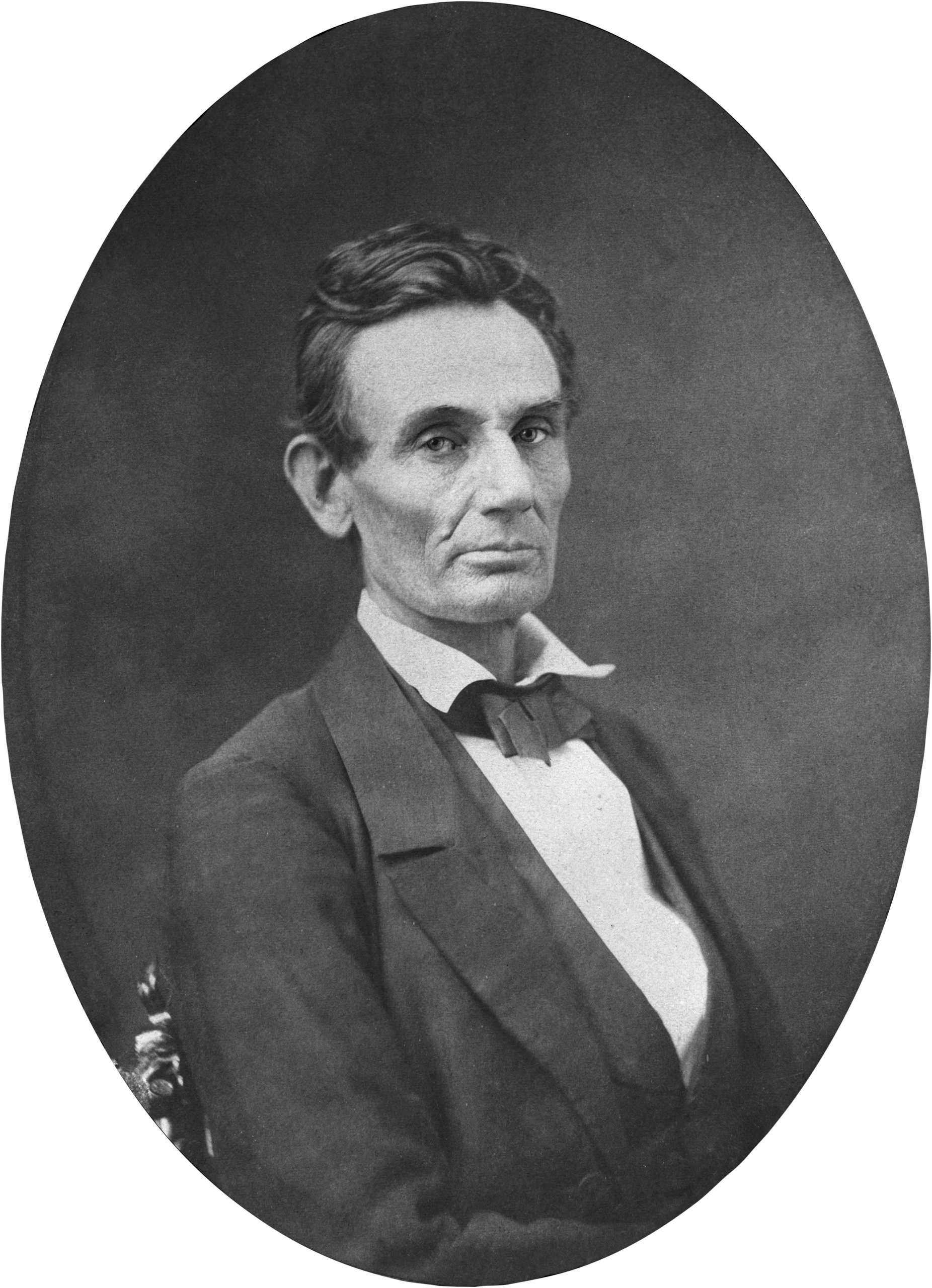
On October 4, 1859, photographer Samuel M. Fassett made this portrait of Abraham Lincoln at the Cooke and Fassett gallery in Chicago. Taken after the 1858 Lincoln–Douglas debates and a little more than a year before Lincoln’s election to the presidency, it records the Illinois lawyer and Republican leader at a pivotal stage in his rise to national prominence. The date, place, and attribution are supported by major institutional collections, including the Library of Congress and the Smithsonian’s National Portrait Gallery.
The photograph presents Lincoln clean-shaven, before the beard that would become part of his presidential image. Its directness—Lincoln’s angular features, deep-set eyes, and serious expression—helps explain its lasting appeal. According to an account associated with Fassett’s studio, Mary Lincoln considered it the best likeness she had seen of her husband.
The portrait should be understood as an important pre-presidential image rather than as Lincoln’s first widely seen likeness. He had been photographed before, and numerous photographs, engravings, lithographs, and campaign prints helped construct his national public image in 1860. Still, Fassett’s portrait is a compelling example of the growing role photography played in documenting—and helping shape—the public identity of nineteenth-century political figures.
Image credit: Samuel M. Fassett, Abraham Lincoln, October 4, 1859. Public domain. Courtesy of the Library of Congress.
Recommended products
-
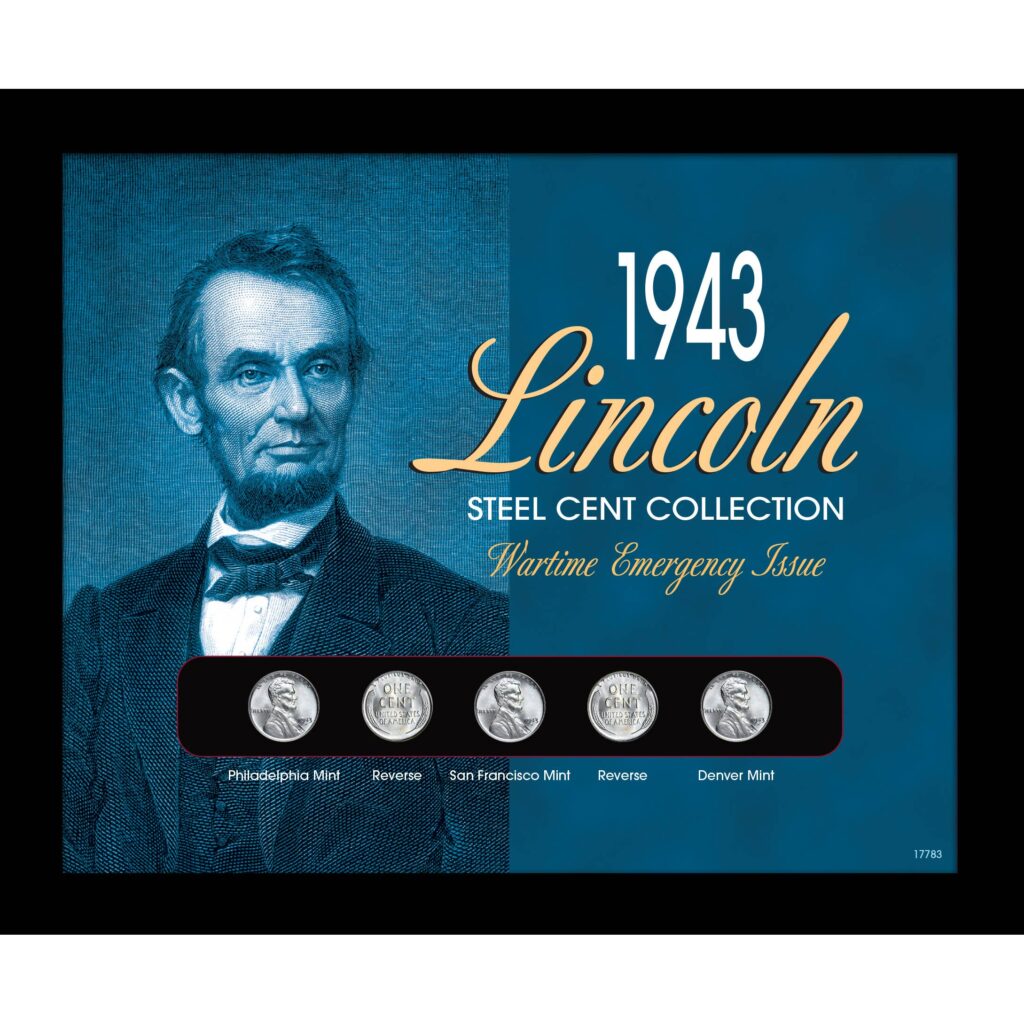
1943 Lincoln Steel Penny Collection Wartime Emergency Issue
$39.99 -
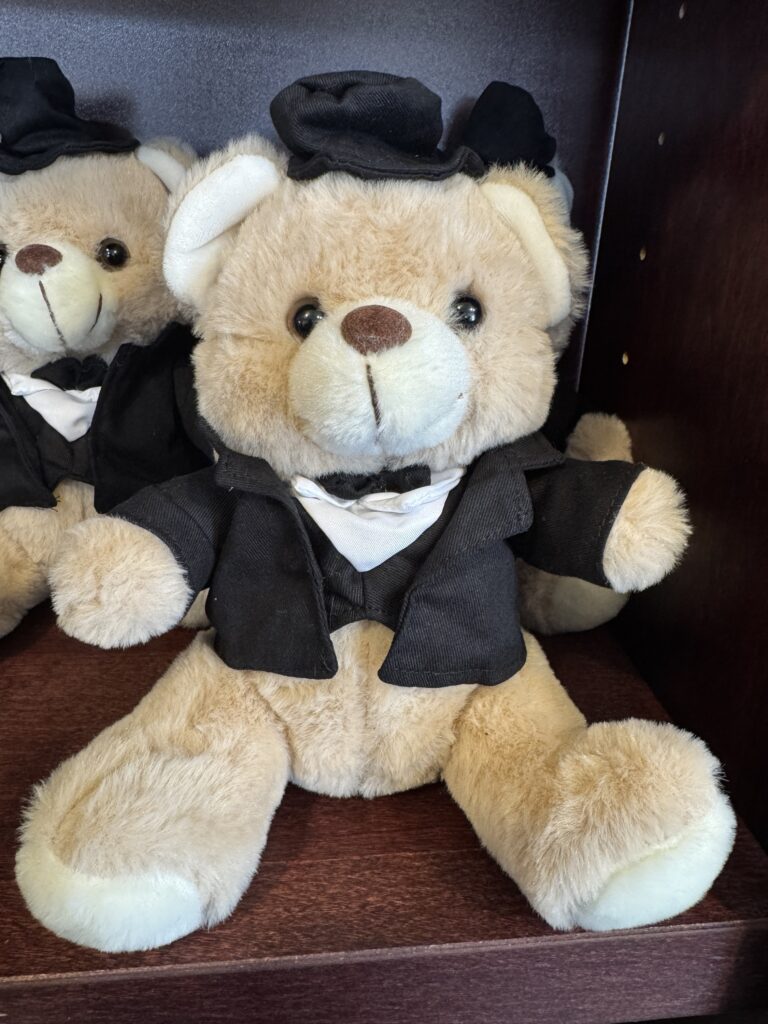
A-Bear-ham Lincoln
$18.99 -
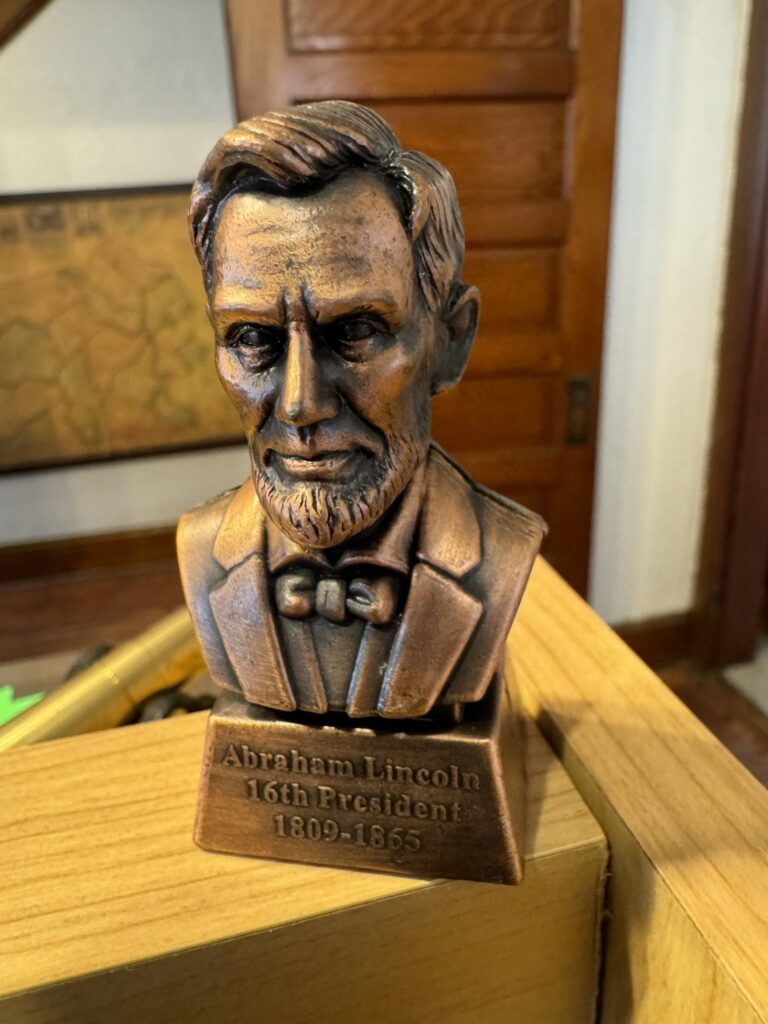
Abraham Lincoln (Bust) Pencil Sharpener
$6.95 -
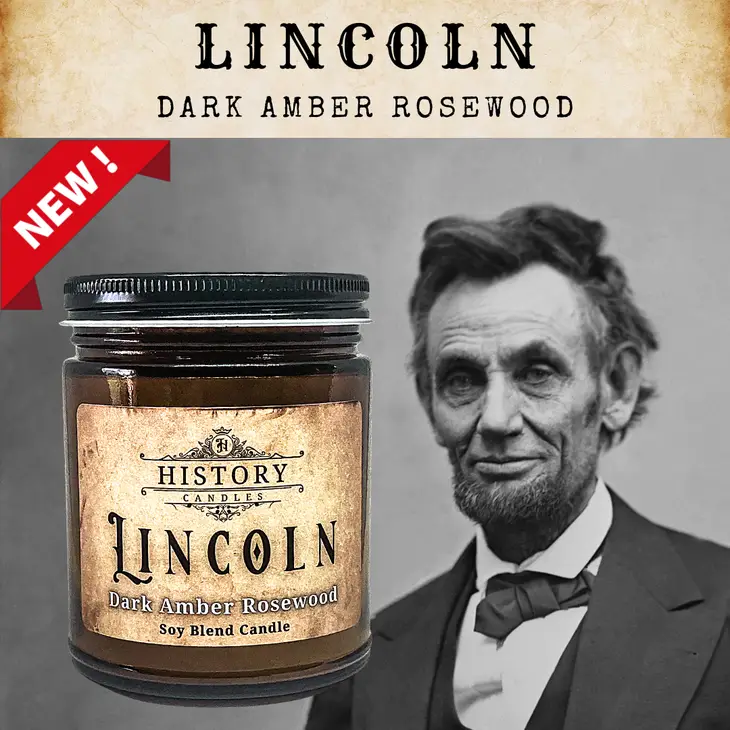
Abraham Lincoln History Candle
$18.00 -
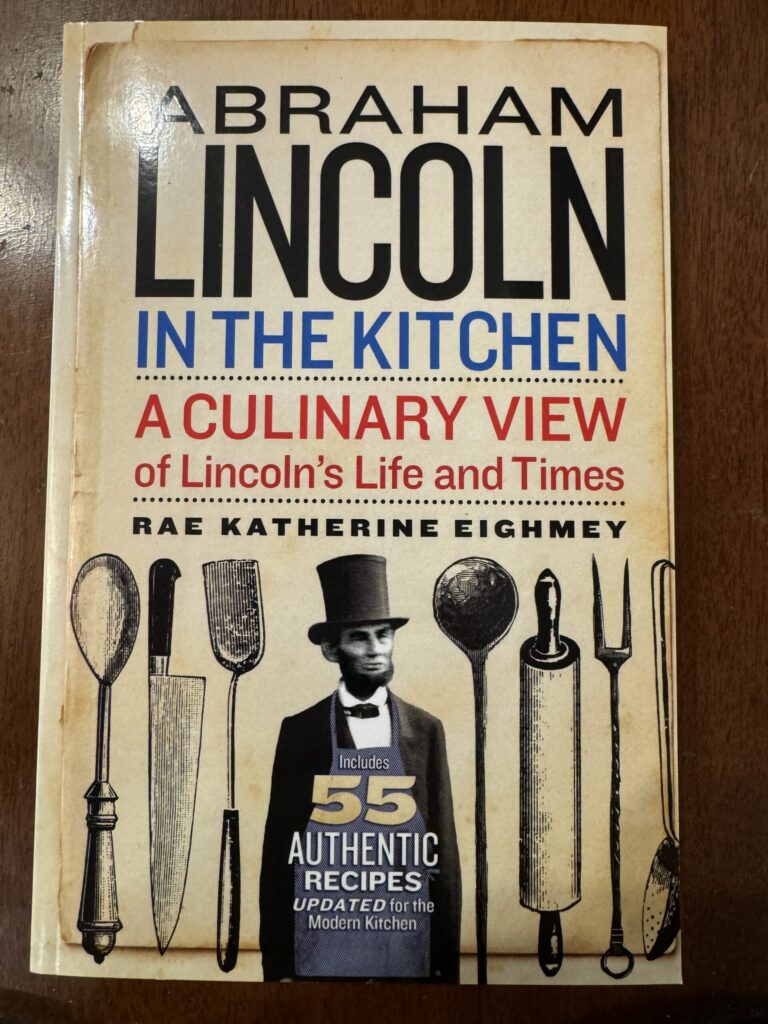
Abraham Lincoln In The Kitchen
$17.95 -
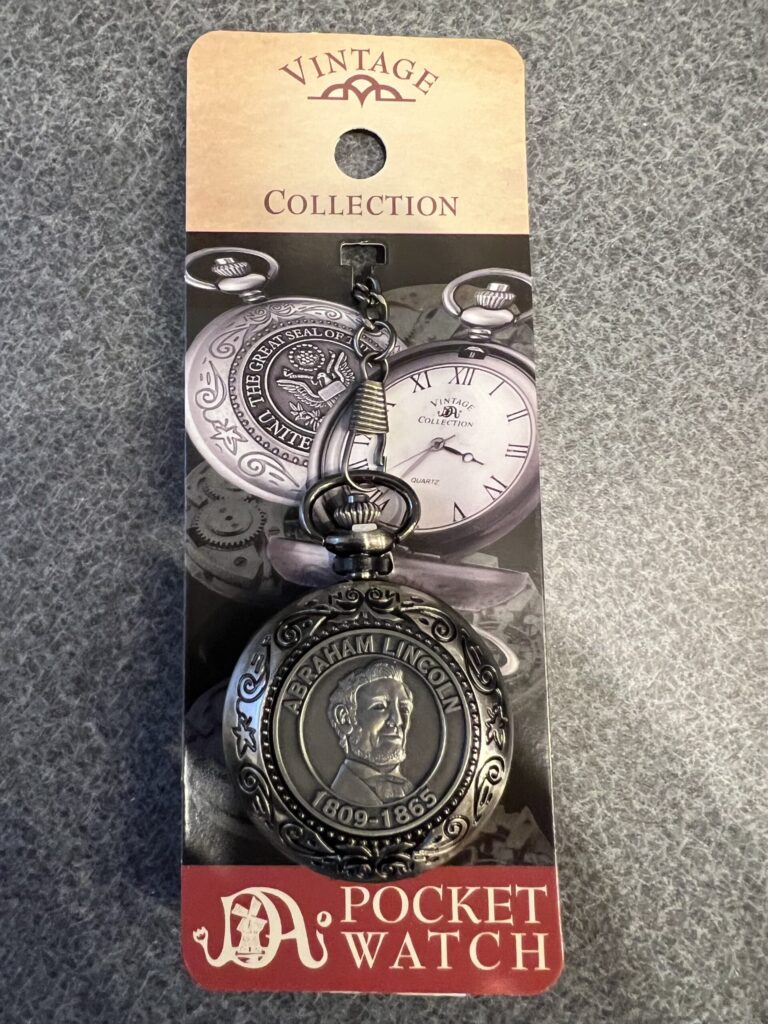
Abraham Lincoln Pocket Watch
$21.99 -
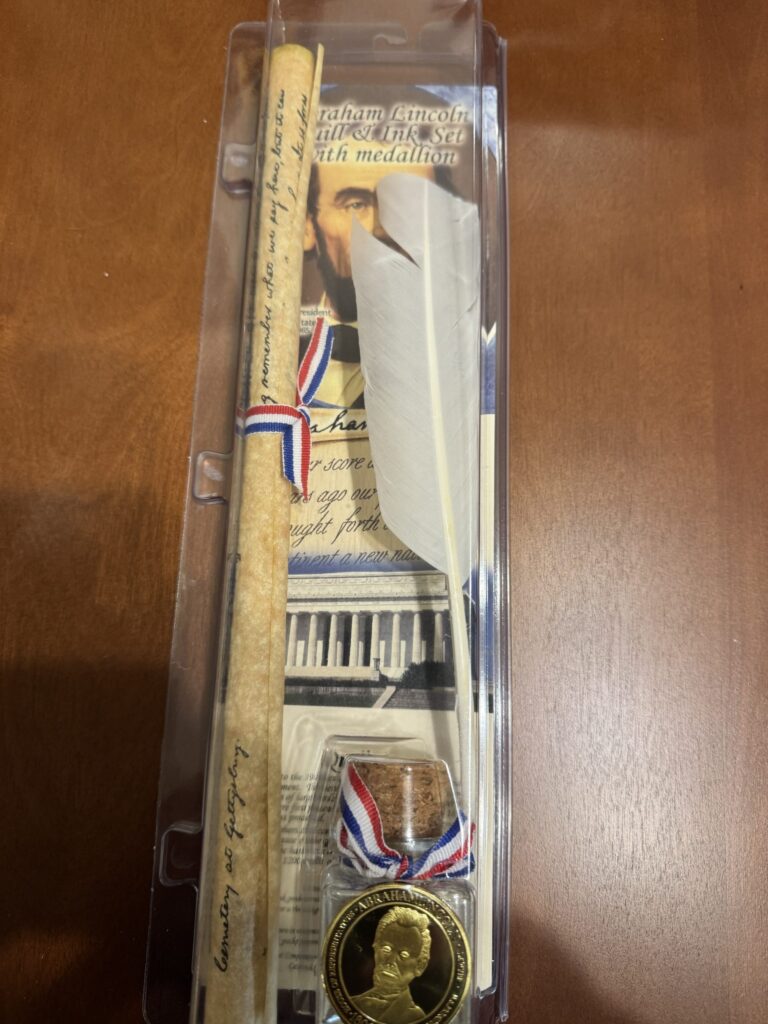
Abraham Lincoln Quill, Ink well & Coin Set
$13.99 -
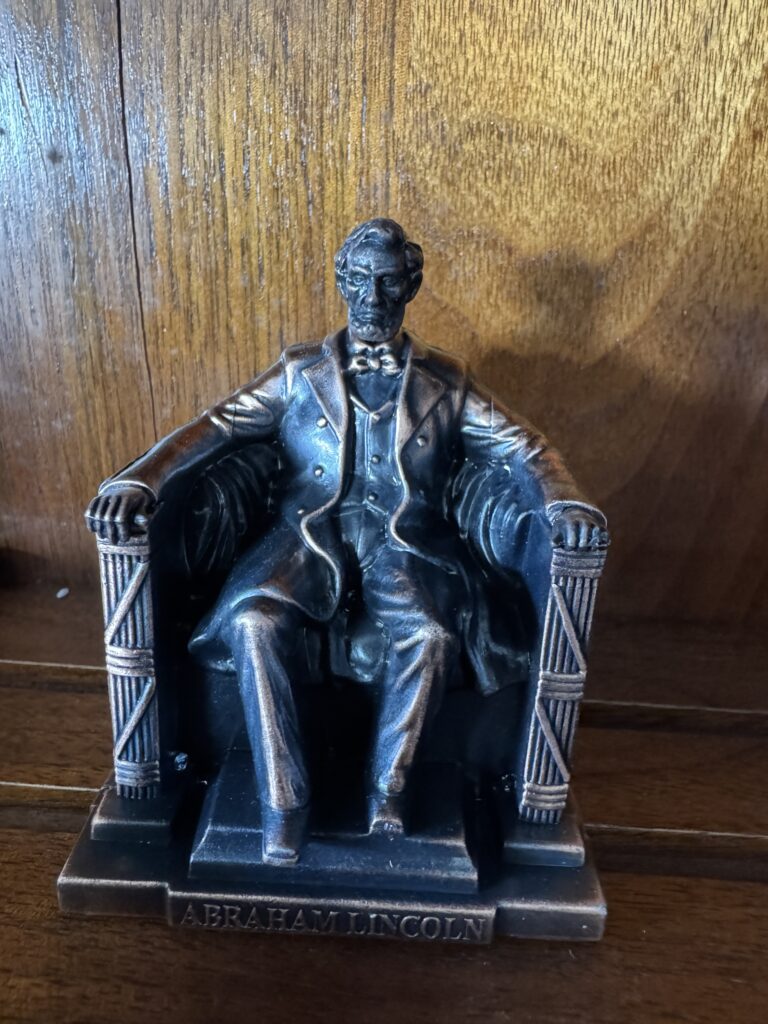
Abraham Lincoln seated (Lincoln Memorial statue) Pencil Sharpener
$7.49 -
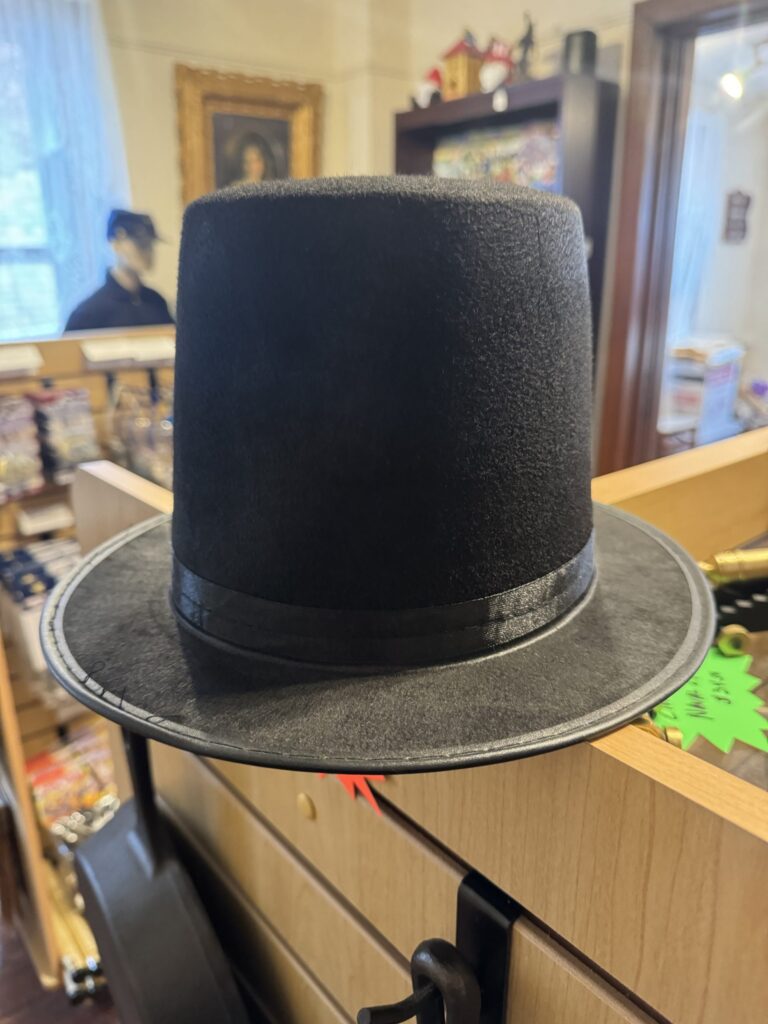
Abraham Lincoln Top Hat – (Costume)
Price range: $0.00 through $9.50
