- The President’s Parade
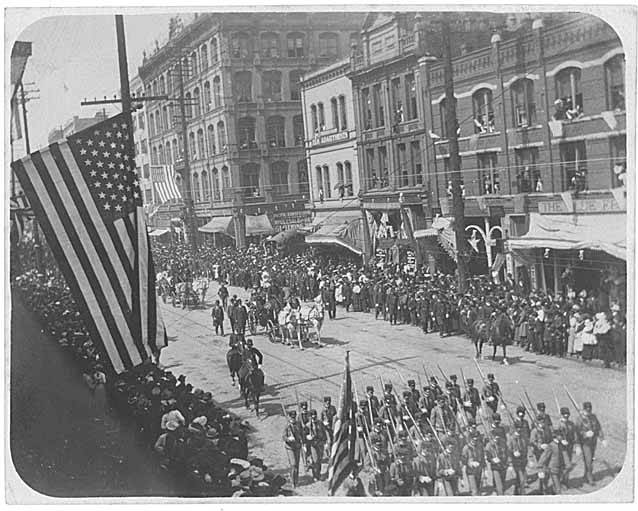
Theodore Roosevelt’s presidential visit, Seattle, May 23, 1903. Crowds packed rooftops, windows, and every inch of the streets to watch Roosevelt’s parade wind through downtown Seattle during his historic Western tour. The President arrived by ship that morning and was greeted by cheering crowds, decorated streets, and a tightly choreographed civic celebration. His 1903 tour was one of the most ambitious undertaken by a sitting president, covering 25 states and more than 14,000 miles — a logistical feat that showcased the growing national fascination with Roosevelt’s energetic leadership.
- The Canada Strategy
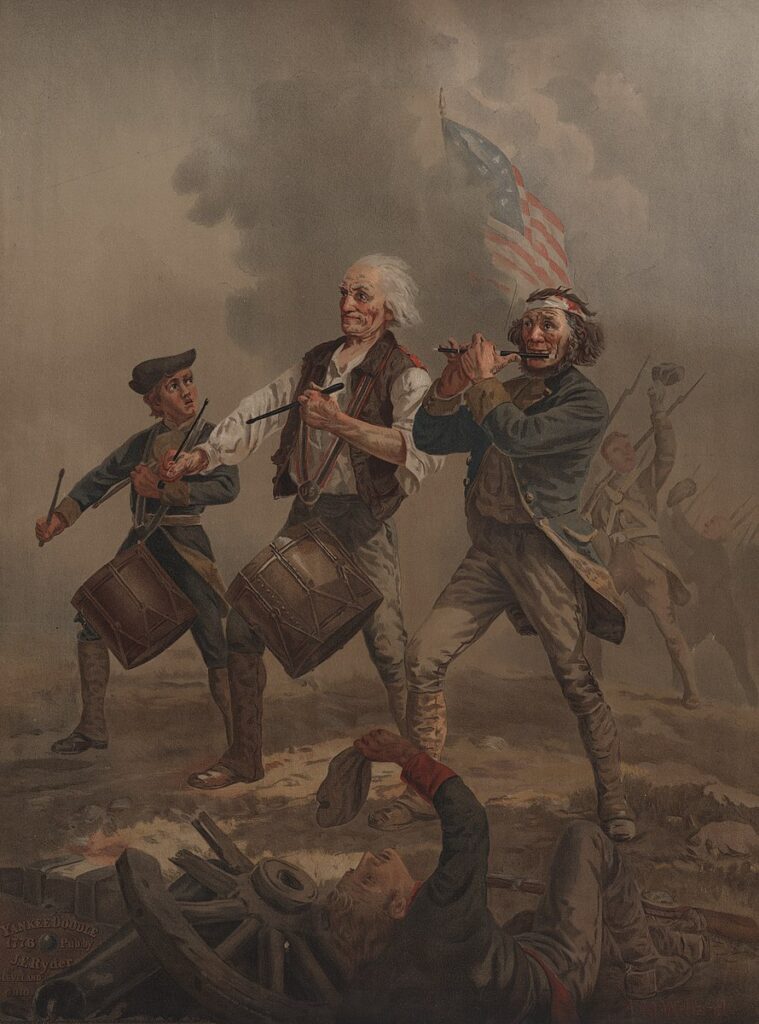
On May 23, 1776, the Continental Congress appointed a committee — including Benjamin Harrison, Richard Henry Lee, John Adams, James Wilson, and Edward Rutledge — to consult with General Washington and his officers about the deteriorating situation in Canada. Earlier that spring, Congress had already sent Benjamin Franklin, Samuel Chase, and Charles Carroll north in a last‑ditch effort to persuade Canadians to join the American cause. The mission failed for political and cultural reasons, and by late May the American invasion was collapsing. The committee’s task was to coordinate a withdrawal and prevent the disaster in Canada from spreading to the northern frontier.
- Fulfilling an Uncanny Wish
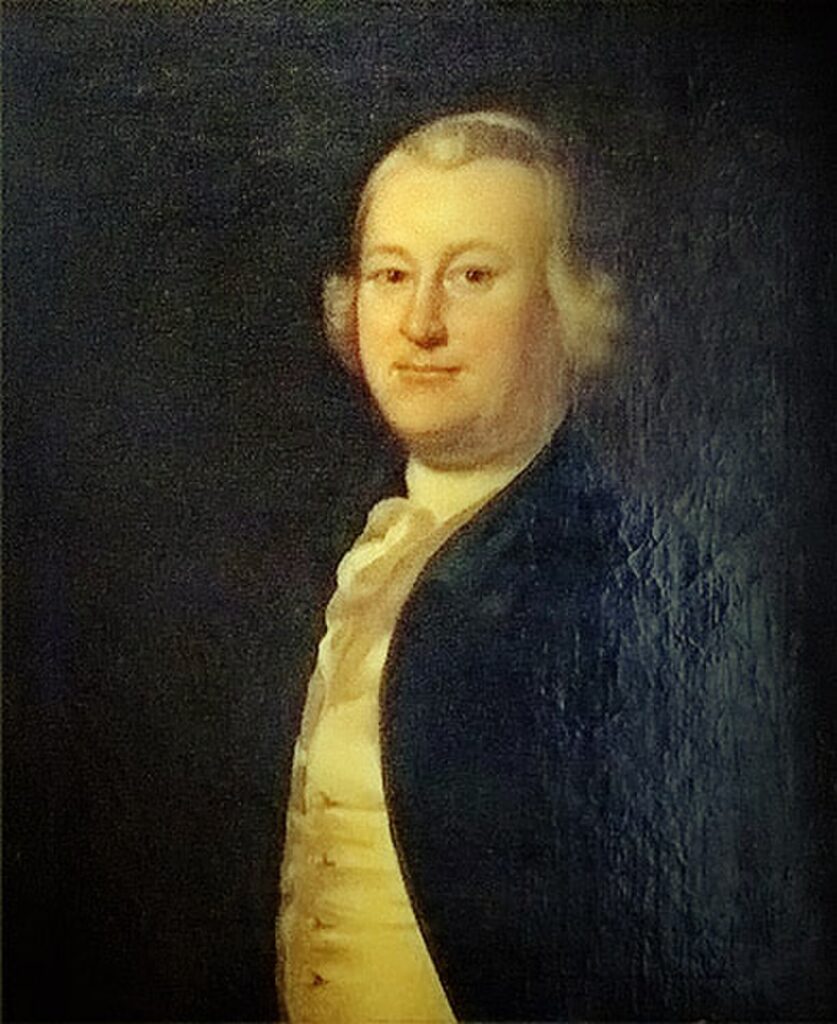
According to some accounts, James Otis—the patriot recognized for his bold declaration, “Taxation without representation is tyranny”—once voiced an uncanny wish: to be taken from this world by a flash of lightning. On May 23, 1783, his words became reality as a bolt struck him down, fulfilling his own prophecy in front of his family while he was mid-story. Otis was a brilliant lawyer whose words sparked the Revolution, but he suffered from severe mental health crises later in life. His sudden death actually brought comfort to his family, who believed it was God directly answering Otis’s long-time personal prayer for a quick, painless exit.
- State Number Eight
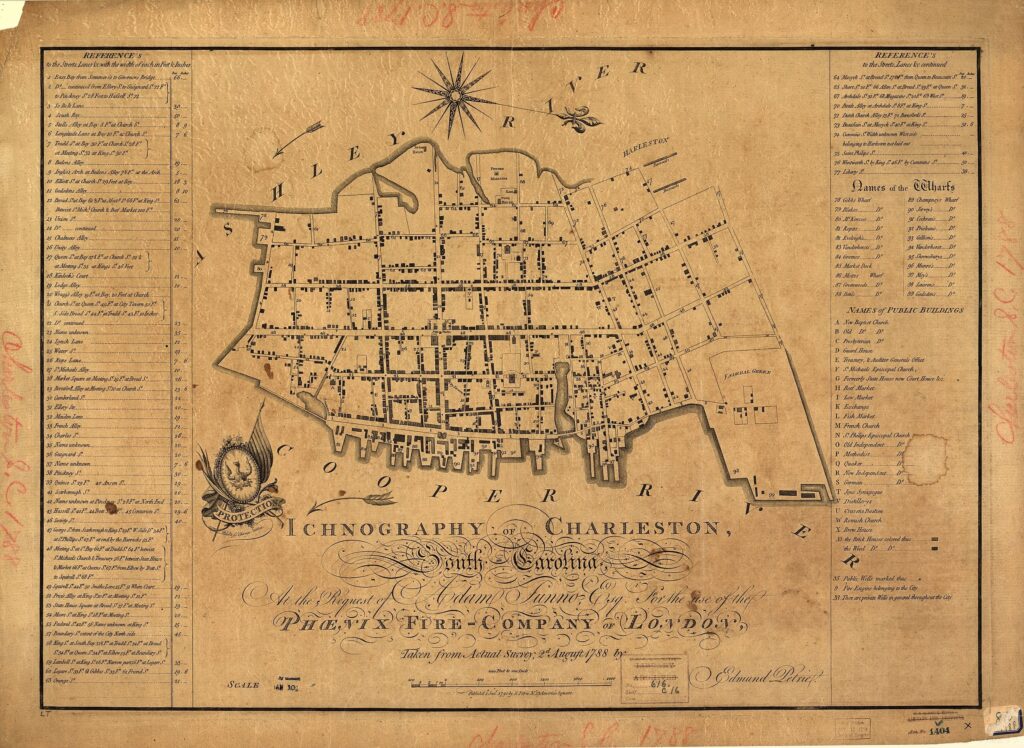
On May 23, 1788, South Carolina became the eighth state to ratify the U.S. Constitution. The vote revealed a deep divide between the wealthy, coastal lowcountry — which strongly supported the new federal system — and the inland backcountry, where many feared domination by coastal elites. The ratifying convention met in Charleston, the political and economic center of the state, where Federalists held a clear advantage. Despite the regional tensions, the final vote was overwhelmingly in favor, helping push the Constitution toward national adoption.
- The Birth of the Sideburn
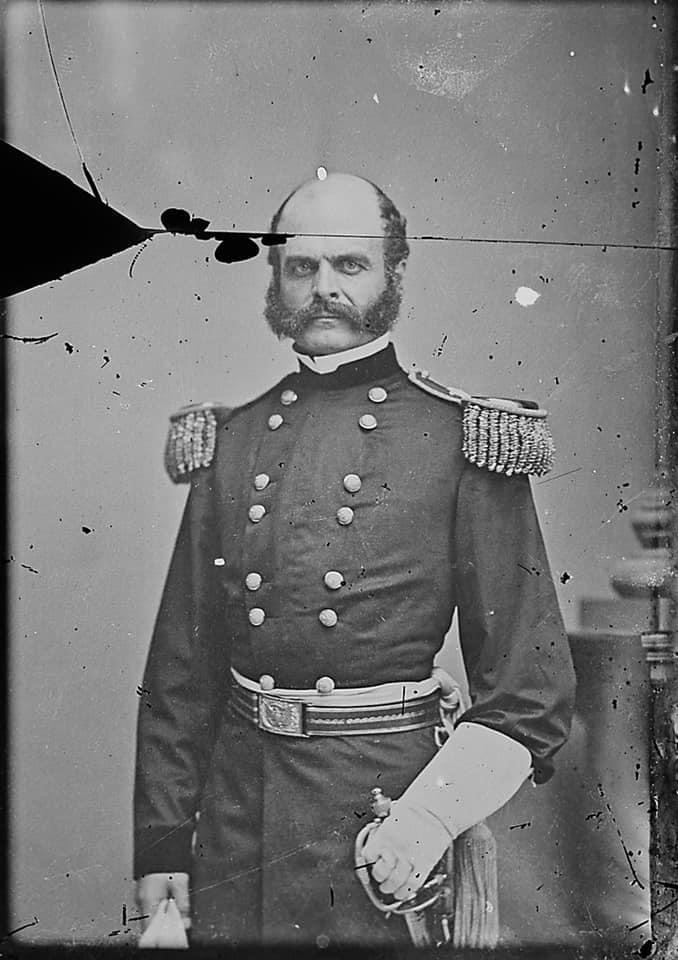
Ambrose E. Burnside was born on May 23, 1824, in Liberty, Indiana. A Union general during the Civil War, Burnside became known for his warm personality, uneven battlefield record, and unforgettable facial hair. His distinctive whiskers — thick side tufts connected to a mustache, with a clean‑shaven chin — became so iconic that Americans eventually flipped his name around to describe the style: “sideburns.” After the war, Burnside served as Governor of Rhode Island and later as a U.S. Senator, remaining a popular public figure long after leaving the battlefield.
- End of the Road for Outlaws
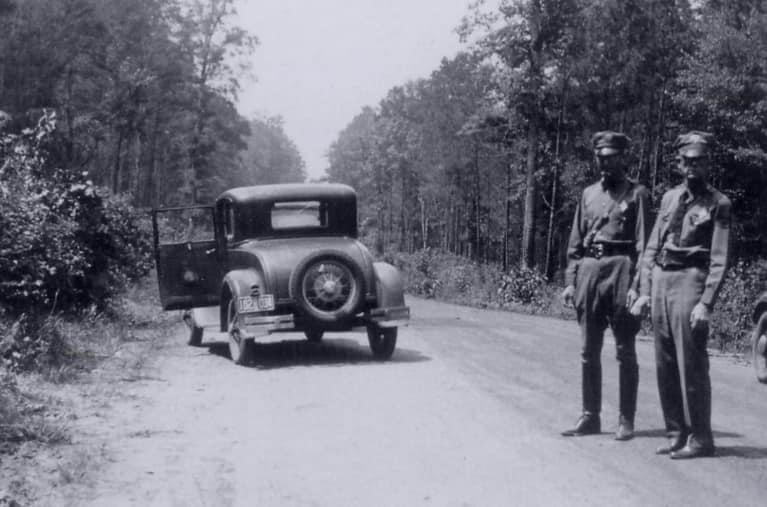
Snapshot of the spot in Louisiana where Bonnie and Clyde were ambushed and killed on May 23, 1934. The posse that finally ended the violent run of America’s most infamous criminal duo did not just rely on standard police work; they used a former gang member’s father as human bait. Texas Ranger Frank Hamer forced the father to park his truck on the side of the highway, knowing the outlaws would slow down to help a friend, which created the perfect, ruthless trap.
- Hollywood’s Original Swashbuckler
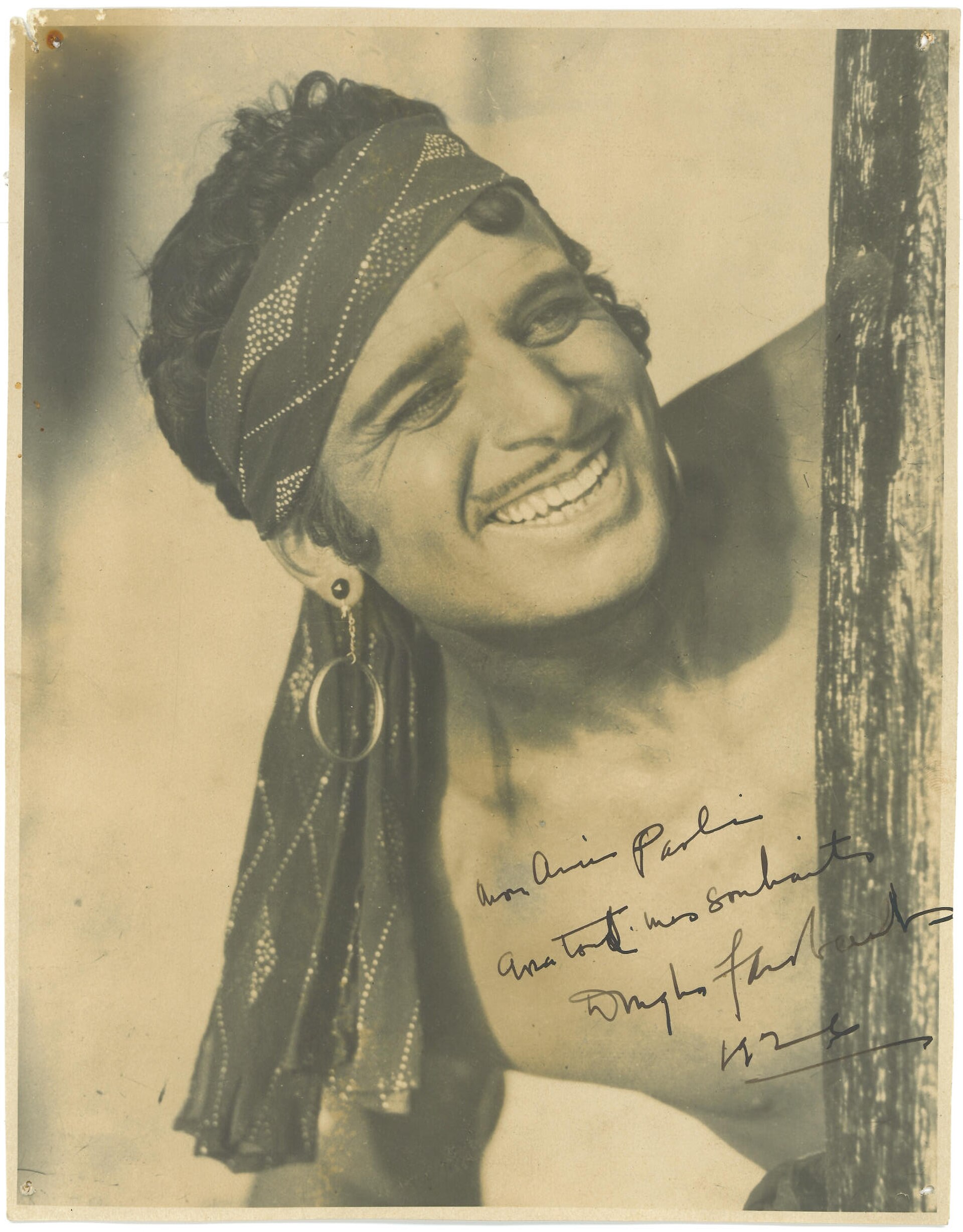
Douglas Fairbanks was born on May 23, 1883, in Denver, Colorado, and rose to become one of the most influential stars of the silent film era. Known for his athleticism, charm, and daring stunts, Fairbanks brought a new physical energy to films like The Mark of Zorro and Robin Hood. He trained rigorously and performed many of his own leaps, climbs, and swordfights, helping define the action‑hero archetype decades before modern special effects. As a co‑founder of United Artists, he also reshaped the business of Hollywood, giving artists more control over their work.
- From Batting Champ to Badge
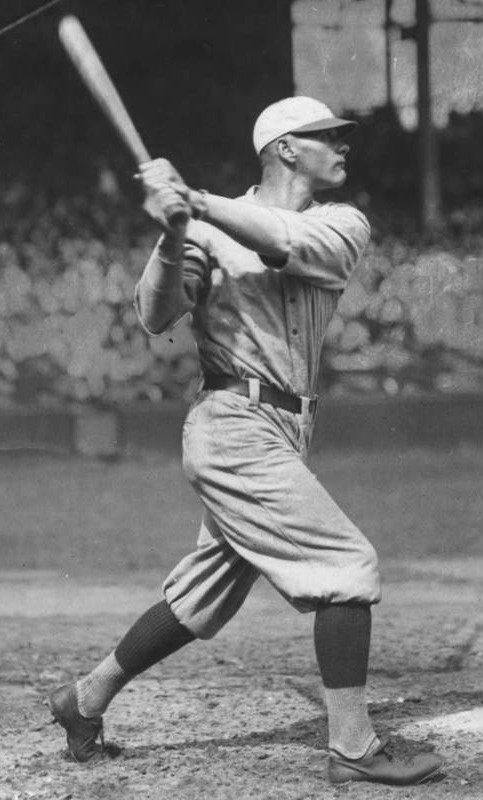
N.L. Batting Champion of 1918, Zack Wheat, was born on May 23, 1888 in Hamilton, Missouri. After retiring from baseball he owned a farm, but lost it during the Great Depression. He later co-owned a bowling alley and then became a police officer. Zack Wheat was so incredibly durable that he played for the Brooklyn Dodgers for 18 years without ever wearing a modern batting helmet or shin guards. His transition to law enforcement later in life was seamless because he used his famous athletic reflexes and powerful baseball-throwing arm to chase down and tackle fleeing criminals.
- Kentucky’s Golden Voice
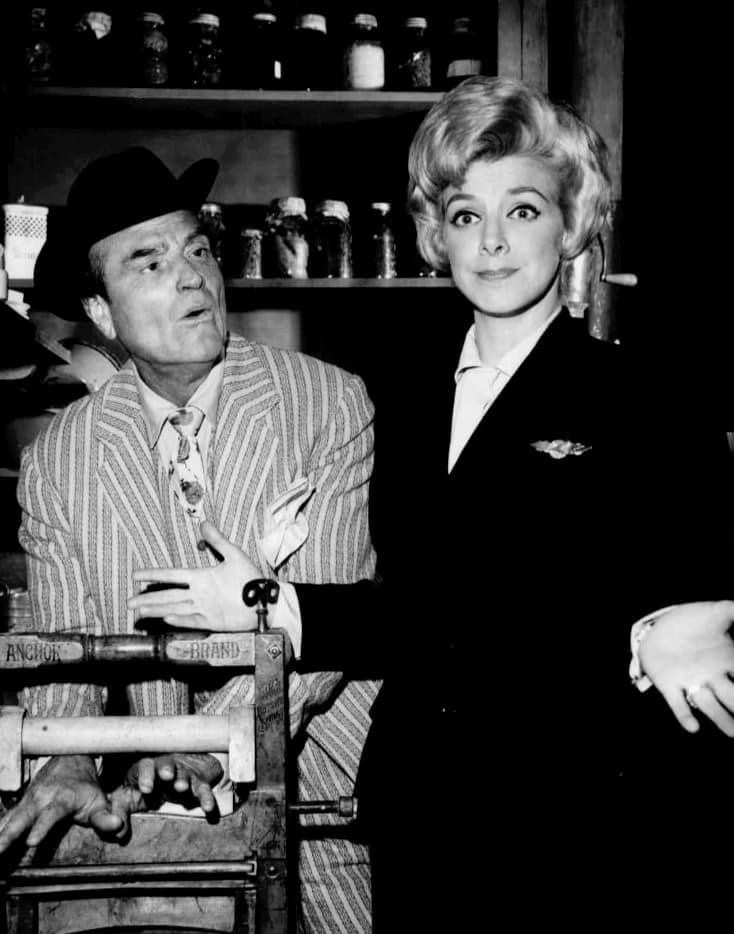
On May 23, 1928, American singer and actress Rosemary Clooney was born in Maysville, Kentucky, launching a celebrated career that spanned decades. Clooney faced a severe mental breakdown and a crippling addiction to prescription pills in the late 1960s that nearly destroyed her career entirely. Her incredible comeback in the late 1970s was championed by her lifelong friend Bing Crosby, who personally demanded she tour with him, introducing her iconic jazz vocals to a completely new generation of fans.
- Wildlife at Yellowstone
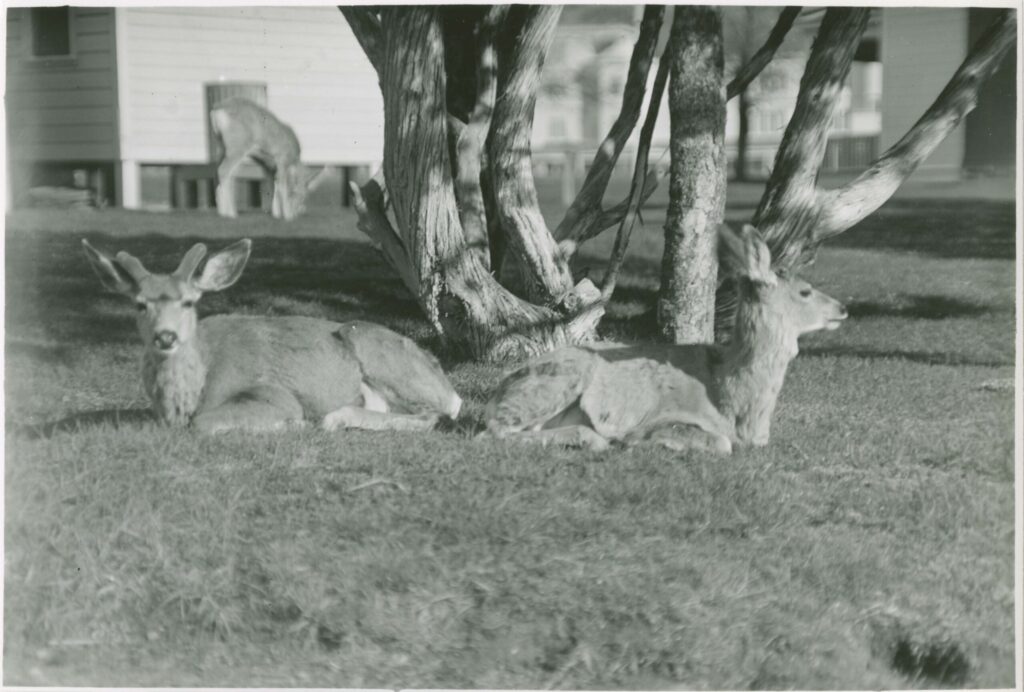
Mule Deer at Mammoth, Yellowstone National Park, May 23, 1916. This quiet moment was captured right at the dawn of automotive tourism in Yellowstone, which had only officially allowed cars inside the park boundaries a year prior. This sudden influx of loud, smoky vehicles forever changed how the park’s wildlife interacted with humans, turning once-wild animals into scavengers looking for tourist handouts.
- The Flag Never Touched the Ground
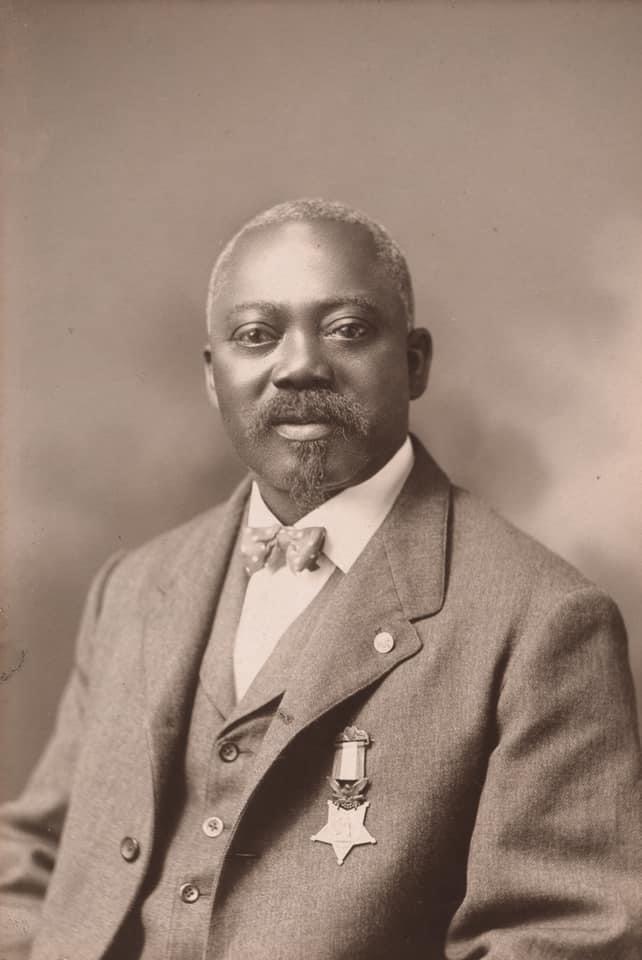
On May 23, 1900, American Civil War Veteran William Harvey Carney received the Medal of Honor for saving the regimental colors of the 54th Massachusetts Infantry at Fort Wagner in 1863, famously declaring that the old flag never touched the ground. Carney was born into slavery and escaped to freedom via the Underground Railroad before volunteering for the famous all-Black regiment. Despite taking bullets to his chest, arm, and legs during the bloody charge, he refused to let go of the flag because he knew the psychological blow of losing the colors would crush his regiment’s morale.
- Marching Down the Avenue
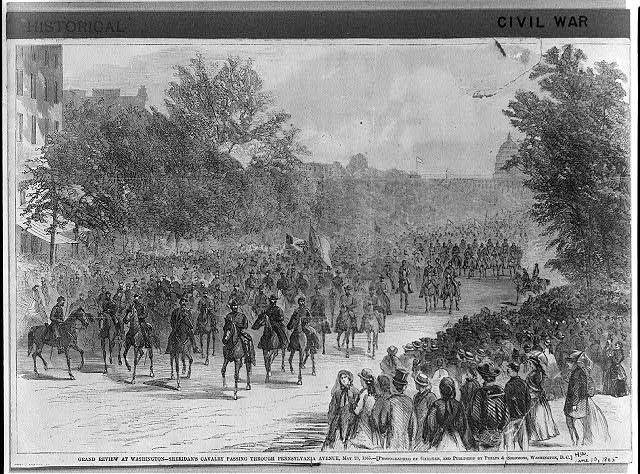
The Grand Review of the Armies, held in Washington, D.C., on May 23–24, 1865, was a massive celebration marking the end of the Civil War. Tens of thousands of Union soldiers marched down Pennsylvania Avenue in a two‑day spectacle that symbolized national reunification and the scale of the Union victory. General Philip Sheridan and his cavalry took part in the procession, riding before cheering crowds. Within weeks, Sheridan would be sent to the Texas frontier to oversee operations related to French intervention in Mexico, but he was present for the triumphant review that closed the war.
- The Squalus Rescue: A Miracle in the Deep
On May 23, 1939, the brand‑new submarine USS Squalus slipped beneath the Atlantic for a routine test dive — and never resurfaced. A single valve failure sent a wall of seawater roaring through the aft compartments, killing 26 men instantly. The submarine plunged to the bottom and settled 243 feet down, where no human being had ever been rescued alive.
But in the forward compartments, 33 men survived — trapped in freezing darkness, rationing air, listening to the hull groan under the pressure of the deep.
At that depth, rescue was considered impossible.
No navy on earth had ever pulled men alive from such a grave.Then came the miracle.
The Navy deployed a brand‑new invention: the McCann Rescue Chamber, a 10‑ton steel diving bell designed to clamp onto a sunken submarine’s escape hatch. It had never been used in a real emergency.
Trip after trip, the chamber descended into the black water, locked onto the Squalus, and hauled survivors back to the surface. It was the first successful deep‑submarine rescue in world history.
But the final lift nearly ended in disaster.
On the fourth trip up — carrying the last survivors — the rescue chamber’s cables jammed. The bell hung suspended in open ocean, swaying in the swell, with the trapped men running out of air. Navy divers had to descend in the dark, manually cut the fouled cables, and guide the chamber up by hand.
The men inside the chamber survived.
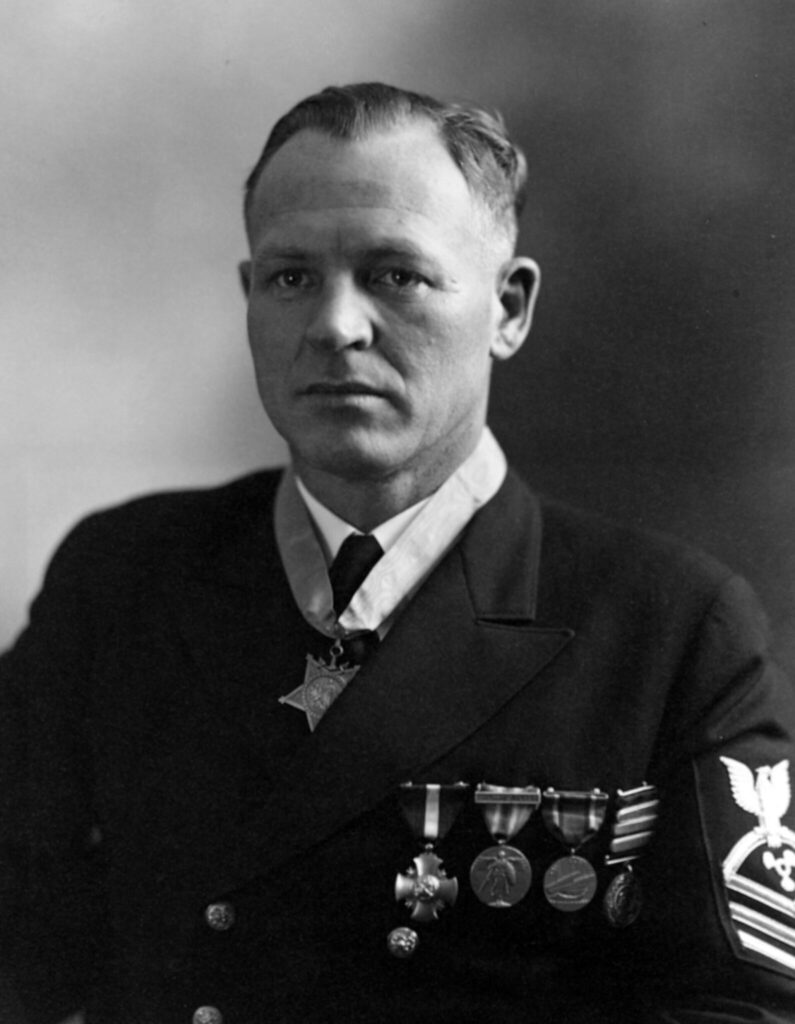
Among the divers was Chief Boatswain’s Mate William Badders (shown), a veteran of the Navy’s Experimental Diving Unit. Working in crushing cold and darkness, breathing the new helium‑oxygen mixture that kept him conscious at depth, Badders helped free the jammed chamber and bring the last survivors home. His actions earned him the Medal of Honor — one of the few ever awarded for non‑combat heroism.
It was a triumph of engineering, courage, and a breakthrough in deep‑sea diving science. Without helium‑oxygen mixtures, the divers would have suffered nitrogen narcosis — a drunken, dreamlike state — long before reaching the wreck.
The story didn’t end there.
The Navy refused to let the Squalus remain a tomb. They raised the submarine from the seafloor, repaired her, and recommissioned her as USS Sailfish. In a twist almost too strange for fiction, Sailfish went on to fight in the Pacific — and in 1943, she sank a Japanese aircraft carrier that happened to be transporting survivors from another lost American submarine.
A ship that died and rose again… sinking a ship carrying men who had survived a different sinking.
The Squalus rescue remains one of the most astonishing survival stories in American naval history — the day 33 men were pulled back from a depth that should have killed them, and lived to tell the tale.
Image: William Badders, photographed on January 19, 1940, after receiving the Medal of Honor for his heroism during the rescue and salvage of USS Squalus. He served as the senior member of the rescue chamber crew and later as a diver during the salvage. His other decorations include the Navy Cross, WWI Victory Medal, and Yangtze Service Medal.
- The Floating Gallows and the Smuggler of the Atlantic
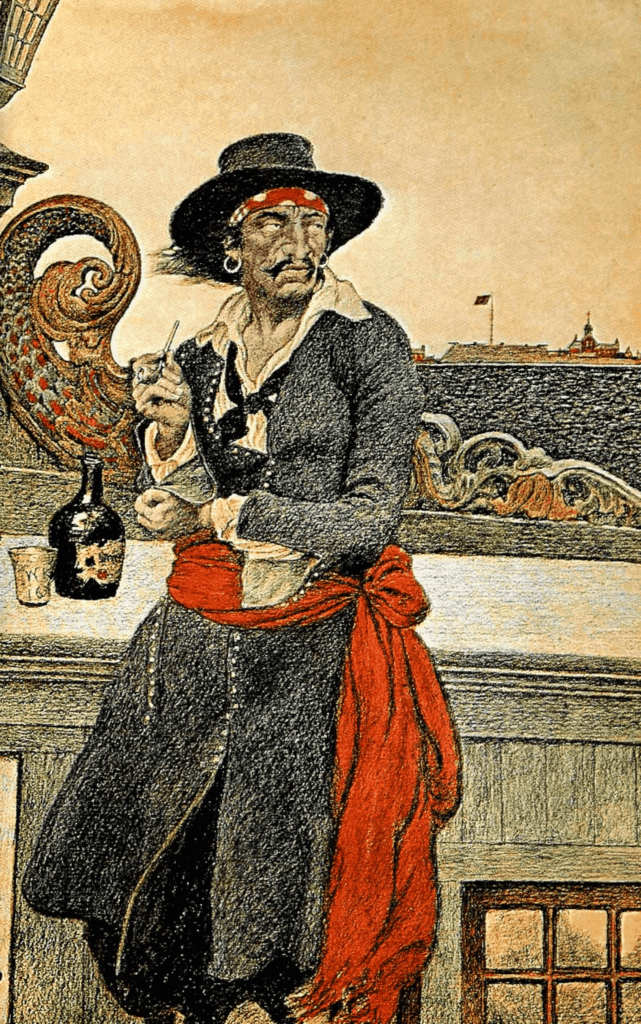
On May 23, 1701, the Scottish‑born privateer Captain William Kidd was hanged at Execution Dock in London, an event that sent a shudder through the Atlantic world and the early American colonies. His capture and trial were staged as a public demonstration of the Crown’s determination to crush piracy and assert unambiguous authority over the oceanic trade routes that bound England to its colonies.
The deeper, grittier truth is that Kidd’s career was woven into the highest levels of early American political and financial power. Far from a skull‑and‑crossbones marauder, Kidd was a wealthy, respected New York resident, legally commissioned as a privateer by a syndicate of influential English nobles and the Governor of New York and Massachusetts. When his mission to hunt pirates collapsed after he seized an Armenian merchant ship carrying a French pass that should have protected it, his American and British patrons abandoned him to save their own reputations — even suppressing the very French documents that might have cleared him.
His execution was as macabre as it was symbolic. The rope snapped on the first attempt, forcing the hangman to try again. Afterward, Kidd’s body was tarred, locked in iron chains, and suspended over the Thames for three years — a floating warning to every colonial merchant ship that passed beneath it.
On This Day In American History
May 23
Loading posts…
Pick a Day 🔺