
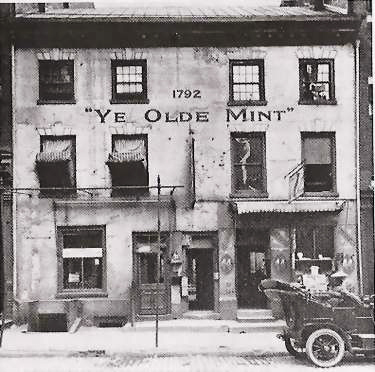
After Congress passed the Coinage Act of 1792 on April 2, President George Washington appointed the noted astronomer and instrument maker David Rittenhouse as the first Director of the United States Mint. On July 18, Rittenhouse purchased two lots at Seventh and Arch Streets in Philadelphia, and on July 31, 1792, foundation work began for the Mint building—often described as the laying of its cornerstone. This made the Philadelphia Mint the first federal building erected under the new Constitution. Even before the main complex was finished, the Mint’s staff struck early experimental coins in temporary quarters during the summer of 1792, using rudimentary, hand‑operated equipment. The gradual completion of the Mint’s buildings signaled a long‑term commitment to a uniform national coinage, helping the young republic move away from reliance on foreign coins and inconsistent local standards.
In the wake of the Revolutionary War, many Americans were deeply wary of paper money, which had collapsed in value and left a legacy of financial loss. By establishing a dedicated federal facility to produce gold, silver, and copper coins, the government offered citizens a tangible, reliable standard of value. This new national currency gave the disparate states a shared measure of worth, binding local economies into a more cohesive national system. This physical act of laying stone on soil was an attempt to establish an emotional anchor for a young, fragile republic, grounding its survival in something that could be held in the palm of a hand.
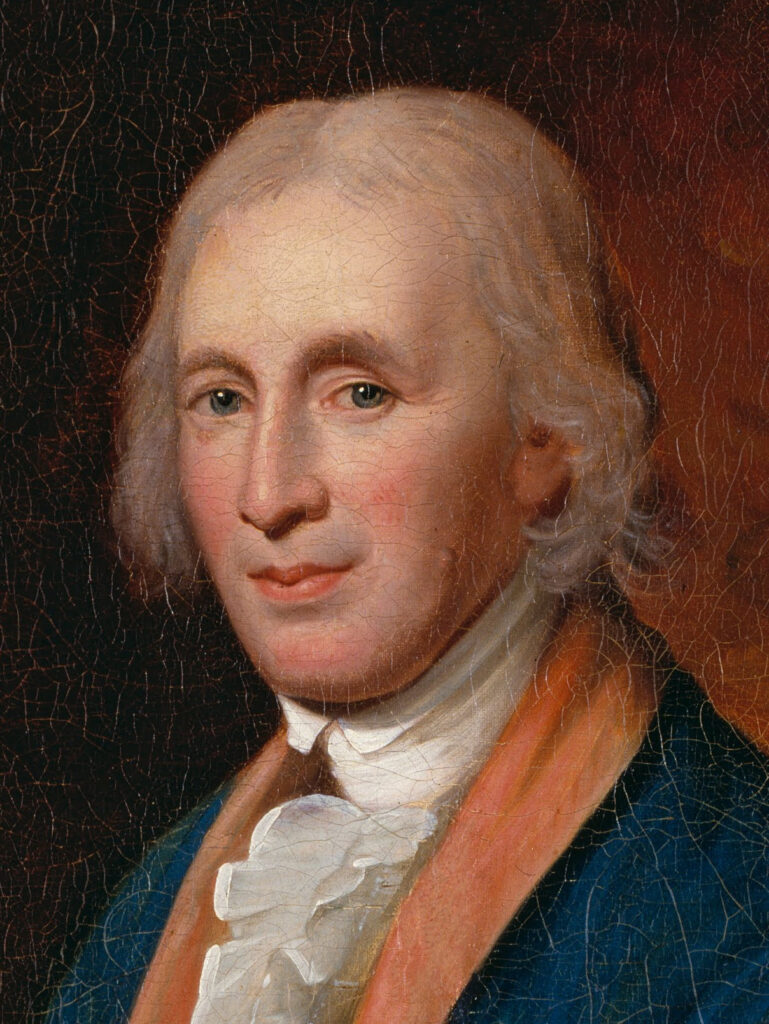
Rittenhouse, accustomed to precision as a clockmaker and scientist, understood that commerce depended on faith in the currency’s weight and purity. He recognized that human anxiety could only be quieted by absolute dependability. The steady production of standardized coins provided the United States with a unified economic pulse, anchoring public trust in the institutions of the young republic and giving a fragmented populace a shared, reliable heartbeat of commerce.

Thanks for sharing this Historical fact. Would live to know more about paper bills with values.