
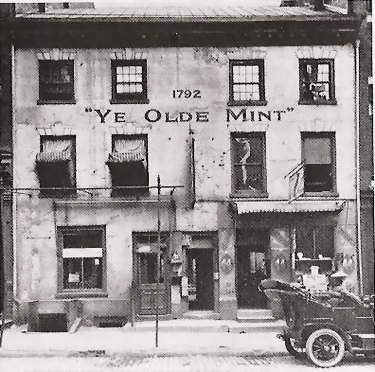
After the Coinage Act of 1792 was passed by Congress in April of that year, the first U.S. Mint Director, David Rittenhouse, placed the cornerstone of the first U.S. Mint in Philadelphia on July 31, 1792.
Image c. 1908 via Wikimedia Commons, public domain
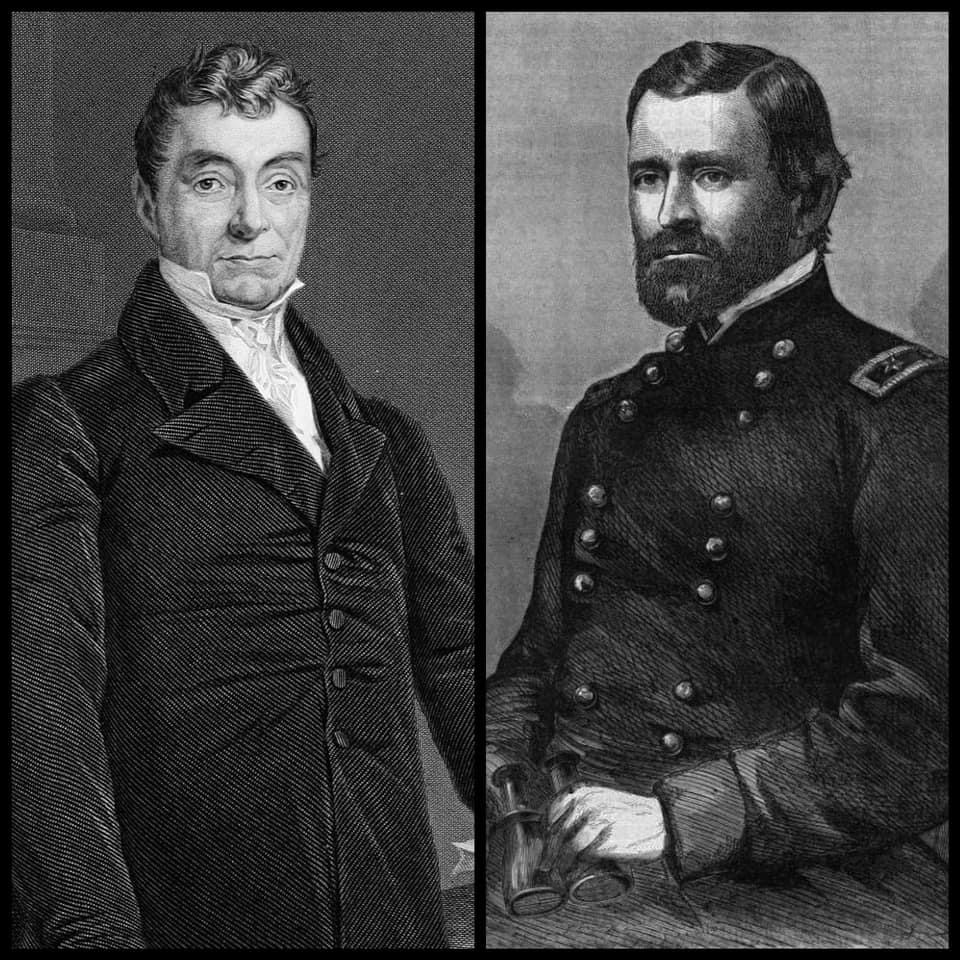
Generals of the day
On July 31, 1777, Marquis de Lafayette became a major-general of the Continental Army without compensation.
Exactly 84 years later…
On July 31, 1861, Abraham Lincoln appointed Ulysses S. Grant as brigadier general of the U.S. Volunteers.
When Marquis de Lafayette returned to the United States for his Grand Tour in 1824, Ulysses S. Grant was just 2 years old.
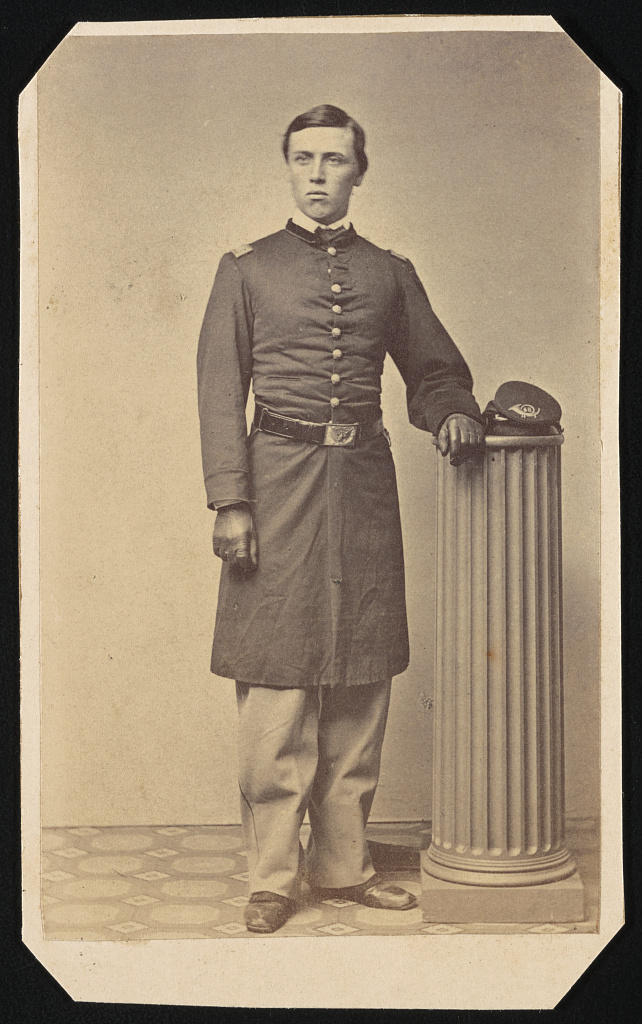
Captain Frederick Hurst, Company E, 48th New York Infantry Regiment
Photographed between 1861 and 1863 by A.A. Turner, published by D. Appleton & Co., New York
Standing with determination next to a fluted column, Captain Frederick Hurst is depicted in his uniform—long frock coat, sash, and sword belt—with his kepi placed nearby. Captured in the widely popular carte de visite format, this portrait was disseminated during the Civil War as both a keepsake and a record.
After being wounded and captured during the ill-fated assault on Fort Wagner in South Carolina, Hurst died from his injuries on July 31, 1863, in Charleston. This image, taken prior to his last campaign, serves as a testament to his service and sacrifice.
Image via LOC, no known restrictions
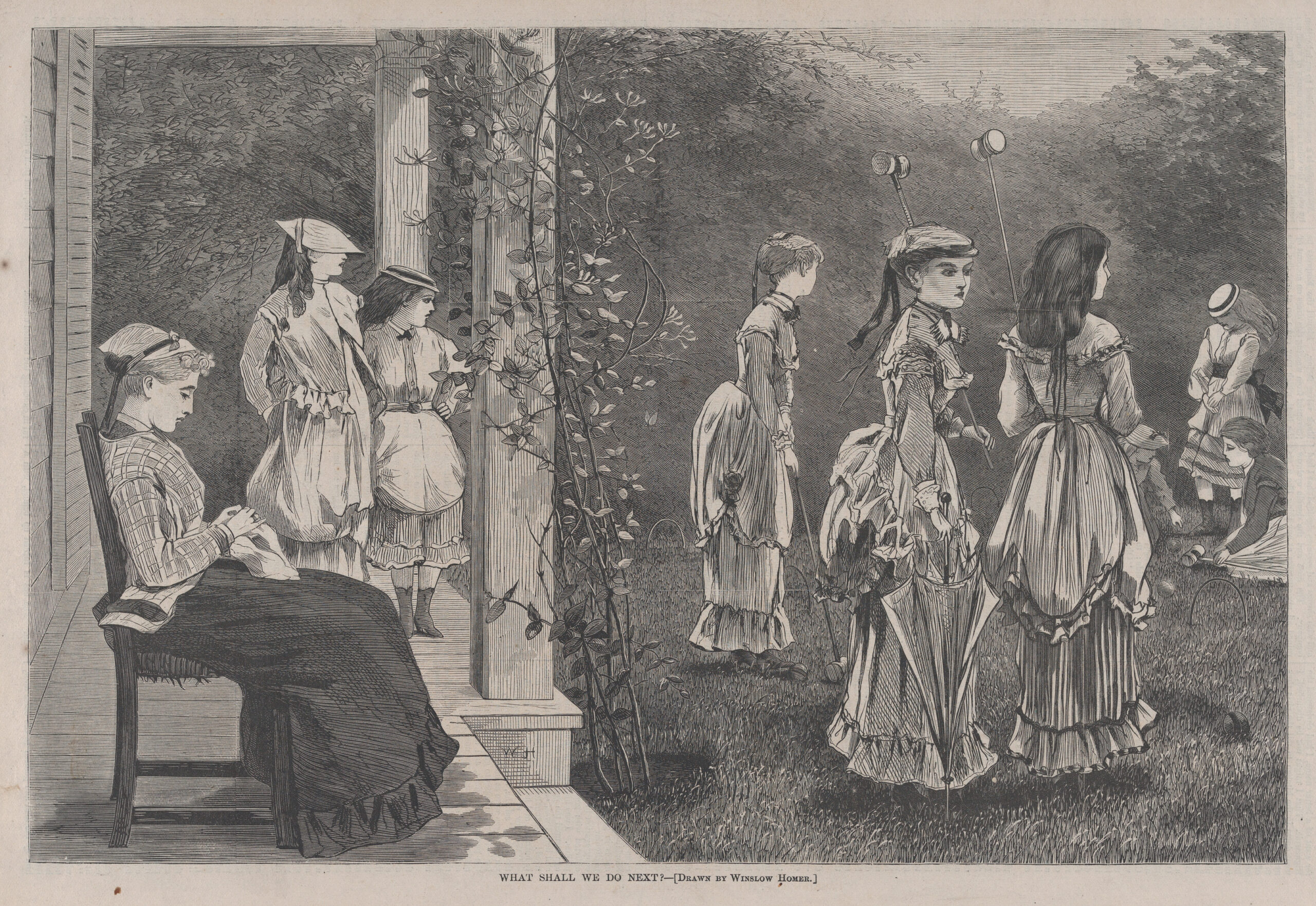
“What Shall We Do Next?”
Winslow Homer, Harper’s Bazar, published July 31, 1869
Several young women gather in a sun-dappled garden, their figures arranged like punctuation marks across a summer afternoon. Some lounge with croquet mallets and parasols; others sit upright, reserved, or contemplative. The scene is brimming with the paraphernalia of fashionable leisure—but not action. Instead, it’s marked by pause, a collective hesitation wrapped in Homer’s caption.
Published just four years after the Civil War, this engraving echoes a nation in transition. Homer’s title asks more than what game follows next—it gestures toward the uncertainty of Reconstruction, the evolving roles of women, and the disquiet beneath postwar serenity. The juxtaposition of rural stillness and urban restlessness—of corseted bodies and unspoken freedoms—invites us to read this tableau not just as pastime, but parable.
What shall we do next, indeed?
Image via Wikimedia Commons, public domain
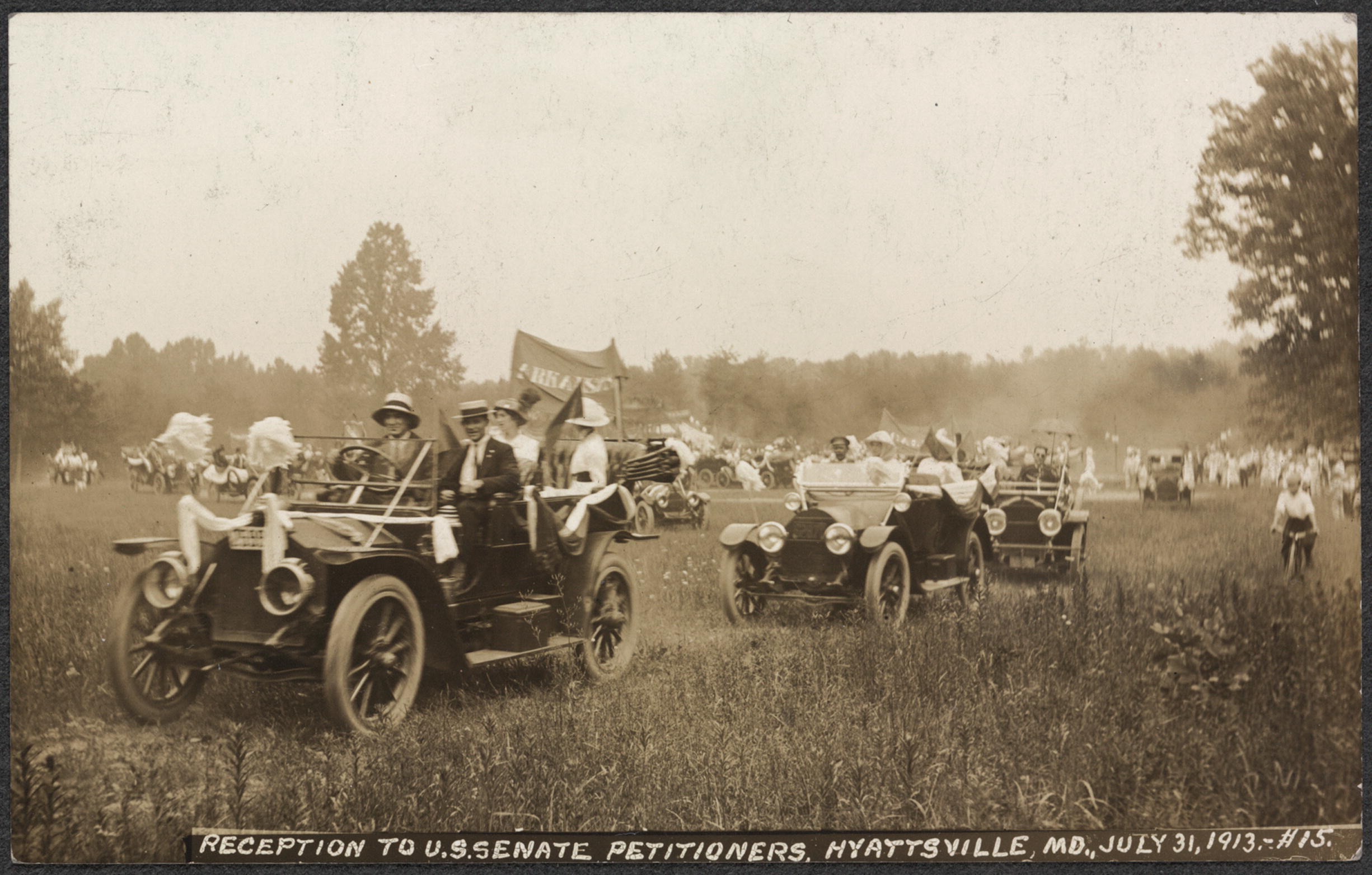
On July 31, 1913, a motorcade of sixty vehicles made a trip from Hyattsville, Maryland to the U.S. Capitol. What was the purpose? To deliver over 200,000 petitions requesting an amendment to the U.S. Constitution so that women could vote.
Image: Reception to U.S. Senate Petitioners, Hyattsville, MD
July 31, 1913 via Wikimedia Commons, public domain
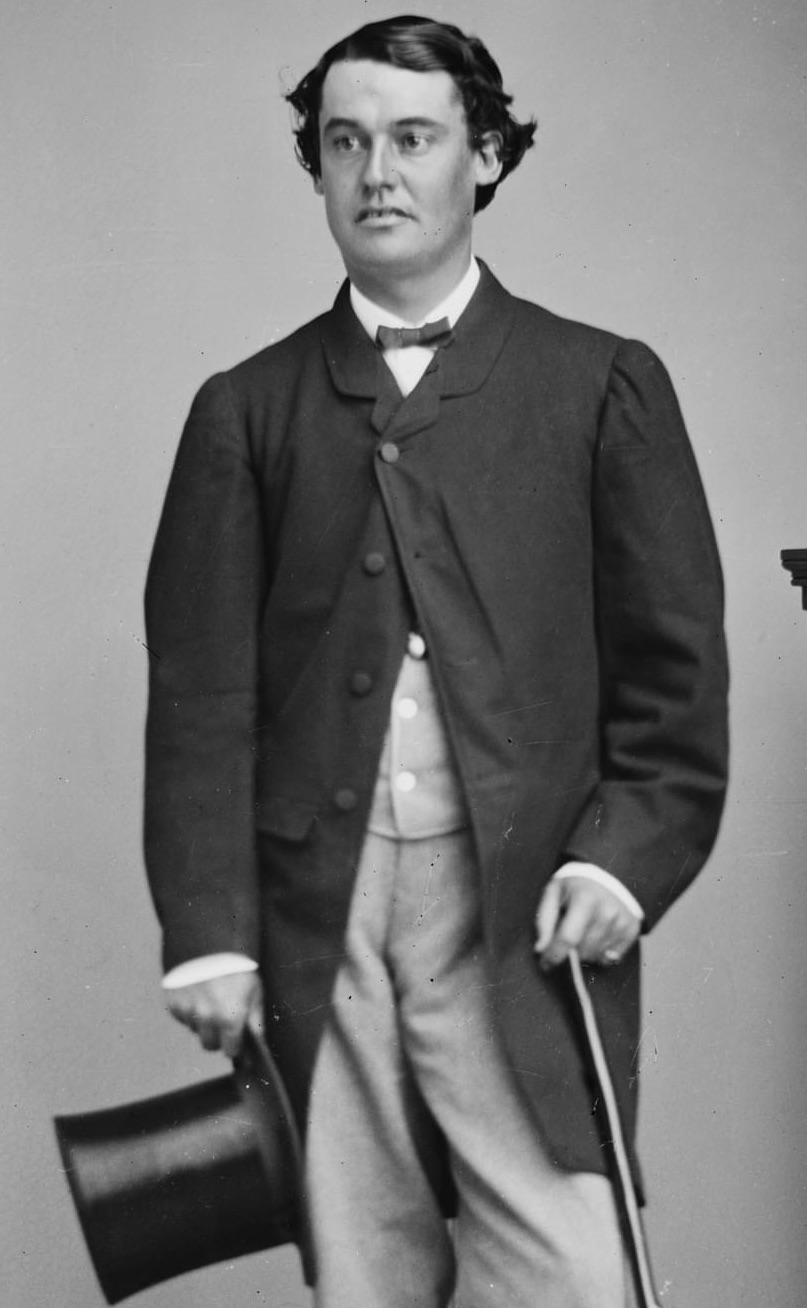
87th Mayor of New York City Abram Hewitt was born on July 31, 1822 in Haverstraw, New York.
In the mid 1800s he co-founded an iron mill in Trenton, New Jersey that created wrought iron beams that were used in the construction of America’s first skyscrapers.
He’s also considered to be the “Father of The New York City Subway System.”
Image via Wikimedia Commons, public domain
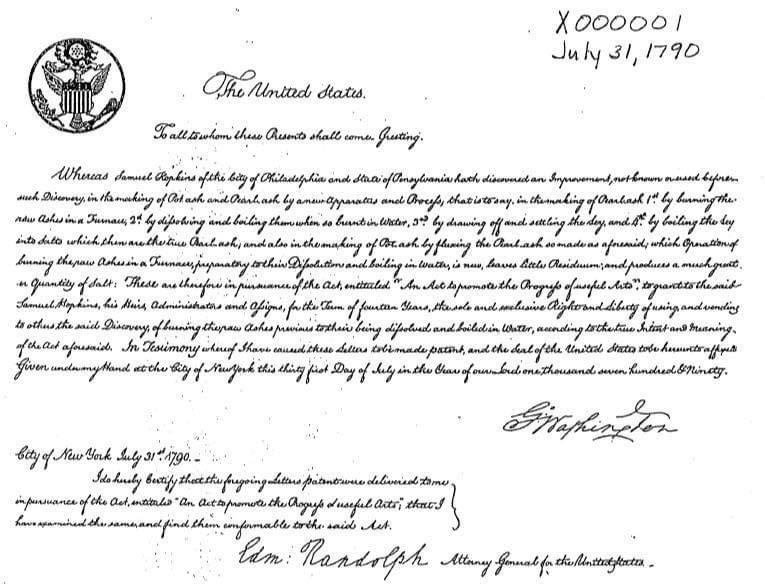
On July 31, 1790 the first United States patent was issued to Samuel Hopkins.
Since then the U.S. has granted over 10 million patents.
This first one was signed by our first President, George Washington.
Image via Wikimedia Commons, public domain
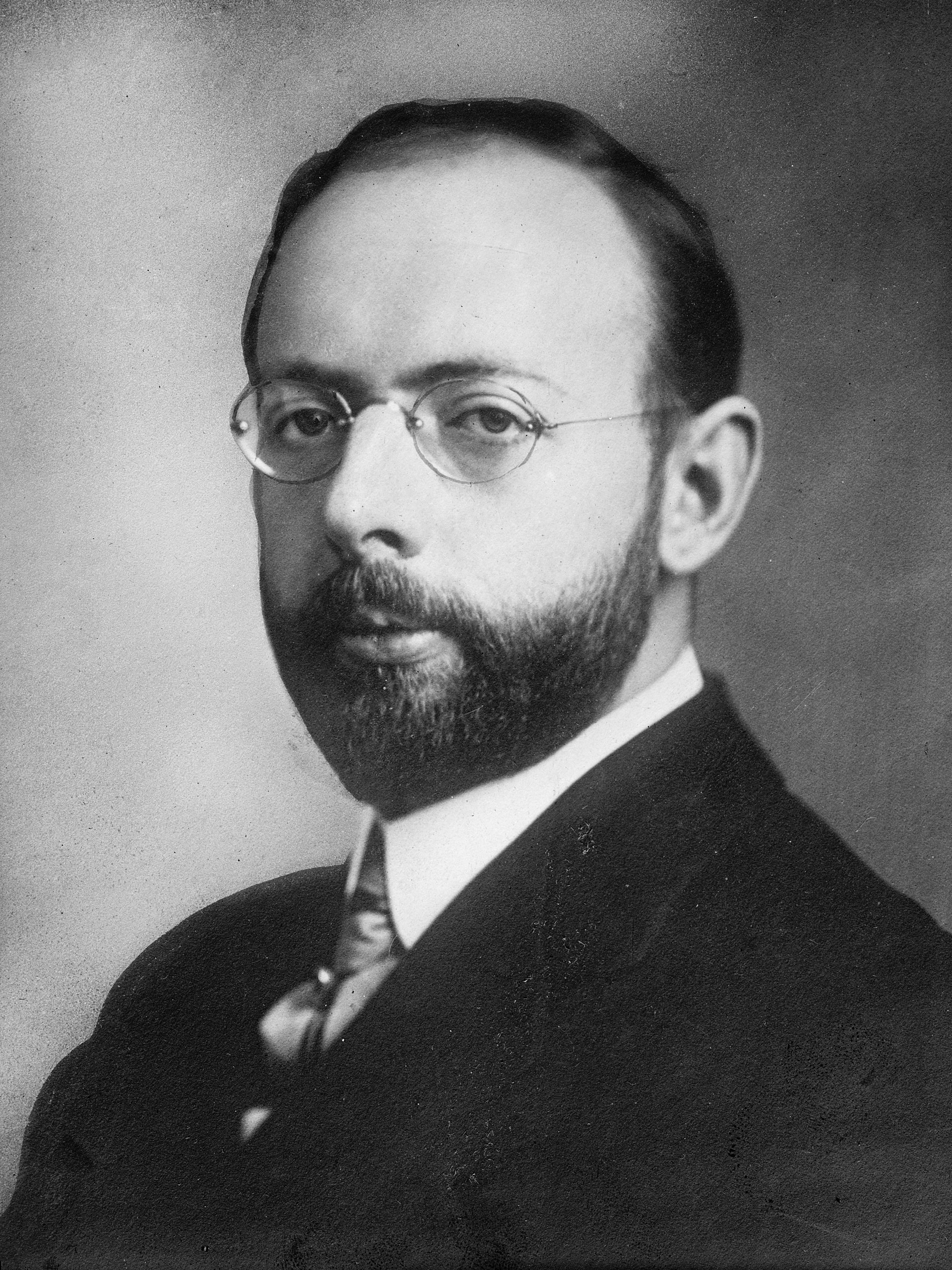
American inventor Herbert Eugene Ives was born in Philadelphia on July 31, 1882.
In 1924 he successfully transmitted the first color fax which was an image of silent film star Rudolph Valentino.
Image via Wikimedia Commons, public domain
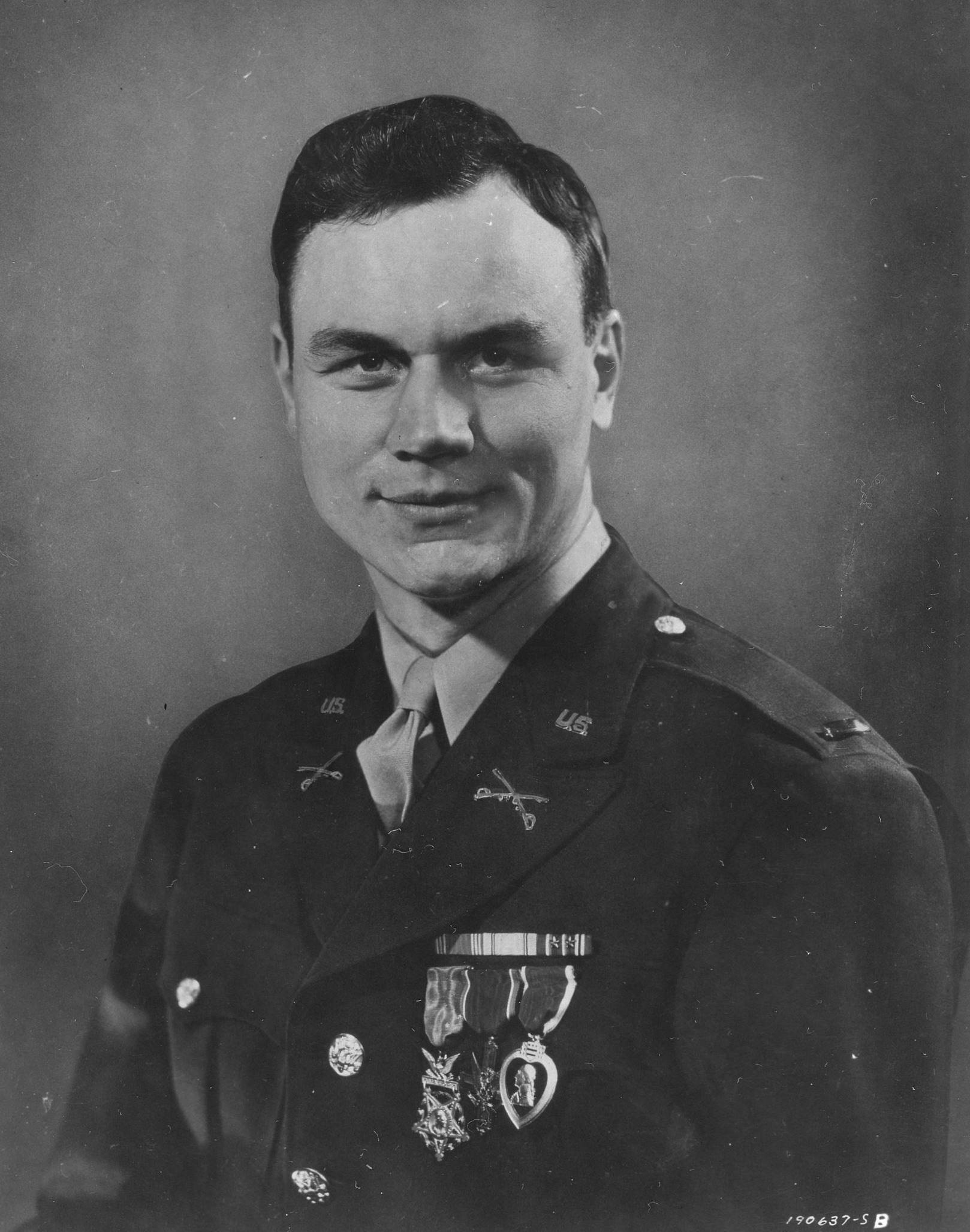
During the Invasion of Sicily on July 31, 1943 after taking an enemy machine gun position, Gerry H. Kisters singlehandedly captured a second enemy machine gun position after receiving multiple wounds in the legs and arm.
For his heroism he was awarded the Medal of Honor.
Image via Wikimedia Commons, public domain
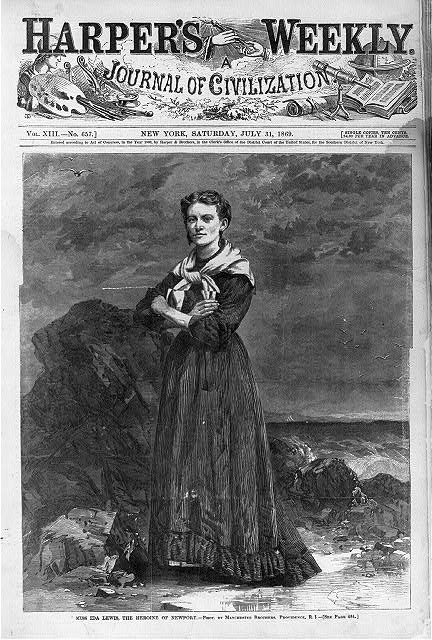
The front page of Harper’s Weekly from July 31, 1869
Miss Ida Lewis, the heroine of Newport / photo by Manchester Bros., Providence, R.I.
Image via LOC, no known restrictions
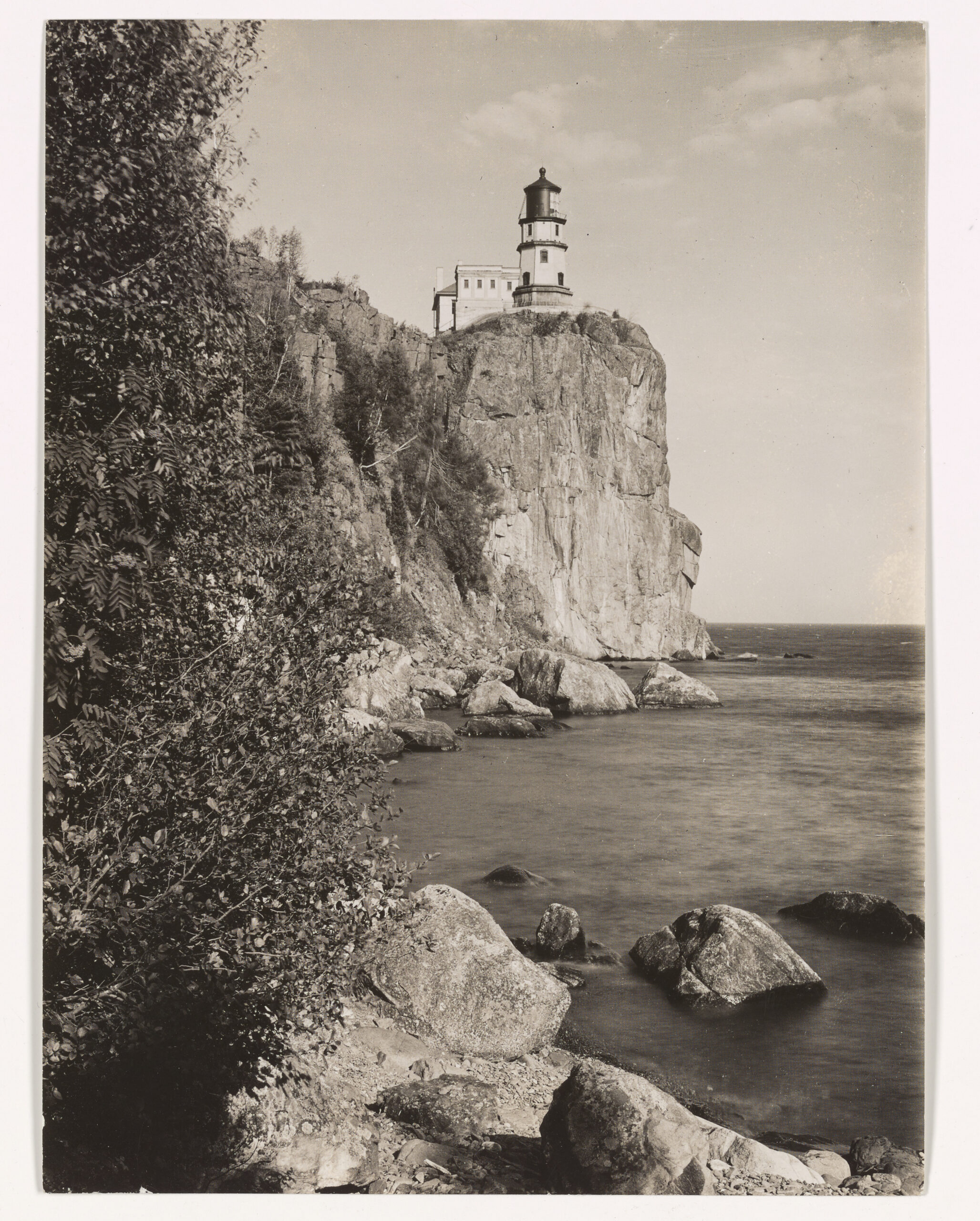
Split Rock Lighthouse that sits atop a sheer cliff on the North Shore of Lake Superior in Minnesota was first lit on July 31, 1910.
Image via Wikimedia Commons, public domain
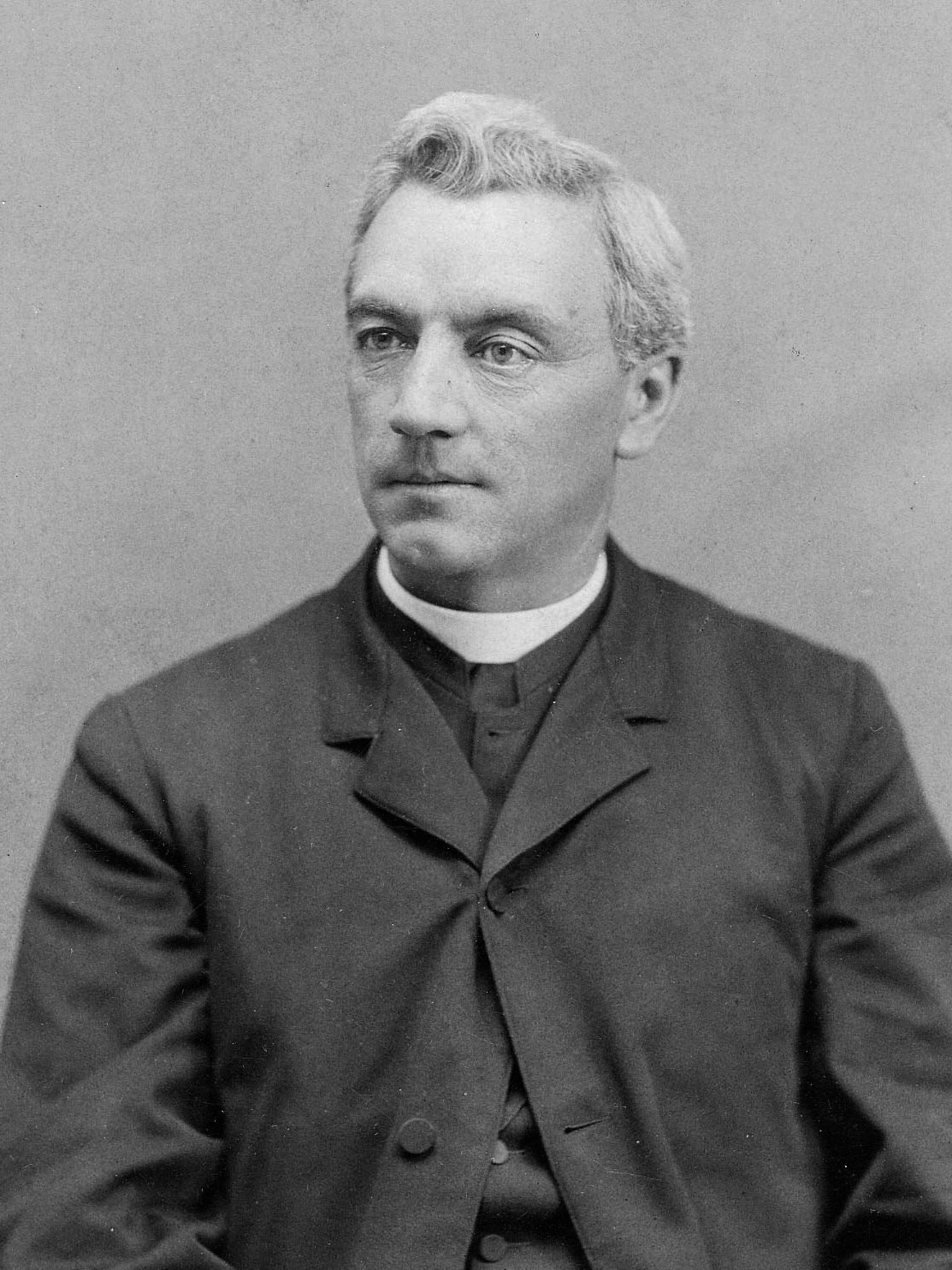
Inaugurated on July 31, 1874, Father Patrick Francis Healy, S.J., became president of Georgetown University—and soon set in motion a transformation that would reshape its physical and intellectual landscape. His vision culminated in the construction of Healy Hall (1877–1879), a soaring Neo-Gothic landmark designed by Paul J. Pelz and John L. Smithmeyer, architects of the Library of Congress. Built of Potomac gneiss and crowned with a 200-foot spire, the hall reoriented the campus toward the city, signaling Georgetown’s emergence as a national institution. Inside, Riggs Library and Gaston Hall offered cast-iron elegance and ceremonial grandeur, embodying Healy’s belief that architecture could inspire scholarship, dignity, and ambition.
Image via Wikimedia Commons
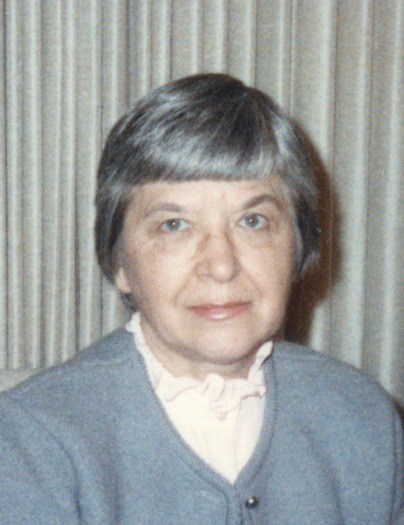
Stephanie Kwolek, the woman who invented Kevlar, was born on July 31, 1923 near Pittsburgh, Pennsylvania.
Image from Science History Institute via Wikimedia Commons, CC BY 3.0 Unported
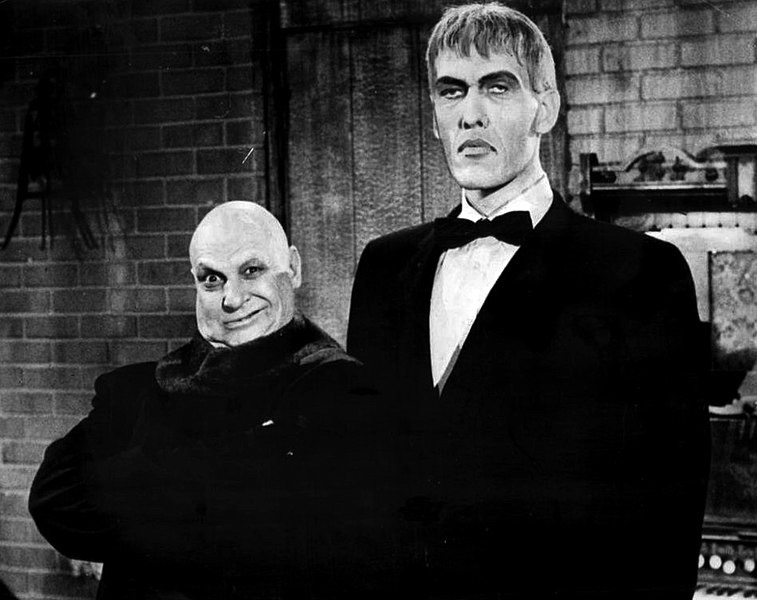
Born July 31, 1932 actor Ted Cassidy was featured in a number of films and television shows of the 1960s and ‘70s but is best remembered for his role as Lurch on The Addams Family. He’s shown here with Jackie Coogan (left, as Uncle Fester). Can’t you just hear Ted’s sonorous “You rang?”
Image via Wikimedia Commons, no known copyright, public domain in the US.
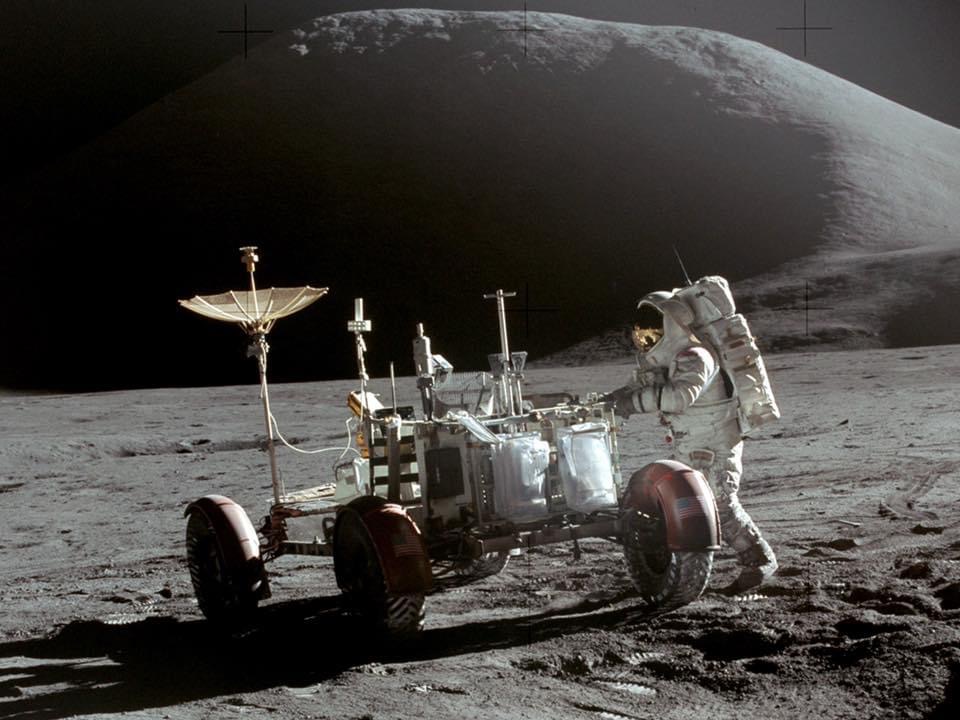
July 31, 1971 was the first time that a lunar roving vehicle was driven by American astronauts on the moon. It was driven by Apollo 15 Astronauts David Scott & James Irwin.
Image of James Irwin with the lunar roving vehicle via Wikimedia Commons, public domains
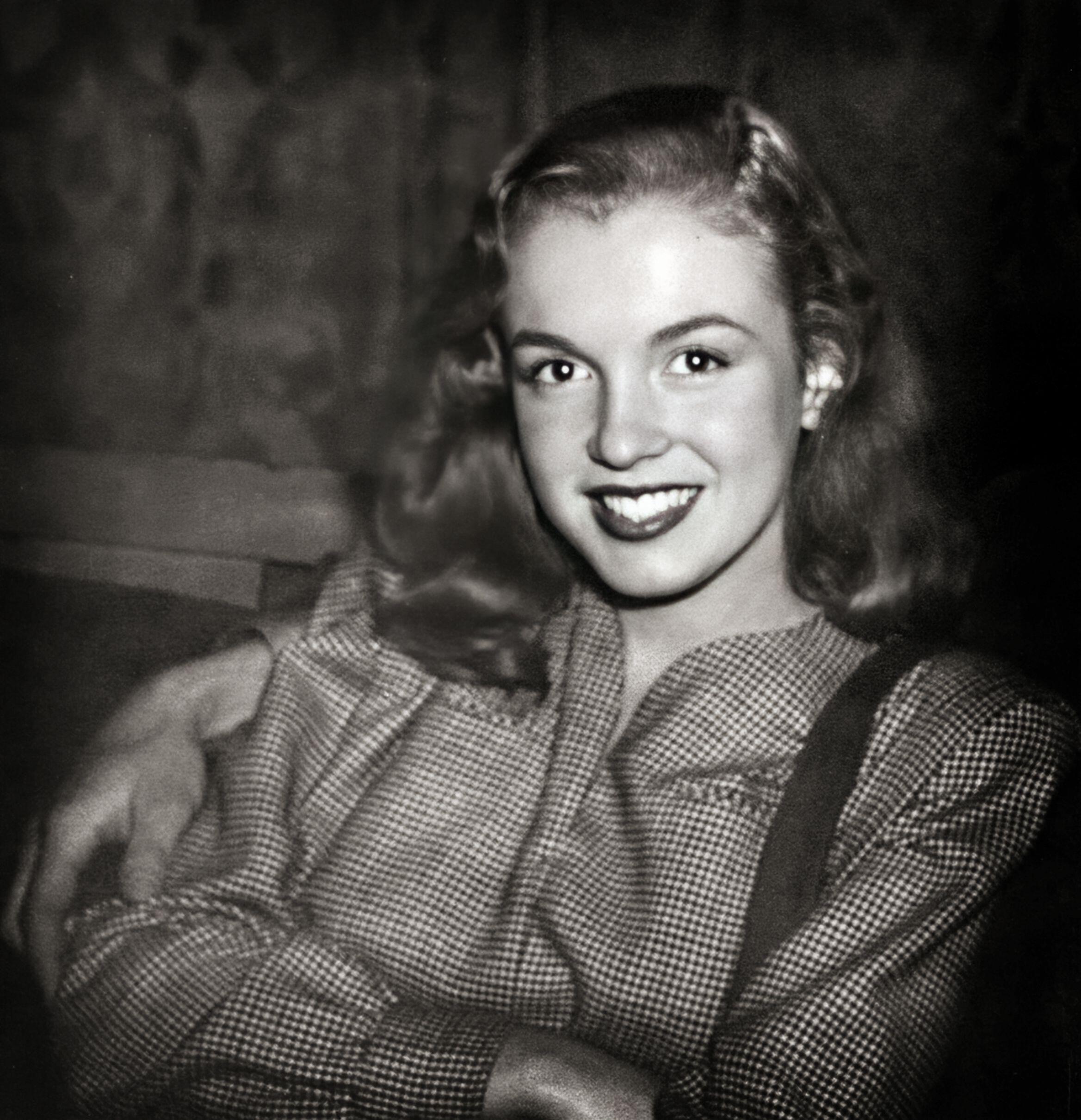
On July 31, 1946, Norma Jeane Dougherty signed her first film contract with Twentieth Century Fox, earning a modest weekly salary—reported variously as $125 or $150. Yet it would be more than a year before she appeared on screen, in a fleeting role as a waitress in Dangerous Years (1947). During that long lead-up, Monroe honed her craft behind the scenes while studios quietly sculpted her image. By 1948, she had gone platinum blonde, and her brief roles became proving grounds for a persona in progress. Though her superstardom would erupt in the early 1950s, the groundwork was laid by 1950, with performances in The Asphalt Jungle and All About Eve hinting at the icon to come. Marilyn Monroe was no longer just a name—she was a carefully constructed symbol, veiling Norma Jeane in allure, ambition, and expectation.
Image via Alamy
