
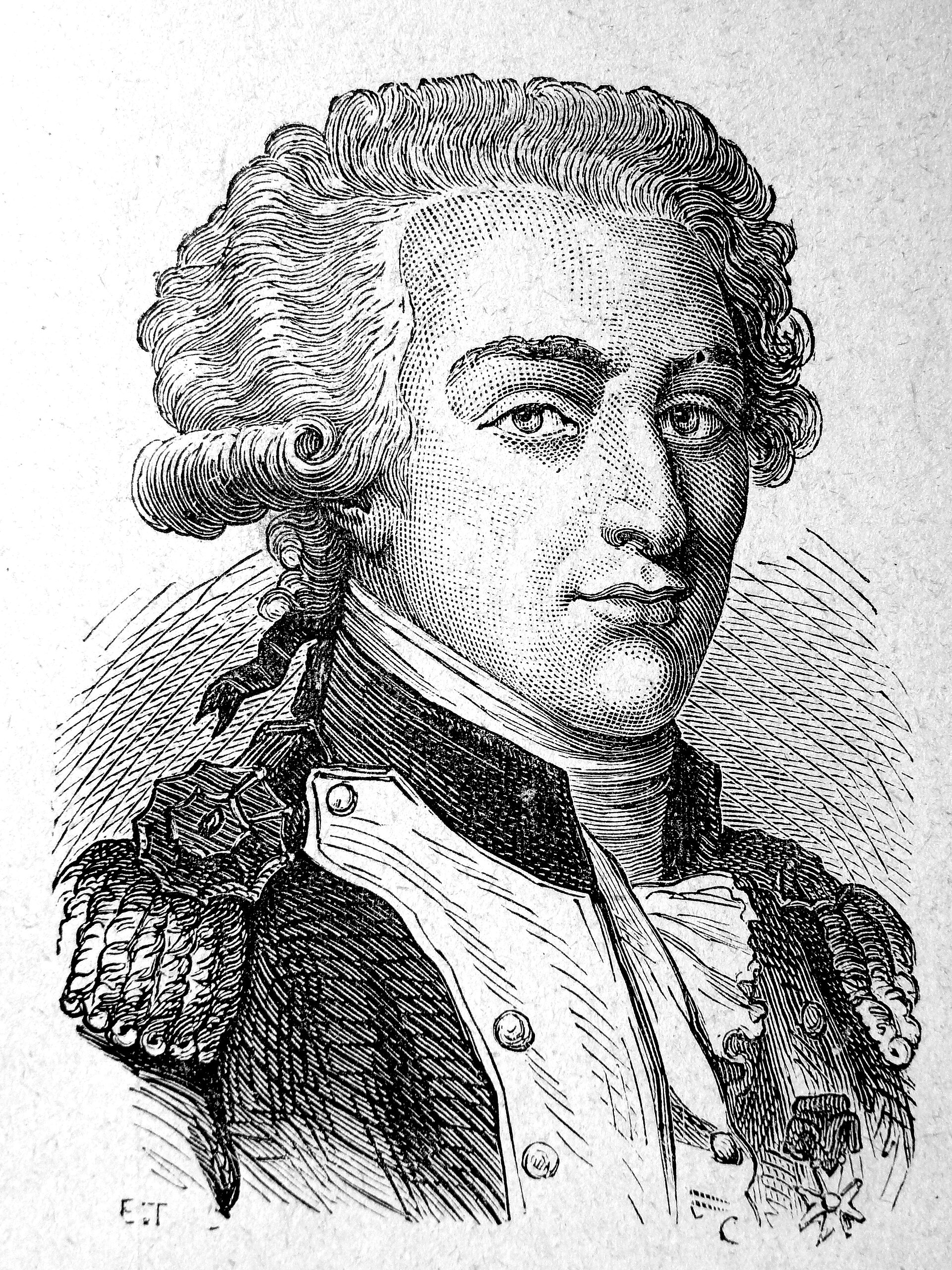
On July 31, 1777, the Continental Congress passed a resolution appointing the Marquis de Lafayette as a major general in the Continental Army, accepting his offer to serve without compensation. The young French aristocrat’s decision to cross the Atlantic was driven by an intense passion for the ideals of liberty, a sentiment that burned within him. By waiving any financial reward, the 19-year-old Lafayette proved to a skeptical Continental Congress that his allegiance was born of genuine conviction and shared belief, rather than opportunistic gain. While some in Congress initially viewed his commission as a diplomatic gesture to court French support, his selfless devotion quickly won over George Washington, forging a profound, almost father-son bond that would sustain them through the darkest, coldest winters of the war.
Lafayette’s arrival injected a necessary surge of hope and vitality into a rebellion that was bleeding resources and morale. His presence symbolized a vital connection to European sympathy, providing an enduring reassurance to the soldiers that their sacrifices were recognized across the ocean—a spirit that would famously sustain them months later during the grueling trials of Valley Forge. The rhythmic marching of the troops he would come to lead became a physical echo of a grander, international pulse—one where the romanticism of European chivalry combined with American grit to keep the flickering spark of independence alive.
