
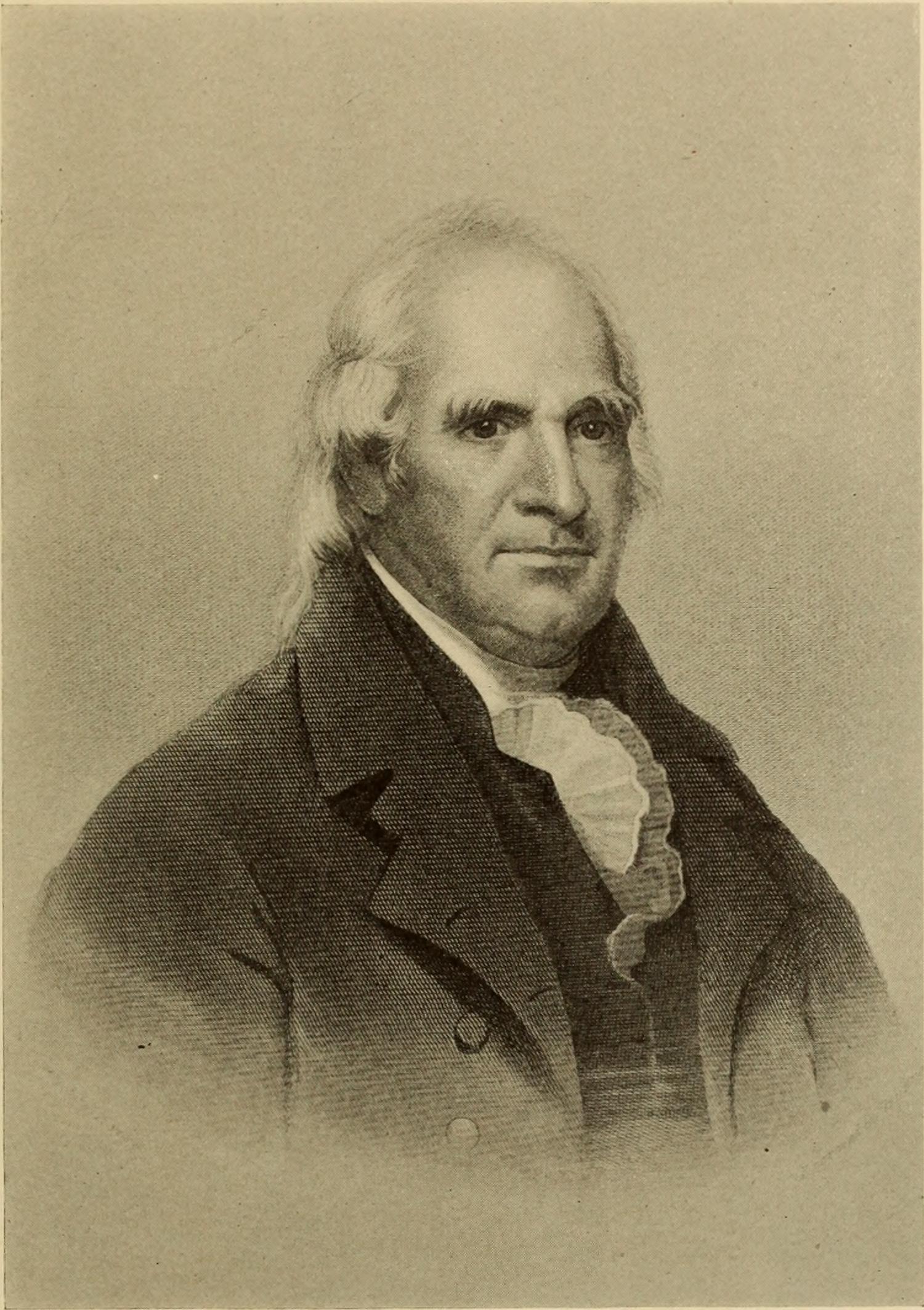
The fragile, war-weary state of New York found its first executive champion on July 30, 1777, when Brigadier General George Clinton officially took the oath of office as the state’s first elected governor. Navigating a landscape heavily occupied by British troops and deeply fractured by ideological divisions, Clinton accepted a burden that weighed immensely on his spirit. He knew that constructing a functional government mid-revolution required more than political theory; it demanded an unyielding personal dedication to the safety and morale of a deeply terrified civilian population.
Clinton’s emotional drive was fueled by a fierce, protective love for his home soil and an absolute disdain for aristocratic overreach. By actively refusing to govern from a distant, safe palace, he traveled directly to the frontlines, routinely commanding militia forces while simultaneously managing executive state affairs from makeshift capital buildings. This hands-on, gritty leadership style forged an unbreakable bond of trust with the state’s common farmers and laborers, transforming abstract notions of state sovereignty into a deeply personal fight for survival and dignity.
His enduring legacy is defined by a historic tenure that saw him become the longest-serving governor in American history, guiding New York through the fires of the Revolution and the complex birth of the early republic. Clinton’s lifetime of service demonstrated that the emotional foundation of American governance is established by leaders willing to share in the direct suffering of their people. His inauguration on this summer day marked the moment New York found its institutional heart, proving that resilient leadership can cultivate a sense of permanent belonging even in the shadow of war.
