
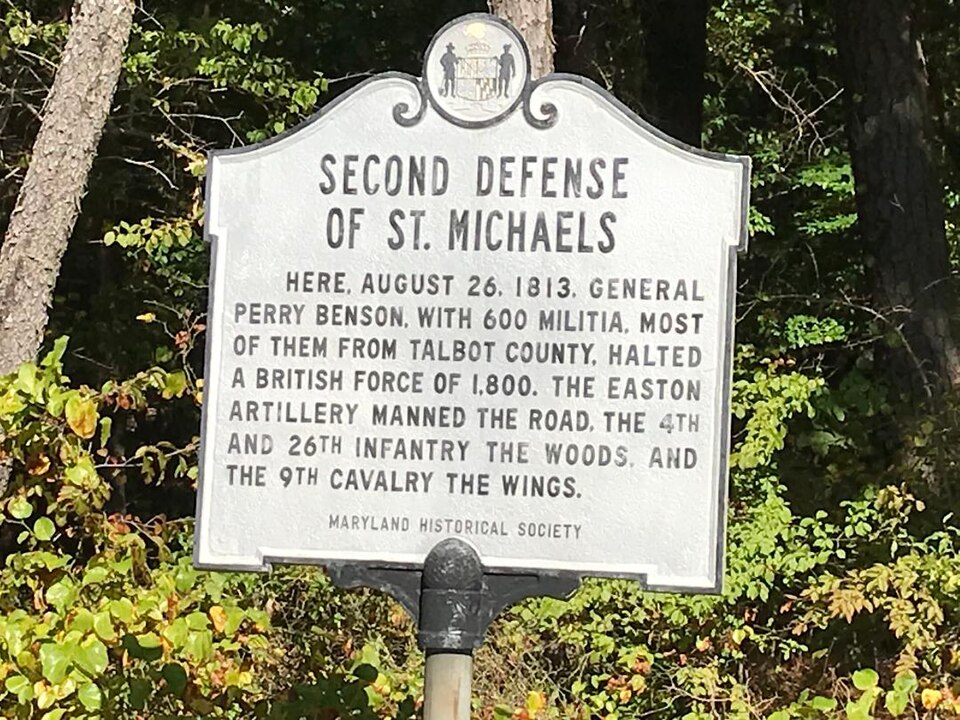
On August 26, 1813, during the War of 1812, Maryland militia units under the command of General Perry Benson successfully repelled a British invasion force nearly three times their size at the town of St. Michaels. The brief but decisive engagement protected the strategic shipyards along the Miles River, which manufactured the fast sailing privateers that systematically disrupted British commercial merchant fleets.
The defensive operation on August 26th relied on exceptional tactical discipline and regional terrain layout to neutralize the enemy’s overwhelming physical numbers. Moving silently under the cover of a dense morning fog, British barges attempted to execute a surprise amphibious landing behind the town’s outer perimeter. Benson’s local artillerymen held their fire until the enemy vessels closed within point-blank range, unleashing a precise, concentrated bombardment from their earthwork batteries that damaged the barges and forced an immediate British retreat.
The decisive victory became an immediate source of pride for the Chesapeake tidewater communities, proving that coordinated volunteer forces could comfortably hold their ground against elite imperial troops. By safeguarding the local shipyards from destruction, the militia guaranteed a steady supply of vessels for the American naval effort throughout the remainder of the conflict. The engagement remains a clear historical record of early defensive statecraft, illustrating how local knowledge could alter the strategic timetable of an invading fleet.
Image from TwoScarsUp via Wikimedia Commons, CC BY 2.0
