
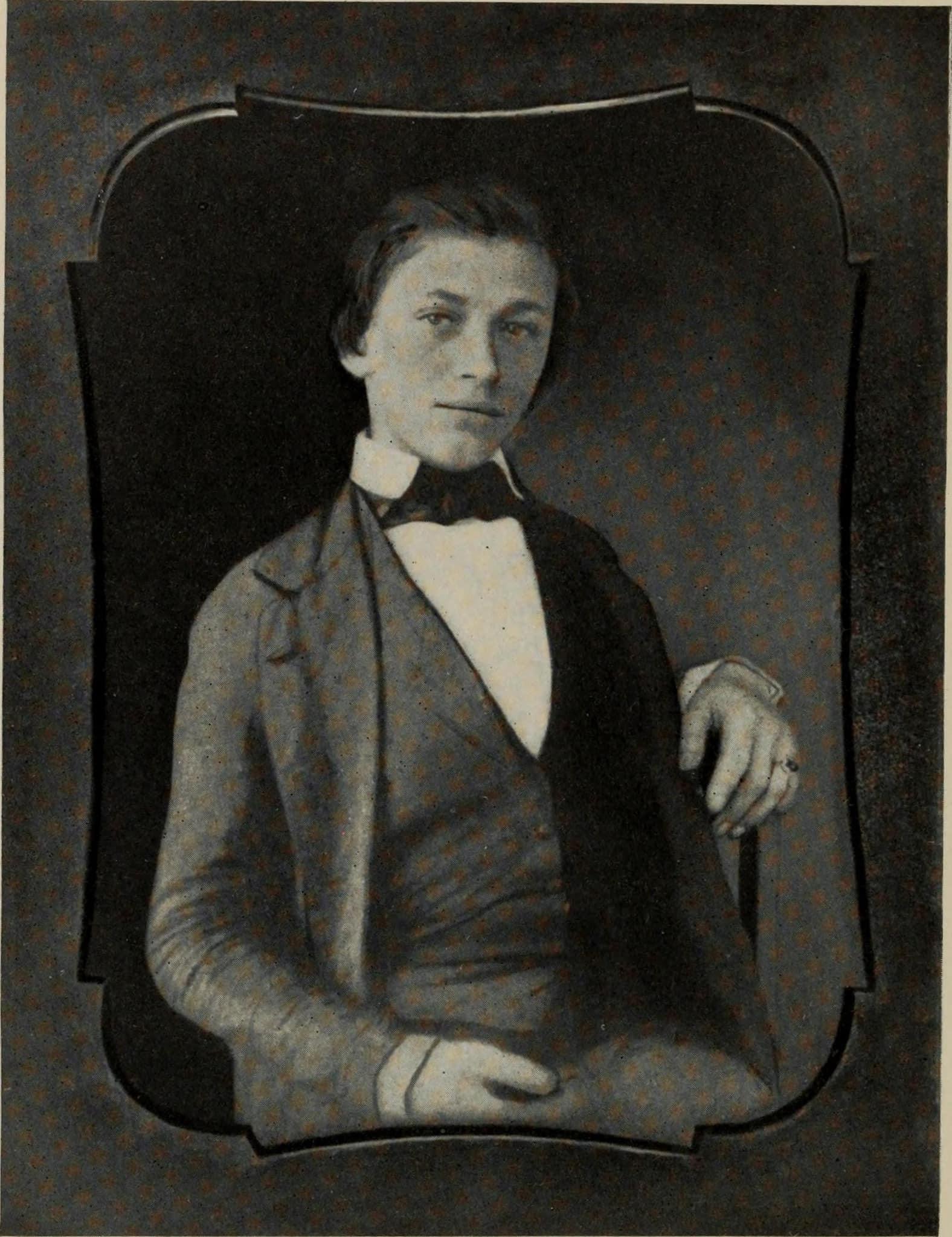
Born on October 11, 1835, in Esens, Germany, Theodore Thomas rose to become one of the most influential and consequential pioneers of orchestral music in American history. After immigrating to New York City with his family in 1845, the young violin prodigy quickly immersed himself in the city’s flourishing musical life. His formidable organizational talents and deep artistic conviction led him to establish the Theodore Thomas Orchestra in 1864—a traveling ensemble dedicated to bringing classical masterworks to audiences across the United States.
Thomas’s most enduring institutional achievement came in 1891, when he became the founding music director of the newly formed Chicago Orchestra, later known as the Chicago Symphony Orchestra. Under his rigorous standards and uncompromising artistic vision, the ensemble rapidly developed into one of America’s leading orchestras. Thomas also championed the creation of a permanent home for the musicians, culminating in the opening of Chicago’s historic Orchestra Hall, where he led the dedicatory concert on December 14, 1904.
On the anniversary of his birth, Thomas is celebrated as a transformative visionary who helped democratize classical music in America, expanding it from a largely elite pursuit into a vital public experience. His extensive touring—along routes popularly remembered as the “Thomas Highway”—introduced generations of Americans to symphonic music and helped lay the groundwork for the nation’s modern orchestral infrastructure. His legacy endures as a model of artistic excellence, discipline, and an enduring commitment to building a national musical culture.
