
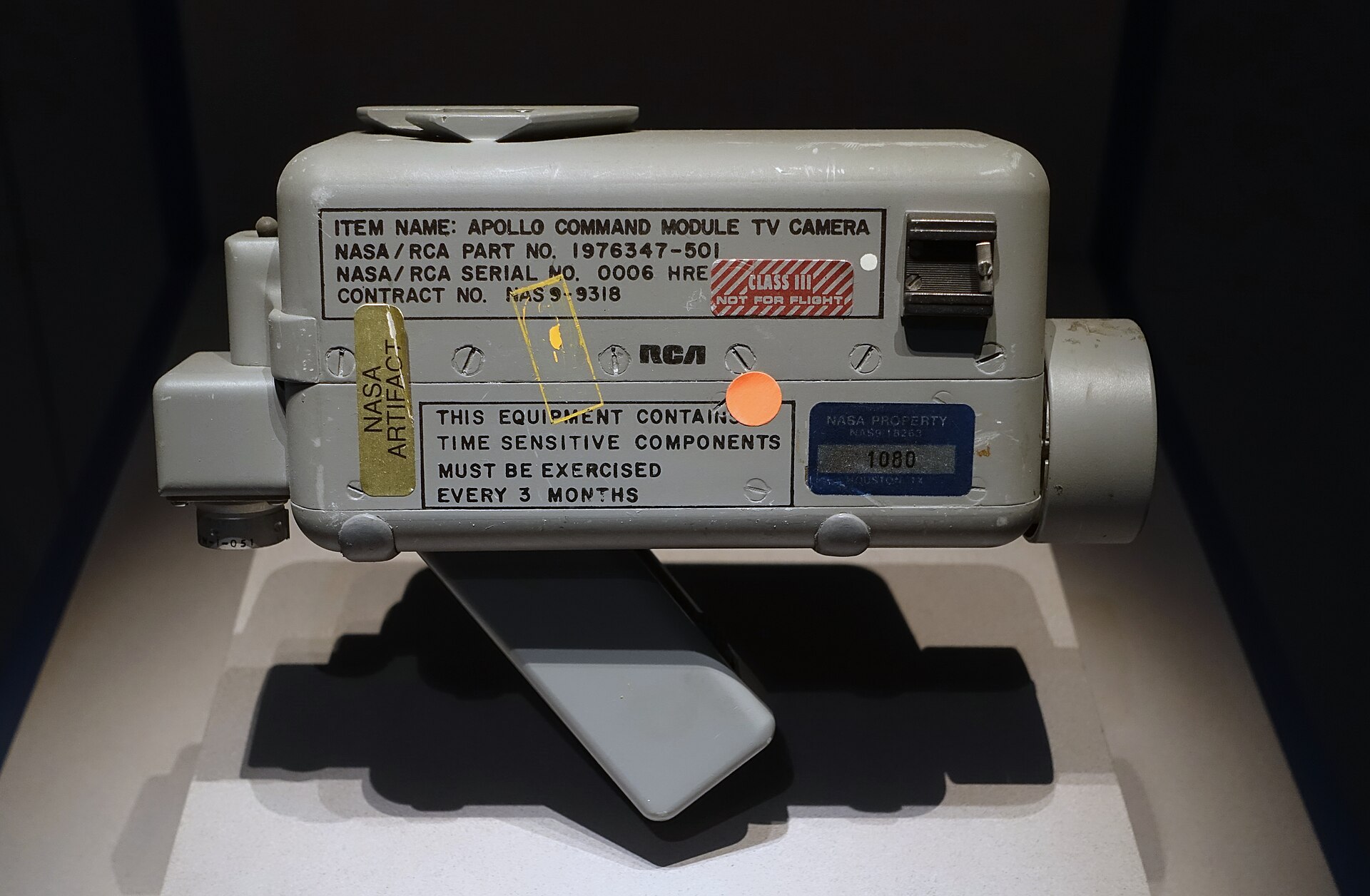
On October 11, 1968, the United States launched the historic Apollo 7 mission from Cape Kennedy, Florida, marking America’s return to crewed spaceflight. Crewed by Commander Walter M. Schirra Jr., Command Module Pilot Donn F. Eisele, and Lunar Module Pilot Walter Cunningham, the 11-day Earth-orbital mission was the first crewed flight of the Saturn IB rocket. The mission carried immense technical and psychological weight, serving as the first crewed test of the redesigned Block II Command and Service Module following the tragic 1967 Apollo 1 fire.
Apollo 7 achieved a major cultural and technical milestone through its integration of a lightweight, 4.5-pound RCA television camera, which transmitted the first live television broadcast from an American spacecraft. Because standard broadcast equipment was too heavy and power-hungry, RCA engineered a slow-scan television system that operated at just 10 frames per second with 320 scan lines to fit the spacecraft’s limited radio bandwidth. Operating without an onboard viewfinder or monitor, the astronauts relied on real-time aiming feedback from ground controllers to frame their shots.
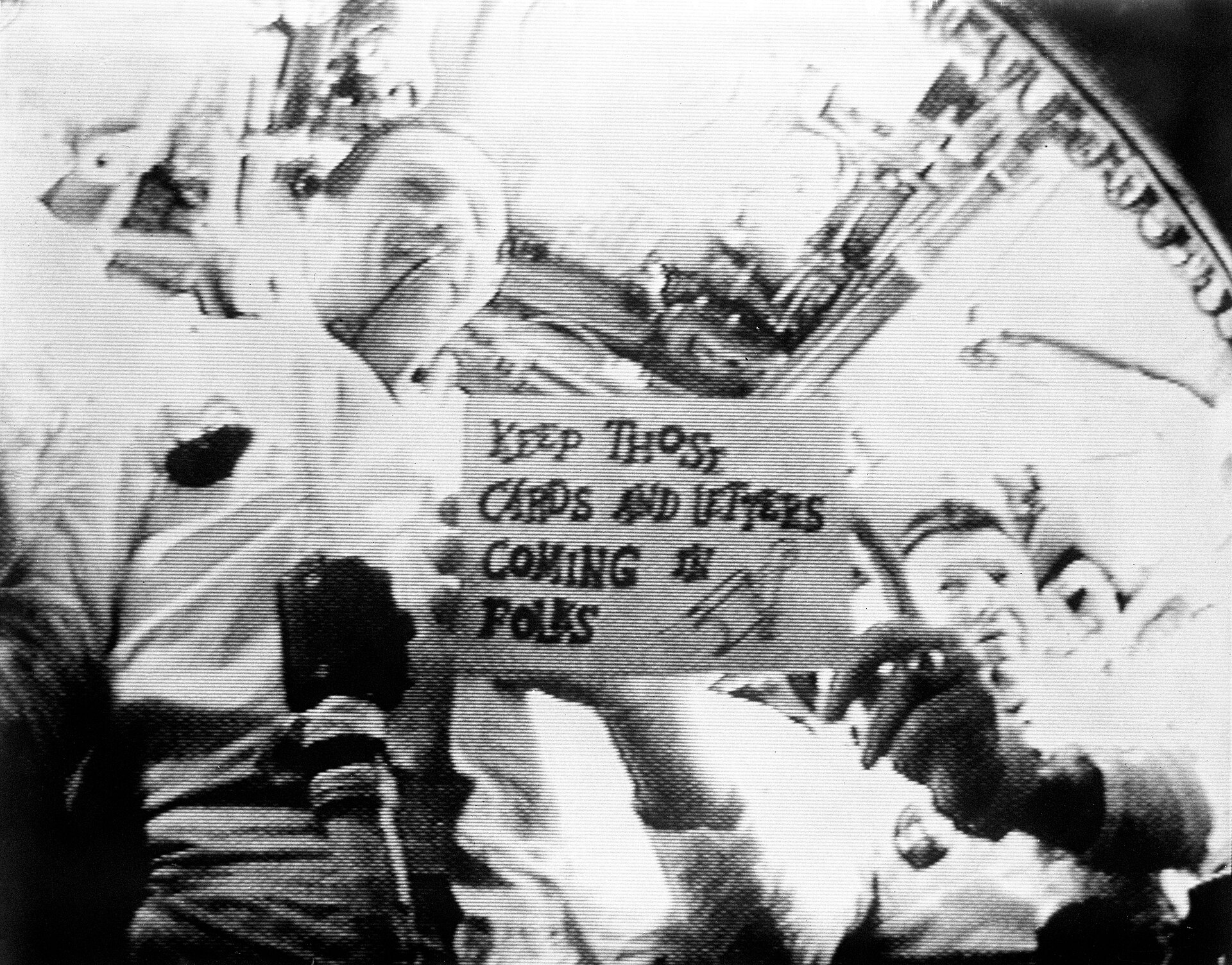
The resulting telecasts became a public sensation, humanizing the space program as the crew gave floating cabin tours and held up playful, handwritten cue cards for millions of viewers on Earth. The live transmissions were so successful at building public support that the crew later received a special Emmy Award for their pioneering broadcast achievements. The successful 163-orbit mission and its October 22 splashdown verified the safety of the redesigned hardware, clearing the path for NASA to launch Apollo 8 toward the Moon just two months later.
