
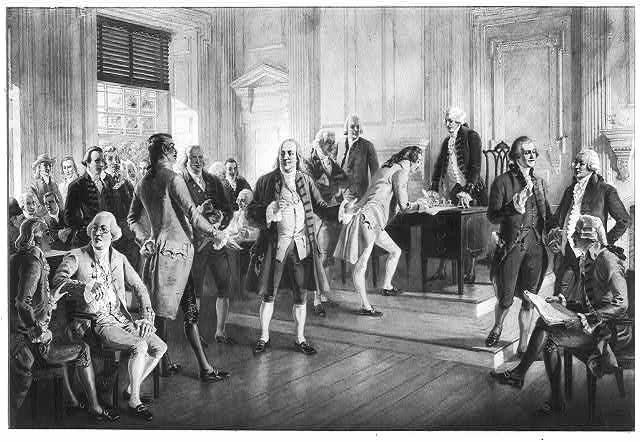
The Declaration of Independence was adopted on July 4, 1776—but the iconic signing of the parchment copy unfolded nearly a month later. As historical records confirm, “the great document was mainly signed by delegates on August 2, 1776.” That day was far from the unified, ceremonial moment many Americans imagine. Several men who fiercely debated and voted for independence—including John Dickinson of Pennsylvania and Robert R. Livingston of New York—never signed the parchment at all, having already left Philadelphia for military or political duties. Meanwhile, a handful of delegates who weren’t present for the July 4 vote proudly added their names weeks or even months later, meaning some signers never voted for independence, and some voters never signed it.
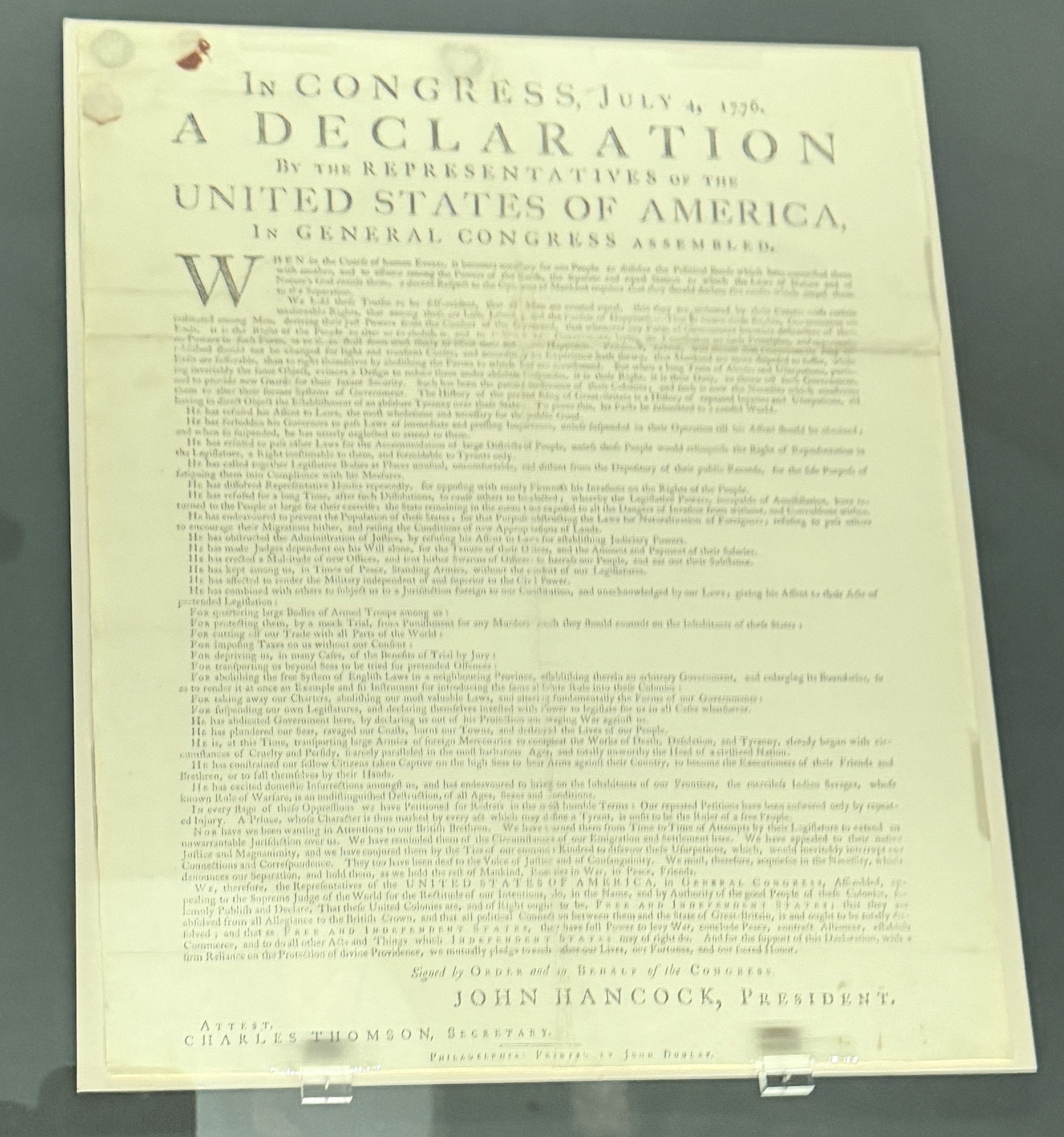
The most dramatic layer of August 2 was the intense secrecy surrounding the signers’ identities. Fearful of British retaliation against their families, Congress locked the signed parchment away, and for nearly six months the public saw only text‑only Dunlap Broadsides listing just John Hancock and Charles Thomson. Colonists remained largely unaware of who had actually risked their lives. Only in January 1777—after key American victories at Trenton and Princeton made retaliation less likely—did Congress finally authorize the Goddard broadside, publishing the full roster of names and revealing the men who had quietly committed treason in the name of independence.
