
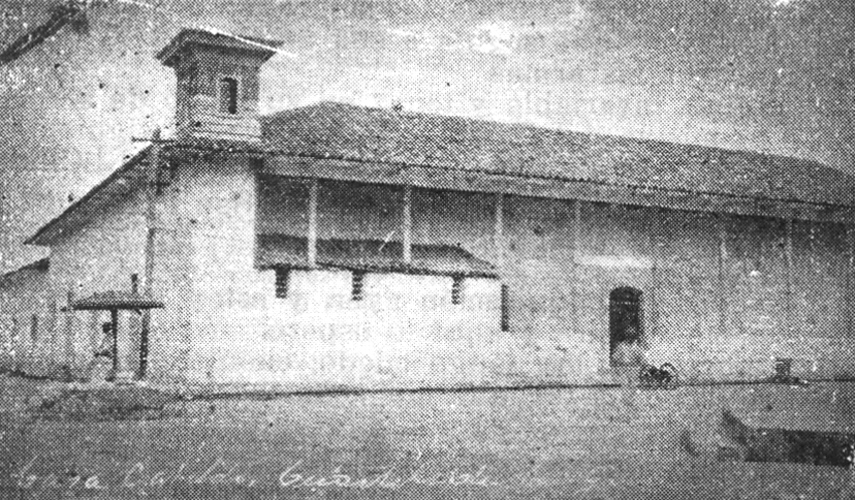
On July 16, 1927, a brutal, high‑stakes battle erupted in the remote mountains of Nicaragua when a tiny garrison of roughly forty U.S. Marines and Nicaraguan Guardia Nacional troops in the town of Ocotal came under massive assault by several hundred rebel fighters led by General Augusto César Sandino. Surrounded in adobe buildings they had hastily fortified, the outnumbered Marines executed a fierce defensive stand as waves of Sandinista fighters pressed in from the surrounding hills.
The groundbreaking tactical layer that turned this desperate fight into a historic milestone was the first coordinated dive‑bombing mission in U.S. military history. Recognizing that the garrison could not hold indefinitely, a squadron of Marine DH‑4 biplanes flew directly into the active battle zone, braving intense small‑arms fire. In a series of steep, near‑vertical dives, the pilots dropped fragmentation bombs onto rebel positions — a revolutionary form of close‑air support that shattered the assault and rescued the trapped defenders. The battle at Ocotal became a defining moment in the evolution of modern air‑ground warfare.
Image: Wikimedia Commons, public domain.
