
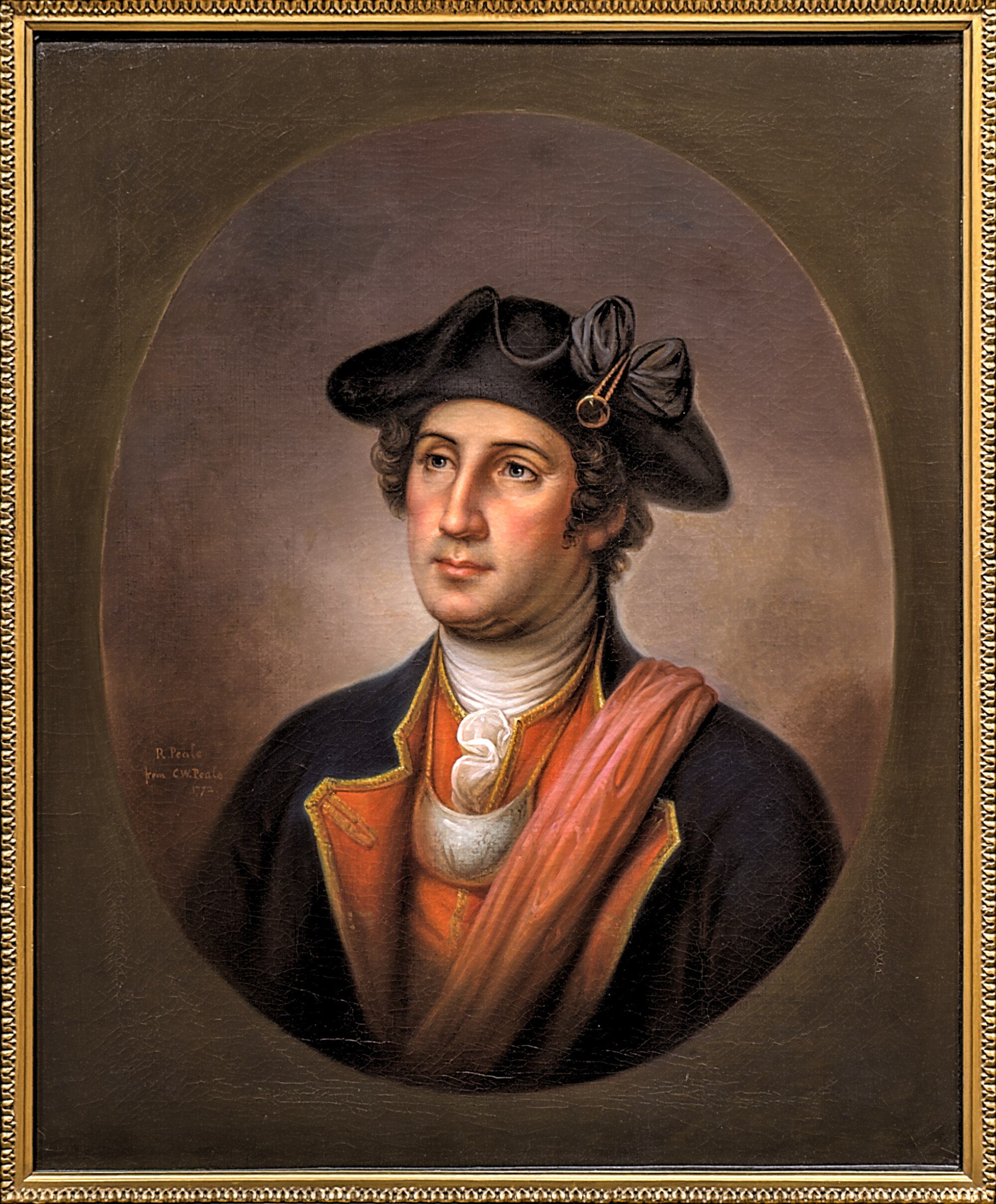
At just 25 years old, Colonel George Washington was tasked with defending a chaotic, terrified Virginia frontier during the French and Indian War. From his headquarters at Fort Loudoun, Virginia Colony, on July 29, 1757, he watched his raw, provincial militia struggle with desertion, panic, and a complete lack of structure. He knew a force without cohesion was not an army at all, but an armed mob, so he issued his famous directive declaring that “discipline is the soul of an army.” This order was not merely a list of rules for battlefield drills; it was an exercise in building a psychological and moral infrastructure.
Washington understood that true discipline transforms individual fear into collective resolve. By framing discipline as a force that “procures success to the weak,” he was actively shaping the raw emotional character of his men, instilling an elite mindset that would separate them from ordinary provincial troops. This early philosophy of leadership laid the groundwork for the Continental Army decades later. The “soul” Washington spoke of became the driving psychological engine of the American Revolution. His early frontier struggles taught him that an army’s ultimate strength lies not in its supply lines or numbers, but in the internal fortitude, shared trust, and mental resilience of its soldiers.
