
On August 10, 1846, the Smithsonian Institution was established when President Polk signed the act after a decade of debate.
The creation of the Smithsonian was triggered by an extraordinary, highly unusual act of international philanthropy that puzzled American politicians for years. James Smithson, a wealthy British chemist who had never once set foot on American soil, left his immense personal fortune to the United States of America to found an institution dedicated to “the increase and diffusion of knowledge among men.” When Smithson died without heirs, the federal government suddenly found itself in possession of over $500,000 in gold sovereigns, setting off a fierce, ten-year ideological battle in Congress over how to spend the funds.
Some traditionalist lawmakers argued that it was unconstitutional and beneath the dignity of the United States to accept a gift from a British aristocrat, while others fought bitterly over whether the money should fund a national university, an astronomical observatory, or a grand library. President James K. Polk’s signature on August 10th finally resolved the gridlock, creating a unique, federally chartered institution that synthesized all of those ideas into a sprawling complex of research laboratories and public museums, turning a lonely chemist’s strange bequest into the ultimate repository of American culture, science, and history.
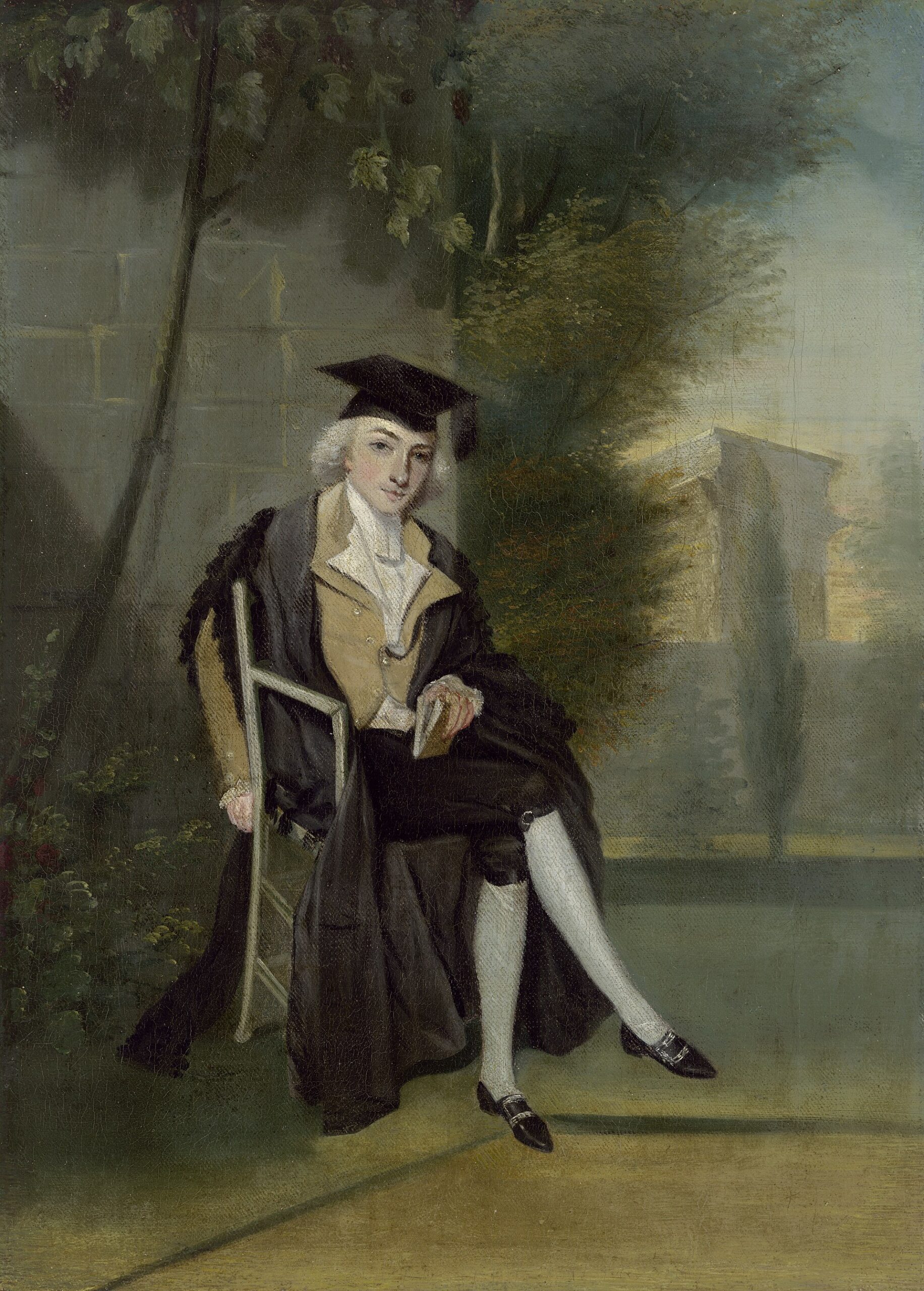
Image of James Smithson – Smithson was a British scientist who bequeathed his estate to his nephew who died without having any heirs. The funds were then transferred to The United States of America in accordance with Smithson’s will. via Wikimedia Commons, public domain
