
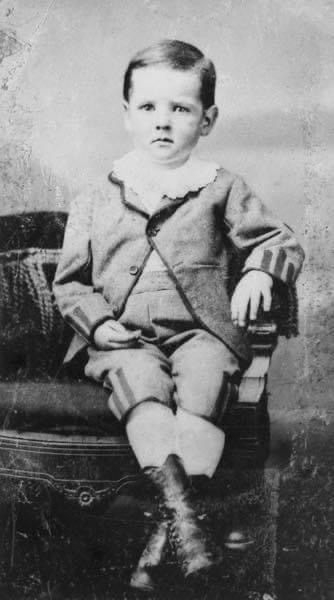
Born on this day in 1874: Herbert Hoover, 31st President of the United States. From orphaned Quaker boy in Iowa to global humanitarian and Stanford-trained engineer, Hoover rose to the presidency just before the Great Depression reshaped the nation. His legacy remains complex—marked by idealism, restraint, and the burdens of crisis leadership. “Freedom is the open window through which pours the sunlight of the human spirit and human dignity,” he said. A man of conviction and contradiction, Hoover believed in the moral power of public service—even when history cast him in shadow.
Long before he was widely blamed for the economic devastation of the Great Depression, Hoover was internationally revered as one of the greatest humanitarians of the 20th century. During and immediately following World War I, he engineered a massive, unprecedented relief apparatus that single-handedly fed over 11 million starving civilians across war-torn Belgium, France, and even Soviet Russia, utilizing his elite skills as a world-class mining engineer to manage complex global supply chains. His tragic undoing as president stemmed from his rigid, ideological belief that direct federal handouts would destroy the moral fabric of American self-reliance, a principled but catastrophic restraint that blinded him to the desperate, unprecedented realities of the economic collapse and permanently tarnished his legacy.
Image: Herbert Hoover c. 1877 via Wikimedia Commons, public domain
