
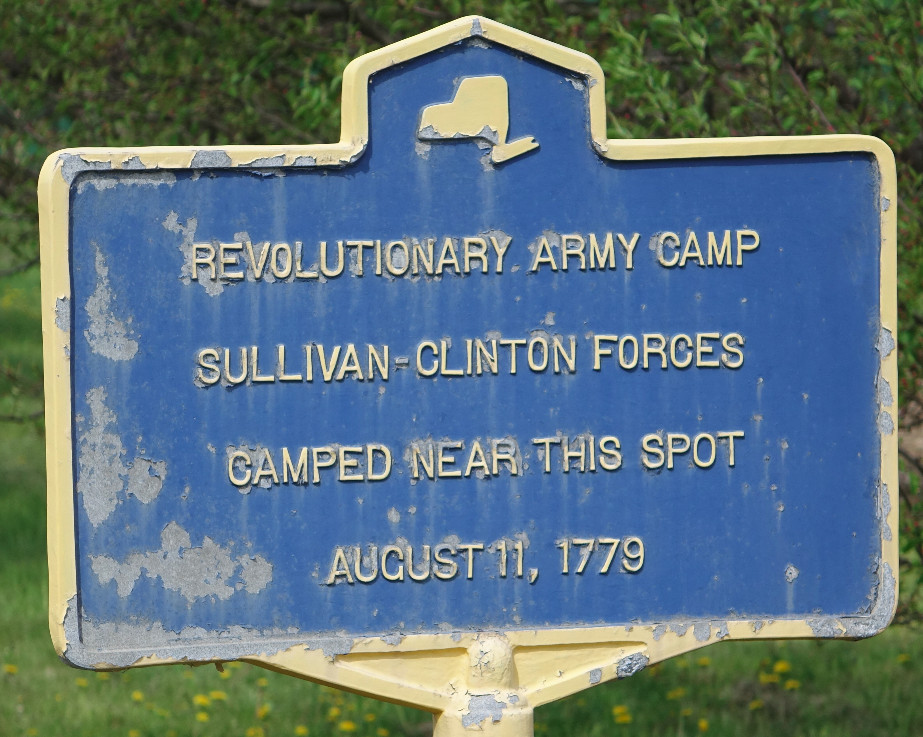
On August 11, 1779, a critical military encampment was established in Otego, New York, as the joint Sullivan-Clinton forces paused during one of the most brutal campaigns of the American Revolutionary War. Under the explicit, written orders of General George Washington, this massive military expedition was launched as an aggressive, retaliatory strike into the heart of the frontier. The operation was designed to neutralize the continuous, devastating raids launched by British loyalists and their Native American allies against vulnerable American forts and settlements throughout Pennsylvania and upstate New York.
Washington’s instructions to Major General John Sullivan were uncharacteristically severe, demanding the “total destruction and devastation” of the Iroquois settlements to render the region entirely uninhabitable. As the Continental troops marched through the fertile valleys, they systematically executed a relentless, highly organized scorched-earth policy across the countryside. Over the course of the campaign, the soldiers burned down more than forty prosperous Iroquois villages, destroyed orchards, and incinerated millions of bushels of essential crops.
This campaign permanently fractured the ancient political and military unity of the Iroquois Confederacy, forcing thousands of displaced Native Americans to flee toward British protection in Canada. The complete destruction of their food supply left the tribes vulnerable to the elements, resulting in widespread starvation and freezing during the historically brutal winter that followed. The marker at Otego stands as a somber monument to a military operation that secured the American frontier through total economic warfare.
