
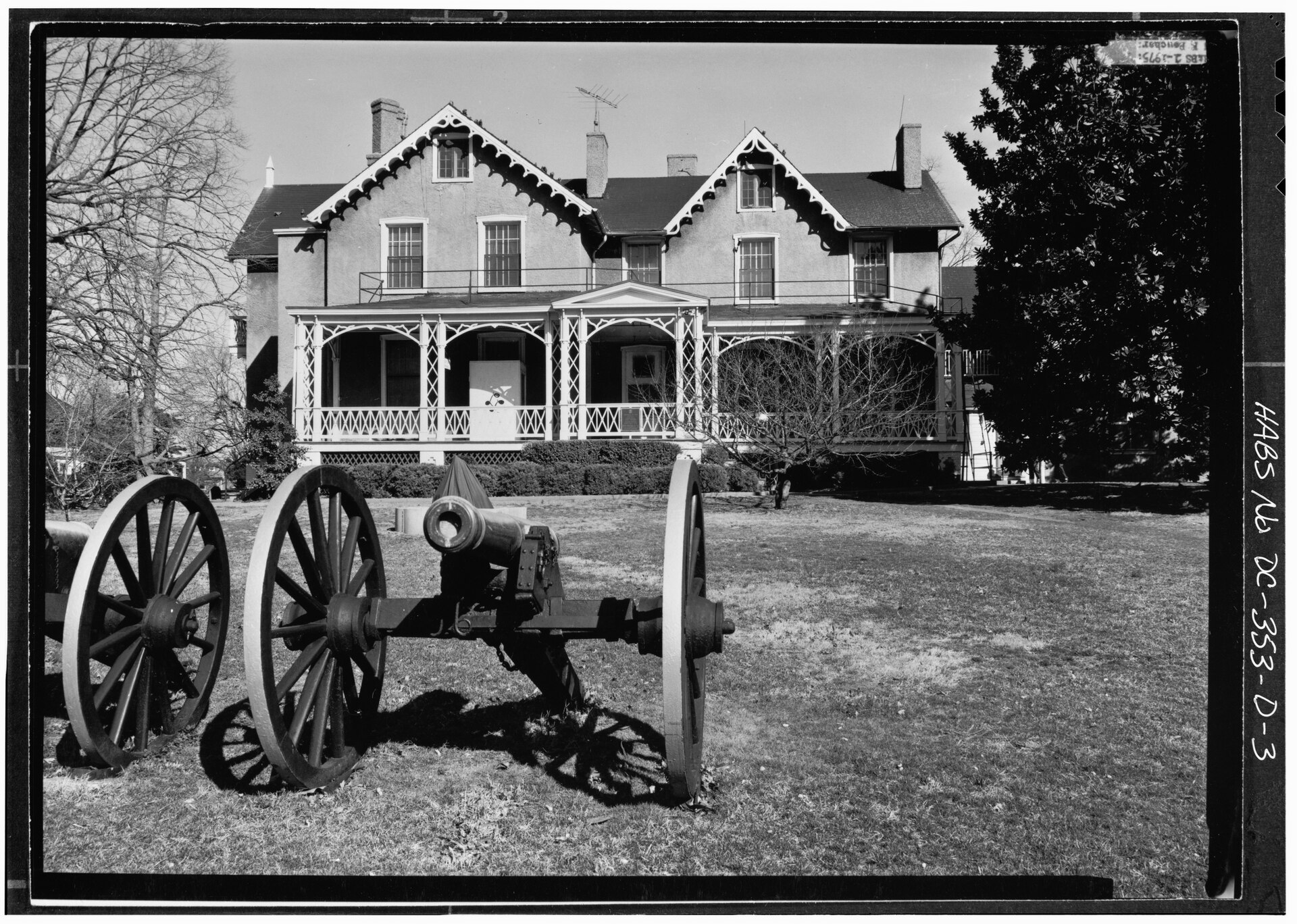
On June 13, 1862, the grieving Lincoln family left the sweltering, disease‑ridden White House and moved into Anderson Cottage, a quiet Gothic Revival mansion on the grounds of the Soldiers’ Home. The relocation came only months after the death of eleven‑year‑old Willie Lincoln, a loss that shattered both parents. Mary Lincoln, overwhelmed by sorrow and unable to bear the constant reminders inside the Executive Mansion, sought seclusion and relief from Washington’s oppressive summer air.
Though often called a “cottage,” the residence was a sprawling thirty‑four‑room retreat that became the president’s summer White House for the next three years. Each day, Lincoln rode the three miles back to his office to manage the Civil War, returning here for the solitude he needed to think, write, and grieve. In this quiet refuge on the hill, he drafted the earliest text of the Emancipation Proclamation, shaping the nation’s future from the porch of Anderson Cottage.
