
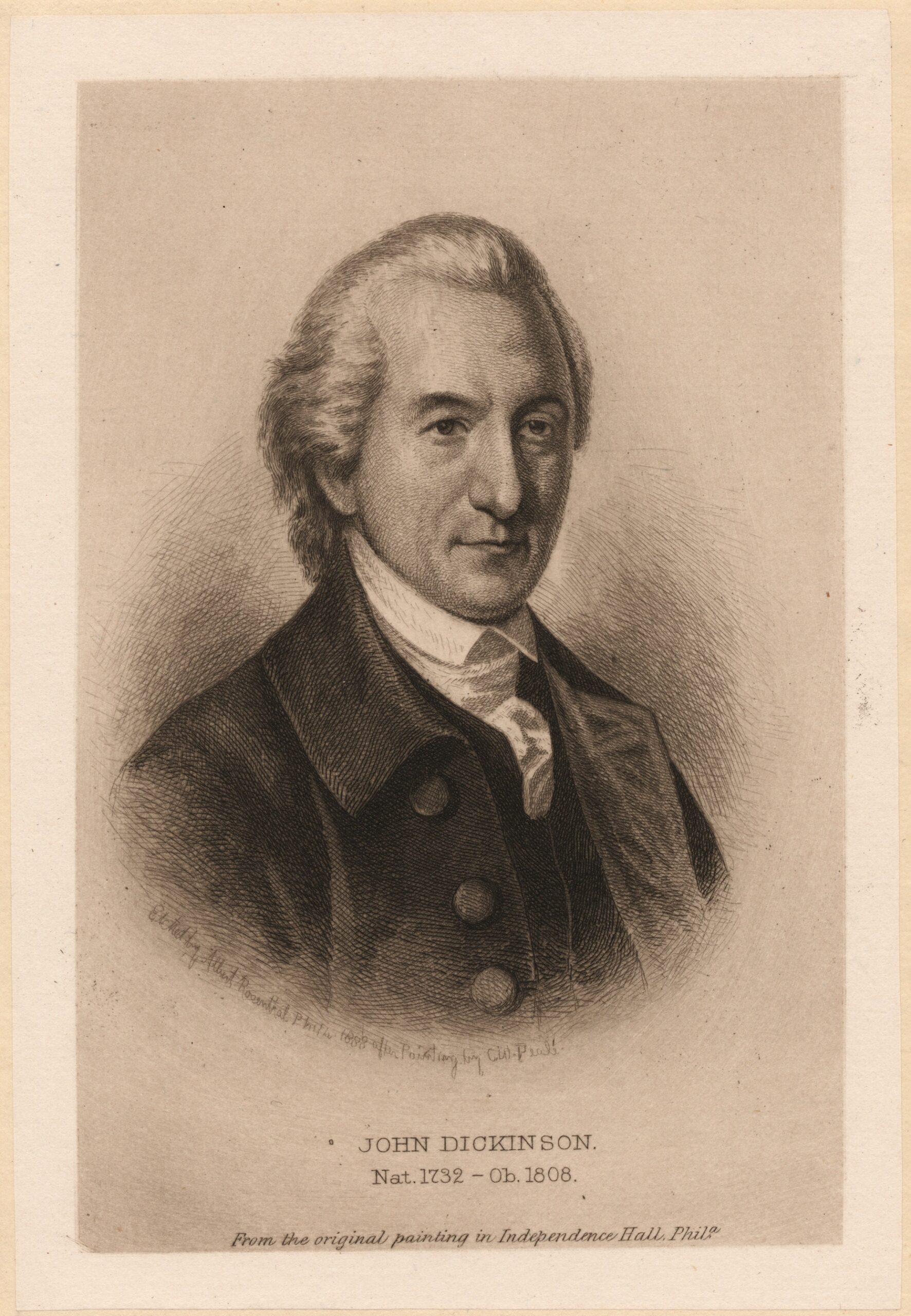
On July 5, 1775, the Second Continental Congress adopted the Olive Branch Petition, a final conciliatory appeal drafted by John Dickinson and addressed directly to King George III. The document affirmed the colonies’ loyalty to the Crown and pleaded for the King’s intervention to halt escalating military hostilities and repeal the punitive measures imposed on Massachusetts. Moderate delegates insisted on exhausting every diplomatic option to demonstrate that America sought peace, even as figures like John Adams condemned the effort as futile and believed that war was already unavoidable.
The devastating twist came when the petition reached London. King George III refused to receive or read it, his anger sharpened by the bloody fighting at Bunker Hill just weeks earlier. On August 23, 1775, he issued a royal proclamation declaring the colonies to be in a state of open and armed rebellion. This rejection slammed shut the final door to reconciliation, convincing moderates that peaceful diplomacy was impossible and that the imperial crisis could only be resolved through force.
By rendering the moderate position obsolete, the King’s refusal inadvertently unified the colonies and accelerated the political momentum toward independence. Within a year, the Continental Congress would adopt the Declaration of Independence, transforming a fractured protest movement into a full‑scale revolution for national sovereignty. Today, the Olive Branch Petition stands as a poignant monument to the last fragile moment before the break — a reminder of how a failed plea for peace can become the spark that ignites a nation.
Photo Source: Image via Wikimedia Commons, public domain
