
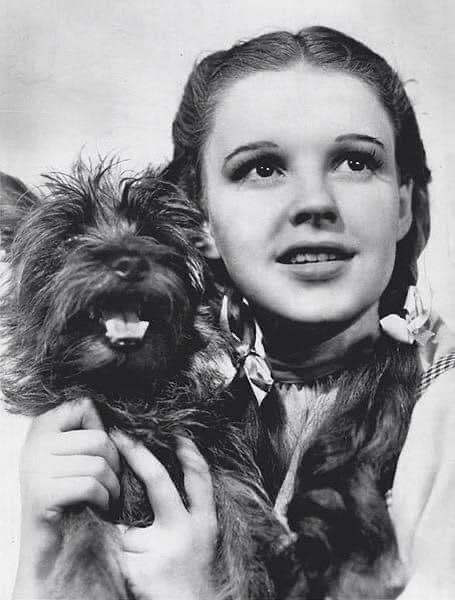
On August 12, 1939, three days before its glittering, star-studded Hollywood debut, Metro-Goldwyn-Mayer’s cinematic masterpiece The Wizard of Oz held its world premiere in the quiet, unexpected town of Oconomowoc, Wisconsin. Studio executives selected the small midwestern community and its local Strand Theatre for a highly secretive sneak preview, seeking an authentic, unbiased reaction from a traditional Heartland audience. The screening drew hundreds of astonished locals who crowded into the theater, completely unaware that they were about to become the very first members of the public to witness a film that would define American pop culture.
The choice of Oconomowoc was a calculated, brilliant marketing gamble engineered by MGM to test the emotional resonance of Dorothy Gale’s Kansas journey on the exact demographic it depicted. Executives were deeply anxious about how general audiences would react to the film’s innovative, jarring transition from sepia-toned realism to vibrant, saturated Technicolor, as well as its whimsical, high-concept fantasy elements. As the silver screen lit up and Judy Garland’s iconic voice filled the midwestern theater, the overwhelming awe, tears, and thunderous applause from the Wisconsin crowd provided the studio with immediate validation that they had crafted something truly magical.
This quiet, pre-Hollywood screening stands as a charming testament to an era when major studios deeply valued the unfiltered opinions of everyday Americans over the curated praise of industry insiders. The immense success of the Oconomowoc premiere gave MGM the confidence to launch their massive, aggressive national marketing campaign, culminating in the film’s legendary status as an enduring masterpiece of fantasy and music. For the residents who packed the Strand Theatre on August 12, a routine Saturday night movie turned into a historic encounter with cinematic immortality, proving that the road to the Emerald City ran directly through the heart of the American Midwest.
