
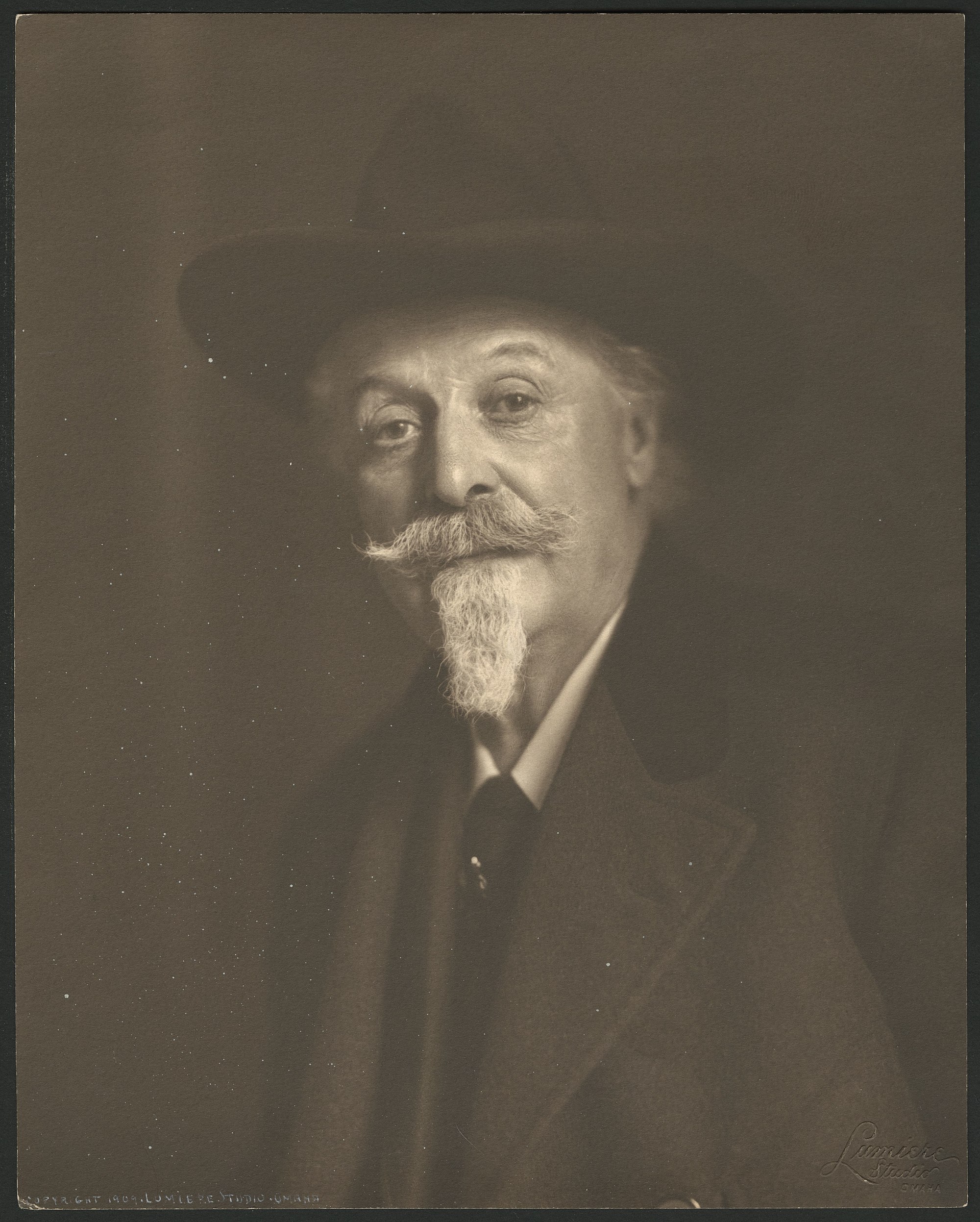
On July 23, 1913, a somber crowd gathered at a public auction in Denver, Colorado, as the iconic costumes, stagecoaches, and historical paraphernalia of Buffalo Bill’s Wild West Show were sold off to the highest bidder. William F. “Buffalo Bill” Cody, who had spent decades defining the global mythology of the American frontier, was facing financial ruin. The crushing debt was fueled by his heavy investments in the unprofitable High Jinks gold mine and a massive, struggling ranching venture in Arizona, forcing the aging showman to watch his life’s work dissected by liquidators.
The hidden, heartfelt irony of Cody’s financial collapse at the High Jinks mine is that his failure stemmed from a deep, romantic delusion about a frontier that had already vanished. Long after the Old West had been closed by barbed wire and industrial railroads, Cody poured millions into traditional, manual gold tunneling and old-school cattle ranching, stubborn in his belief that the rugged methods of his youth could still conquer the modern century. The 1913 auction was not just a liquidation of show props; it was the formal, bittersweet funeral of the 19th-century American West, proving that even its greatest hero could not outrun the ledger books of the industrial era.
