
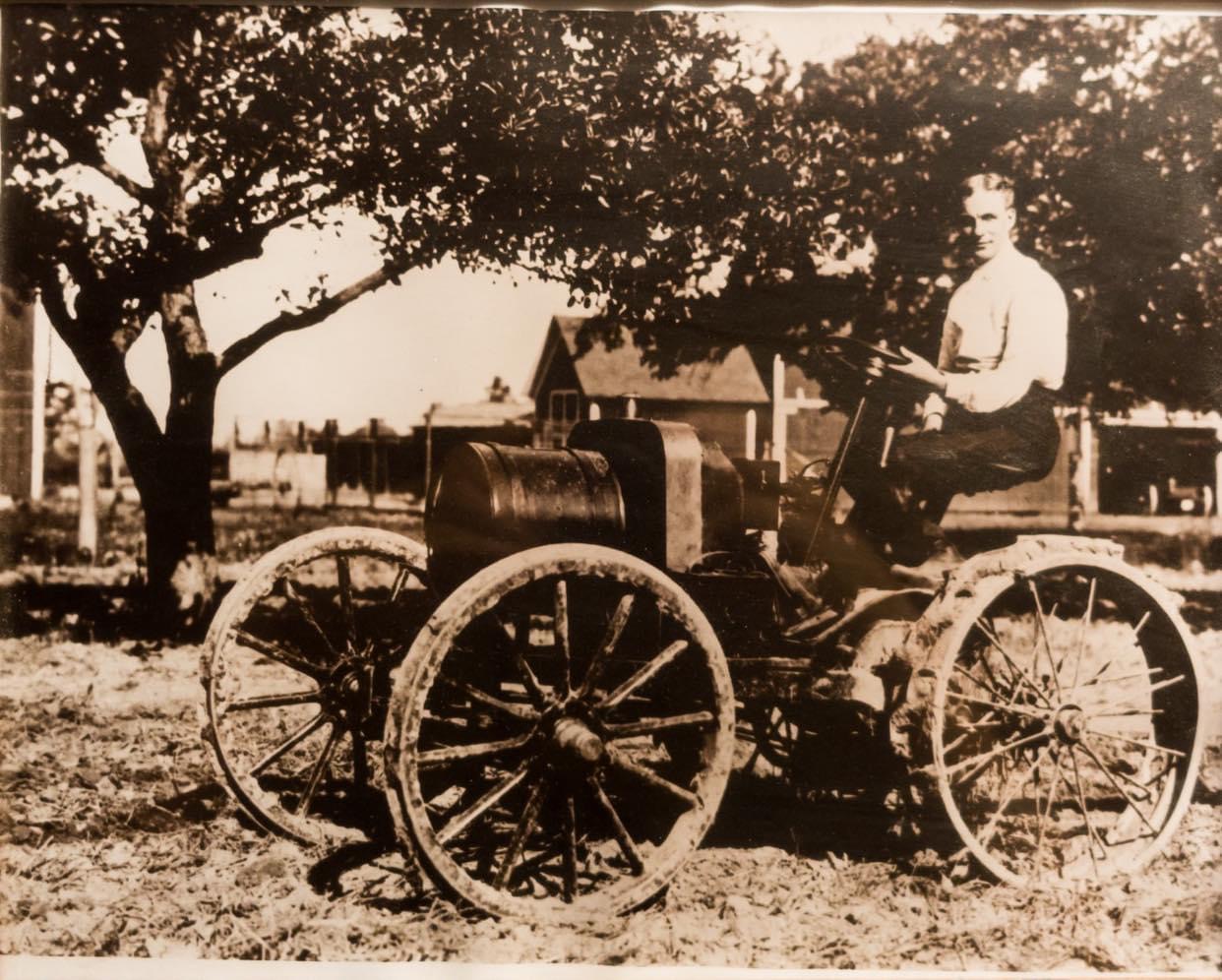
Born in Springwells Township, Michigan, on July 30, 1863, Henry Ford would grow up to possess a heart that was intensely divided between a deep nostalgia for the past and a ruthless drive toward the future. Raised on a traditional homestead, Ford harbored a lifelong romantic affection for the simple, agrarian rhythms of early America. Yet, his mechanical genius compelled him to build the very assembly lines and mass-production systems that would tear that old world apart.
Ford’s emotional drive was fueled by a desire to ease the crushing physical burdens of the working class. When he designed his early automobiles and his signature Fordson tractors, his internal motivation was to liberate human beings and animals from the soul-crushing labor of the fields. He wanted to give the common man the freedom of mobility, an ambition rooted in a democratic love for the everyday laborer.
However, the tragedy of Ford’s legacy lies in the emotional alienation his innovations inadvertently created. By reducing human work to repetitive, ticking tasks on a factory floor, he helped sever the artisan’s emotional connection to their craft. Throughout his later life, Ford spent millions creating Greenfield Village—a historic museum explicitly designed to preserve the pre-industrial world he had altered—revealing a heart that was forever trying to buy back the simplicity it had revolutionized away.