
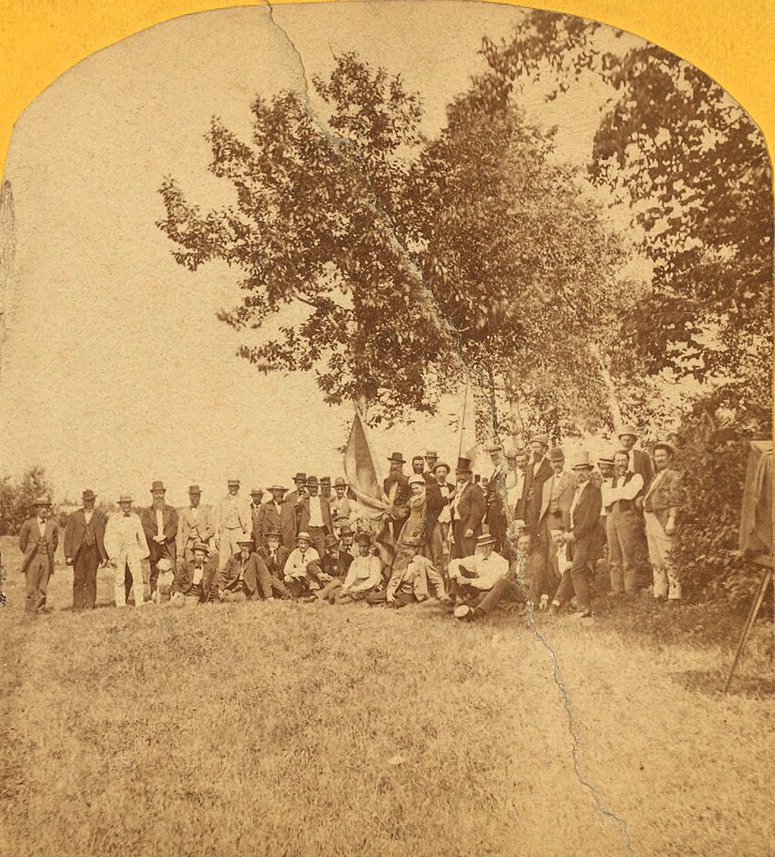
When the aging veterans of the 5th Maine Regiment gathered in Portland, Maine, for their post-war reunion on July 30, 1873, the atmosphere was thick with a specialized kind of grief and affection that only survivors of total war can understand. Between 1861 and 1864, these men had marched together through America’s bloodiest crucible, watching friends and brothers fall at Antietam, Fredericksburg, Gettysburg, and the Wilderness. A decade after the guns fell silent, their hearts remained permanently tethered to those battlefields.
For these veterans, a reunion was not a celebratory party; it was an emotional necessity for healing. The civilian world could not understand the sudden terrors, the lingering nightmares, or the profound survivor’s guilt that plagued their daily lives. By looking into the eyes of the men who had stood beside them in the trenches of Petersburg, these fractured soldiers find a safe space to acknowledge their invisible wounds and express a vulnerability they hid from the rest of the world.
The history of the military heart is found in this fierce, lifelong camaraderie. The 5th Maine Association proved that while governments declare wars and generals map out strategies, it is the ordinary soldier who bears the emotional cost. Their enduring bond showed that the love shared between comrades in the shadow of death is often stronger and more resilient than the very forces that attempted to destroy them.
