
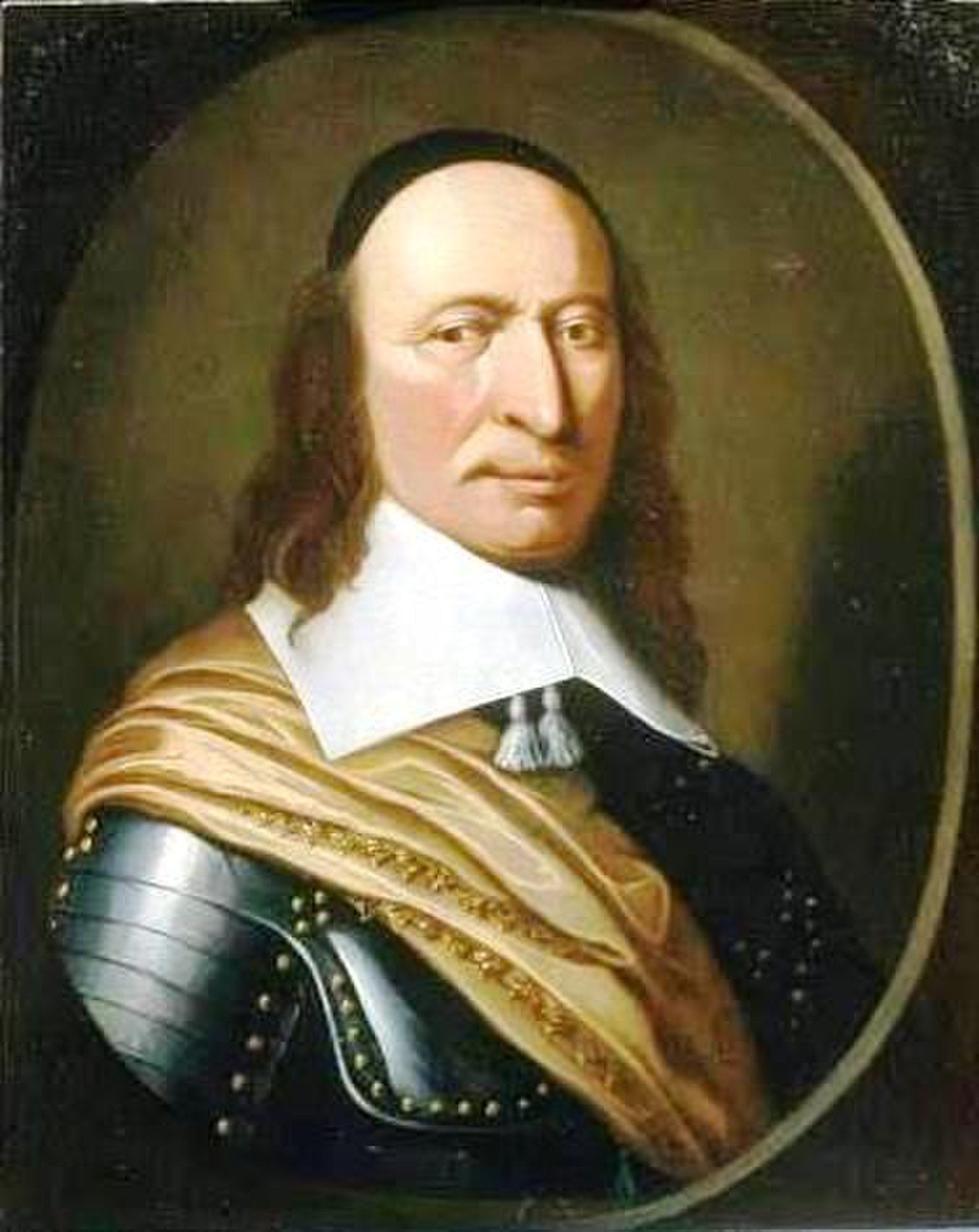
October 4 has long been associated with the commemoration of America’s early volunteer-firefighting tradition. In 1648, Dutch Director-General Peter Stuyvesant and the Council of New Netherland established one of colonial North America’s earliest organized systems of municipal fire prevention by appointing four fire wardens in New Amsterdam, the settlement that would become New York City. The original ordinance was enacted in late January 1648, while October 4 became associated with later commemorations of the volunteer-firefighting tradition, including the 1948 U.S. postal stamp marking its 300th anniversary.
Facing the ever-present danger of fire in a compact settlement where wooden chimneys, thatched roofs, and other combustible materials were common concerns, officials named Adriaen d’Keyser, Thomas Hall, Marten Crigier, and George Wolsey as fire wardens. Their job was not simply to respond after a blaze began, but to prevent one: they inspected chimneys and enforced safety regulations in the area between Fort Amsterdam and the Fresh Water.
Residents whose chimneys had not been properly swept could be fined three guilders per chimney. The ordinance also prohibited the construction of new wooden chimneys in the designated area, and it imposed a much steeper 25-florin penalty when a fire caused by negligence damaged a neighbor’s property. Revenue from the fines was reserved for communal fire equipment, including ladders, hooks, and buckets.
This was not yet a modern fire department or a fully developed volunteer company. It was, however, a crucial institutional step: a public system of inspection, regulation, penalties, and shared equipment designed to stop fires before they spread. The wardens’ work helped lay an early foundation for the organized fire-prevention and firefighting systems that later developed in New York City and across America.
Image credit: Historical portrait illustration of Director-General Peter Stuyvesant, via Wikimedia Commons, public domain.
