
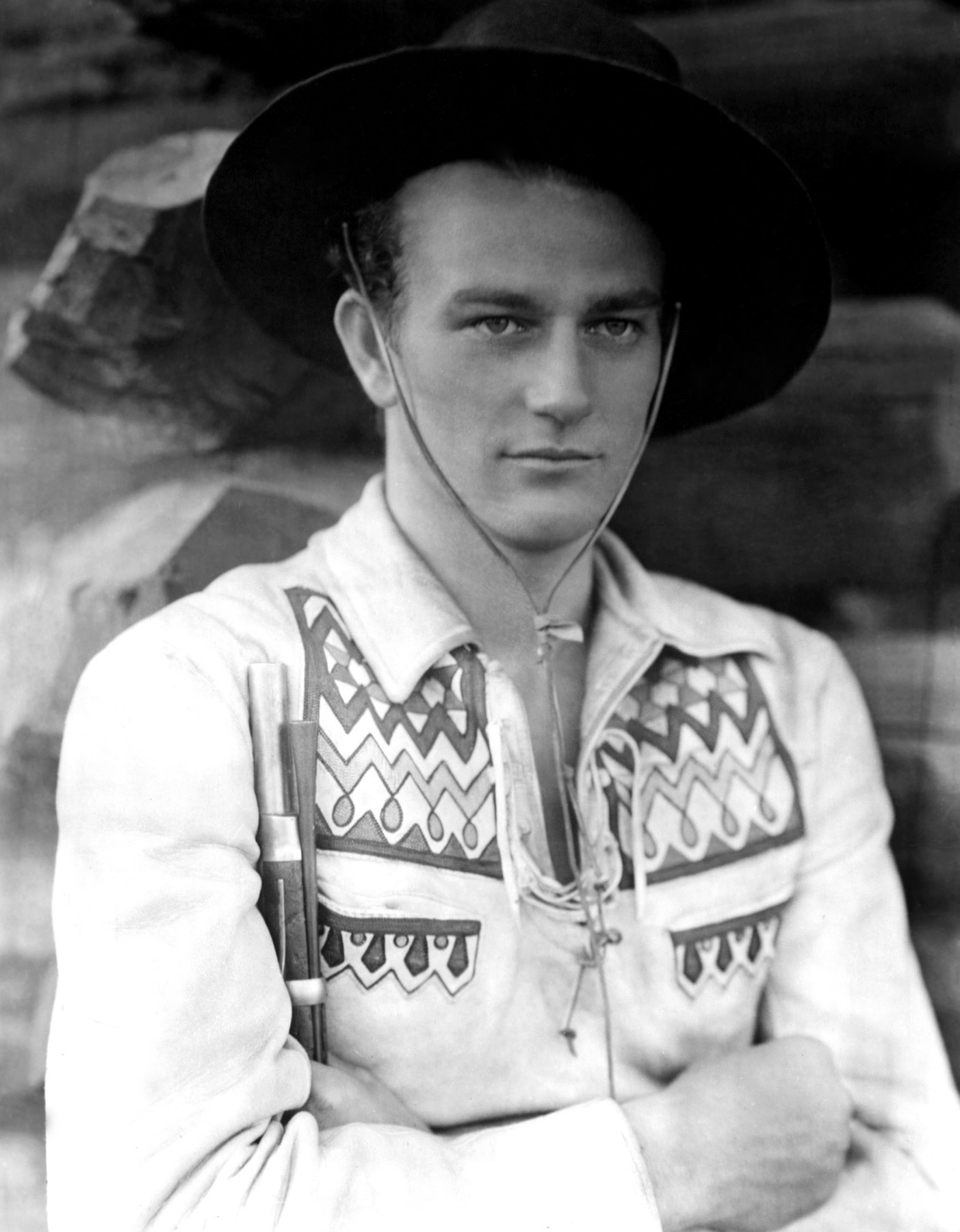
On June 11, 1979, John Wayne — born Marion Morrison in Winterset, Iowa, and raised in the working‑class neighborhoods of Southern California — died of stomach cancer at the age of seventy‑two in Los Angeles. Over more than five decades and more than 140 films, Wayne became the defining cinematic embodiment of the American frontier: a towering, broad‑shouldered figure whose slow drawl, deliberate stride, and unshakable sense of duty shaped the world’s understanding of the Western hero.
His performances in films such as Stagecoach and The Searchers helped establish the modern mythology of the West, presenting a vision of stoic courage, moral clarity, and rugged independence that resonated deeply with mid‑century America. To millions, Wayne was not merely an actor but a cultural touchstone — a symbol of the values the nation believed it possessed at its best.
Even as he endured a decade‑long battle with cancer, Wayne projected the same iron resolve that had defined his screen persona. Admirers saw in his struggle a reflection of the grit he had portrayed for generations. Just weeks before his death, Congress awarded him the Congressional Gold Medal, recognizing a career that had profoundly shaped American popular culture and the global image of the American character.
