
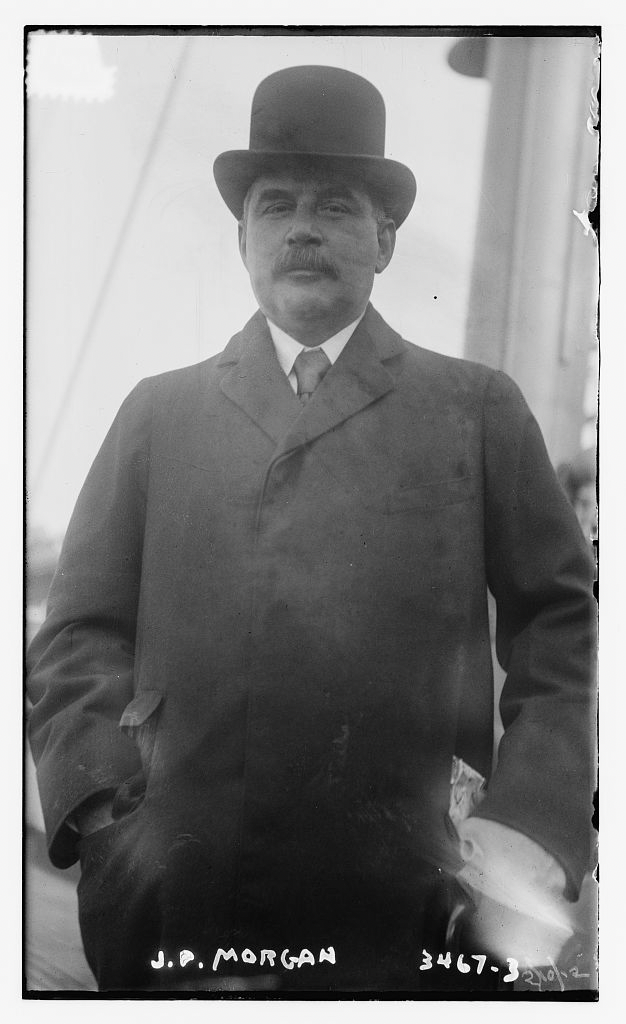
On September 7, 1867, international financier, banker, and philanthropist John Pierpont “Jack” Morgan Jr. was born in Irvington, New York. After his father’s death in 1913, he assumed control of J. P. Morgan & Co. During World War I, Morgan Jr. played a central role in arranging major loans and procurement for the Allied governments.
Morgan Jr.’s influence extended beyond finance. In 1920, he offered his London residence, 14 Prince’s Gate, to the United States government. Congress formally accepted the gift in 1921, giving the United States its first permanent, government-owned embassy residence in Great Britain. Until then, American ambassadors in London had generally occupied leased private homes, making the arrangement dependent on temporary accommodations and often personal resources.
Over the following decades, the Hyde Park–facing townhouse served as the official residence of a succession of U.S. ambassadors, including Charles Gates Dawes and Joseph P. Kennedy. During Kennedy’s ambassadorship, it was also the London childhood home of his son, future president John F. Kennedy.
Morgan’s donation illustrates the close relationship between private wealth and public diplomacy in the early twentieth century. It gave the United States a durable institutional foothold in London and helped establish an enduring official setting for one of America’s most important diplomatic posts.
Image of J. P. Morgan Jr. via Wikimedia Commons, public domain.
