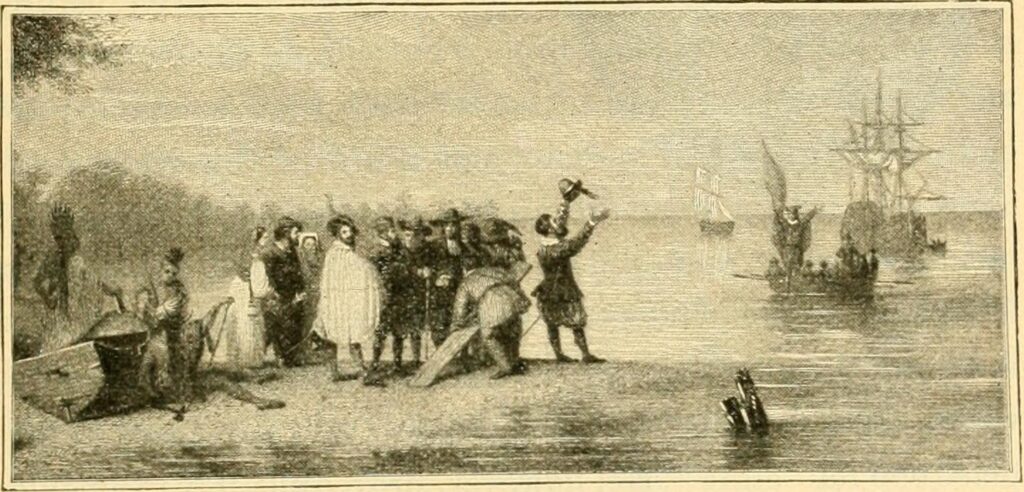
1607 (Colonial America): On what we now call May 24, English colonists established Jamestown—the first permanent English settlement in North America. At the time, their logs read May 14. England still used the Julian calendar, lagging ten days behind continental Europe. Converted to modern time, their landing falls on May 24, a fitting twist for a place whose history nearly vanished.
Jamestown’s story is full of uncanny layers. For centuries, historians believed the original 1607 fort had been swallowed by the James River. Maps contradicted each other, shorelines shifted, and generations of scholars declared the site lost.
Then, in the 1990s, archaeologists uncovered faint postholes—tiny soil shadows—matching the exact footprint of the triangular fort described in 17th‑century journals. The fort had survived erosion by mere yards. Beneath the foundations of a later brick church, they found the footprint of the 1617 wooden church, the very building where America’s first representative assembly met in 1619.
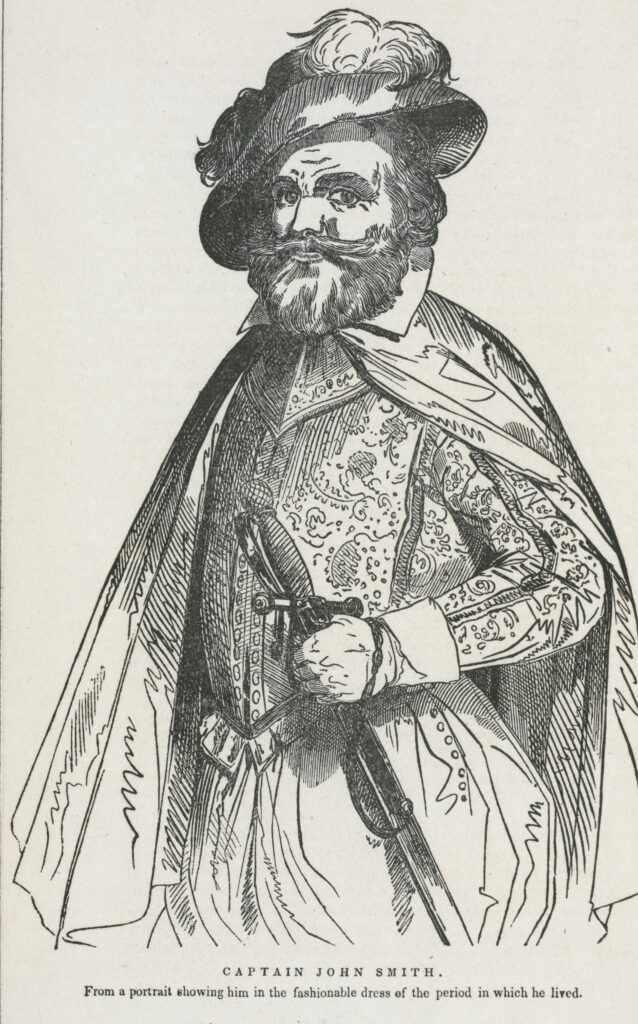
At the center of the colony’s initial survival was Captain John Smith. He didn’t arrive as a hero; he stepped onto Virginia soil in chains, accused of mutiny. Yet within months, he became Jamestown’s most capable leader, mapping the Chesapeake and keeping the settlement alive.
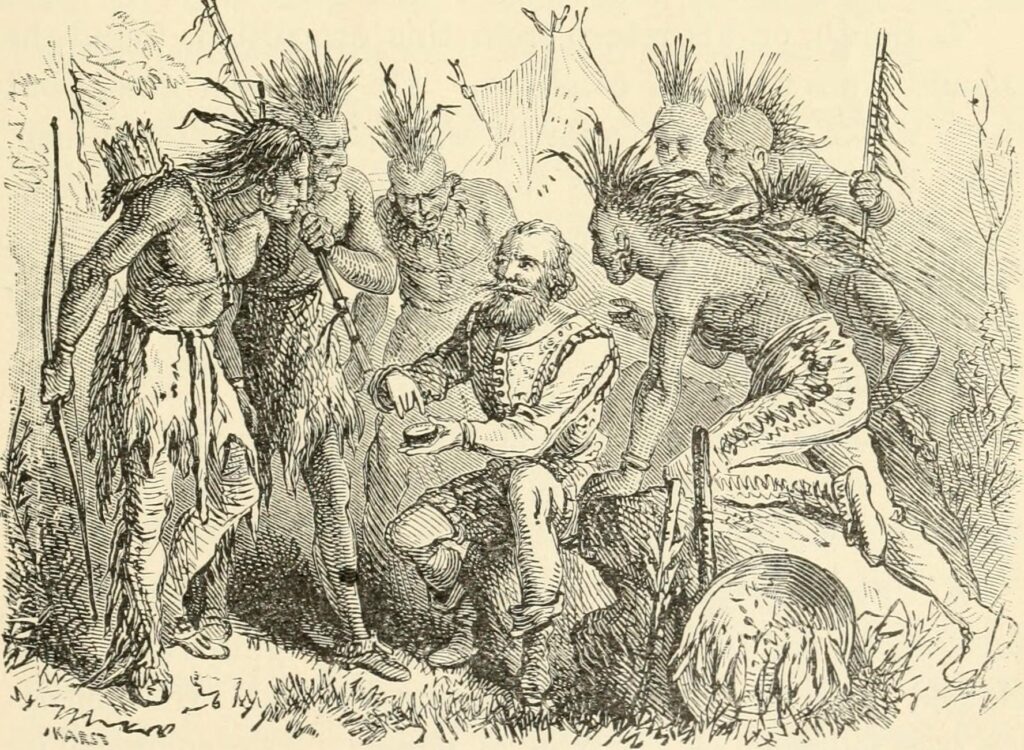
But survival hung by a thread. After Smith was injured and returned to England in 1609, the colony collapsed into the “Starving Time” winter. In 2013, archaeologists uncovered the remains of a 14-year-old girl—dubbed “Jane”—bearing the unmistakable marks of survival cannibalism. It was the first physical proof of Jamestown’s darkest whispered truth.
Jamestown didn’t hide itself on purpose. It simply slipped through the cracks of time, from a date that shifted by ten days to a fort that nearly washed away. May 24 is the modern date that brings the story back into alignment, honoring a settlement that survived by the thinnest margins and refused to disappear.