
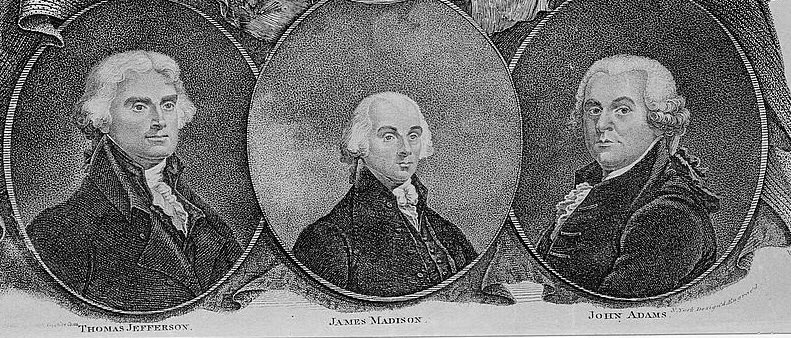
On July 14, 1798, the Federalist-led Sedition Act silenced dissent in a young republic, criminalizing criticism of the government under the guise of national security. Though President John Adams signed the act, his stance remains debated—some accounts suggest reluctant acquiescence, others cite later defenses as signs of conviction. Jefferson and Madison led the counter-response, framing free expression as the soul of republican liberty.
Enforcement was anything but abstract: Congressman Matthew Lyon was jailed for accusing Adams of ‘ridiculous pomp’ and ‘selfish avarice’—yet won reelection from his cell. Meanwhile, a drunken boatman named Luther Baldwin was fined and jailed for joking that a cannon salute might hit Adams ‘in the arse.’ The law’s expiration in 1801 marked not just a political shift, but a lasting lesson in balancing national security with constitutional freedom.
Image via Library of Congress, no known restrictions
