
 Mystery March Is Here!
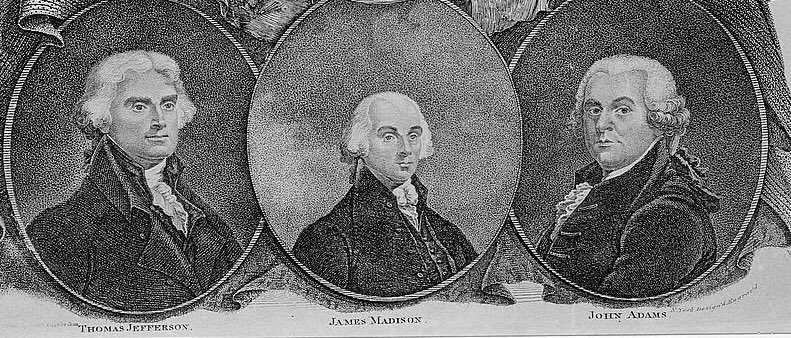
On July 14, 1798, the Federalist-led Sedition Act silenced dissent in a young republic, criminalizing criticism of the government under the guise of national security. Though President John Adams signed the act, his stance remains debated—some accounts suggest reluctant acquiescence, others cite later defenses as signs of conviction. Jefferson and Madison led the counter-response, framing free expression as the soul of republican liberty.
Enforcement was anything but abstract: Congressman Matthew Lyon was jailed for accusing Adams of ‘ridiculous pomp’ and ‘selfish avarice’—yet won reelection from his cell. Meanwhile, a drunken boatman named Luther Baldwin was fined and jailed for joking that a cannon salute might hit Adams ‘in the arse.’ The law’s expiration in 1801 marked not just a political shift, but a lasting lesson in balancing national security with constitutional freedom.
Image via LOC, no known restrictions
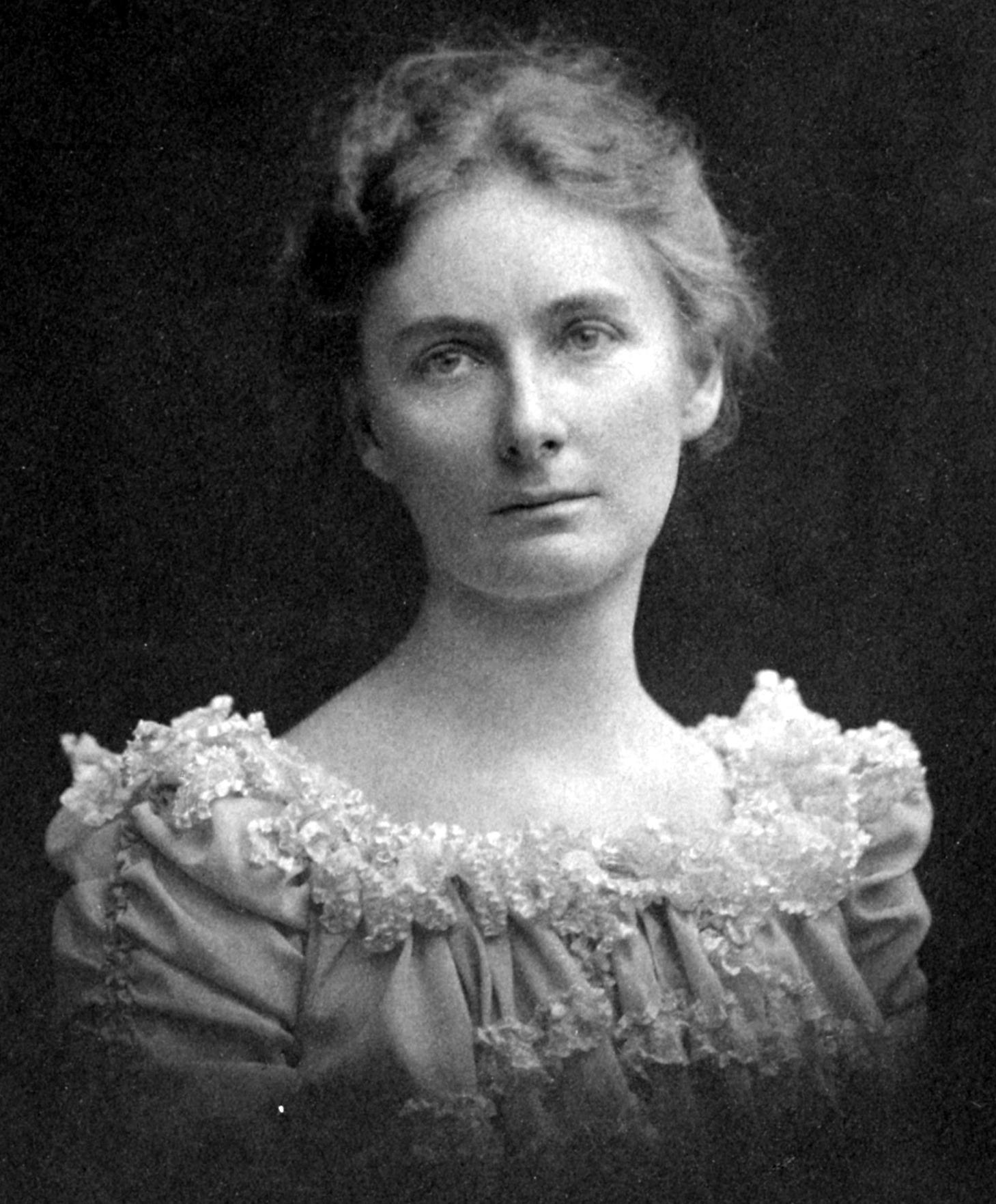
Florence Bascom, the first woman to receive a PhD from Johns Hopkins University, was born on July 14, 1862 in Williamstown, Massachusetts.
She was also the second woman in America to receive a PhD in geology.
Image via Wikimedia Commons, public domain
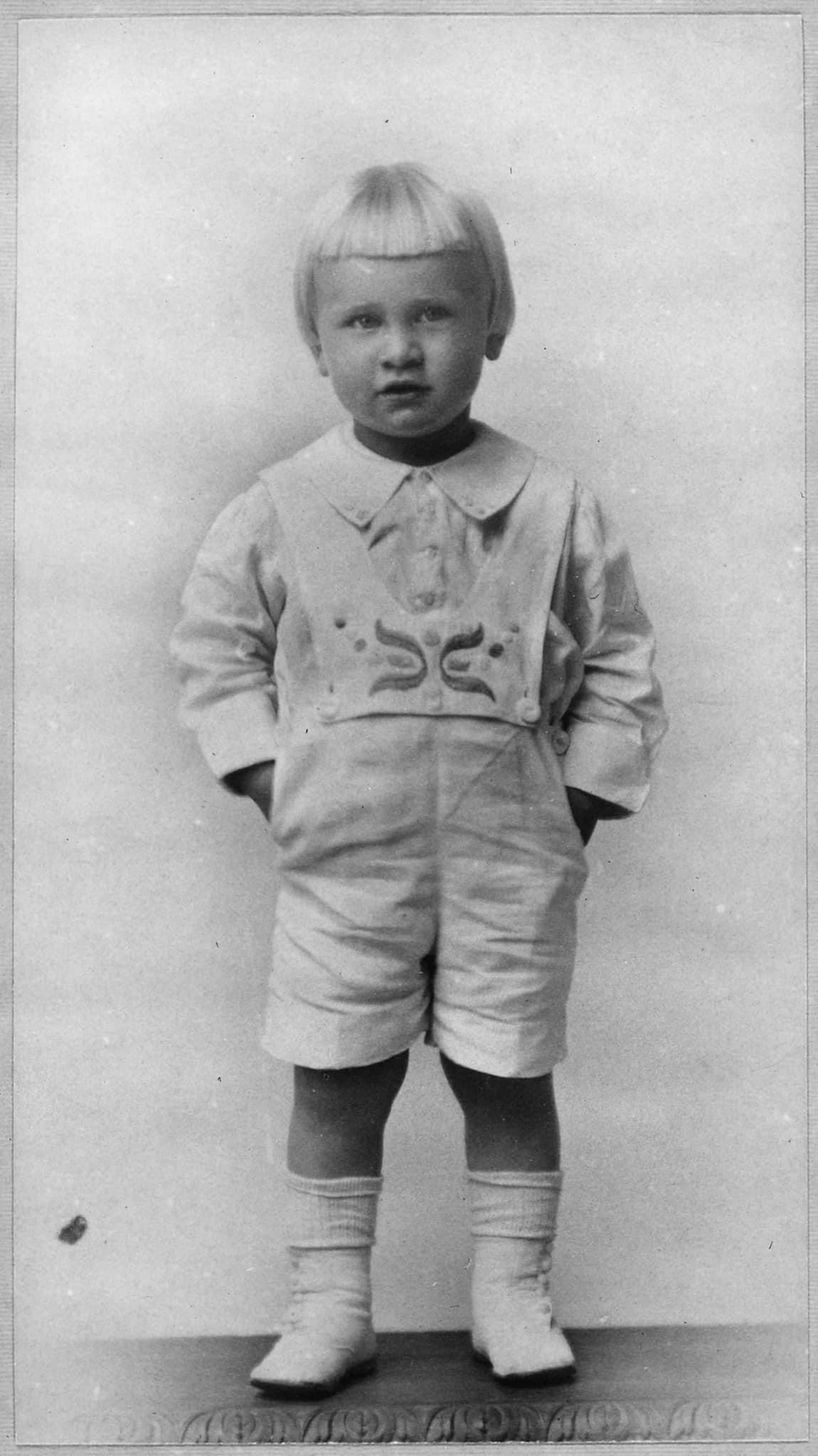
Gerald R. Ford was born on July 14, 1913, in Omaha, Nebraska.
He is the only U.S. President who was born in the Cornhusker State.
Image of Gerald R. Ford in 1916 when he was about 3 via Wikimedia Commons, public domain
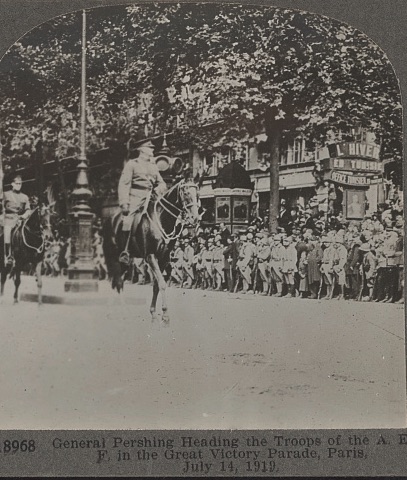
General Pershing heading the troops of the A. E. F. in the great Victory Parade, Paris, July 14, 1919
via LOC, no known restrictions
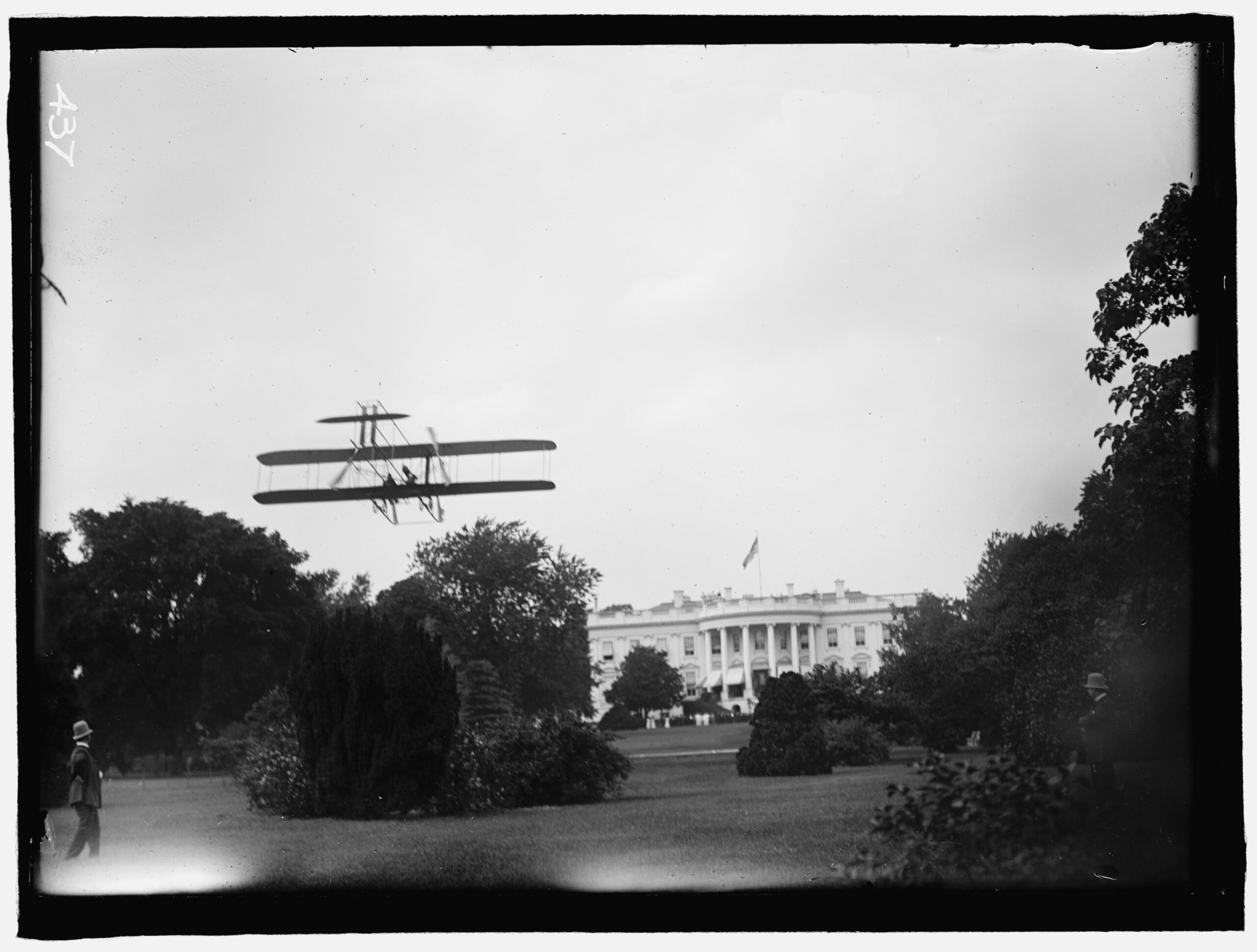
On July 14, 1911 Harry Nelson Atwood completed a 14-day, 576-mile flight from Boston to Washington, DC by landing on the South Lawn of the White House. Here he’s shown taking off, having received a gold medal from the Aero Club of Washington, presented to him by President Taft.
Inage via Wikimedia Commons, public domain in the US.
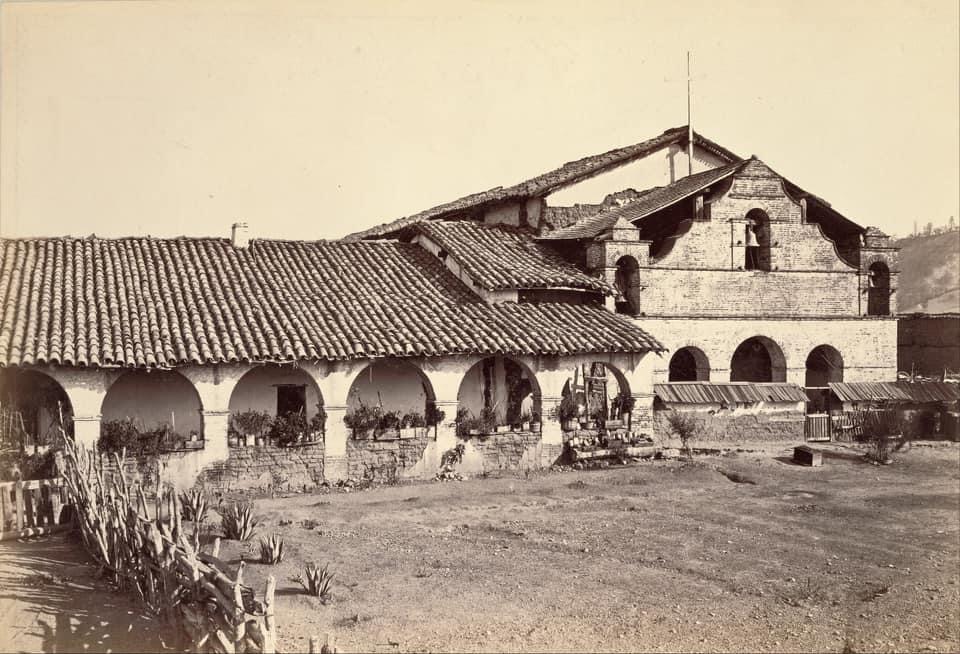
On July 14, 1771, Mission San Antonio de Padua was founded in California.
Photo of Mission San Antonio de Padua more than 100 years later c. 1880 via Wikimedia Commons, public domain
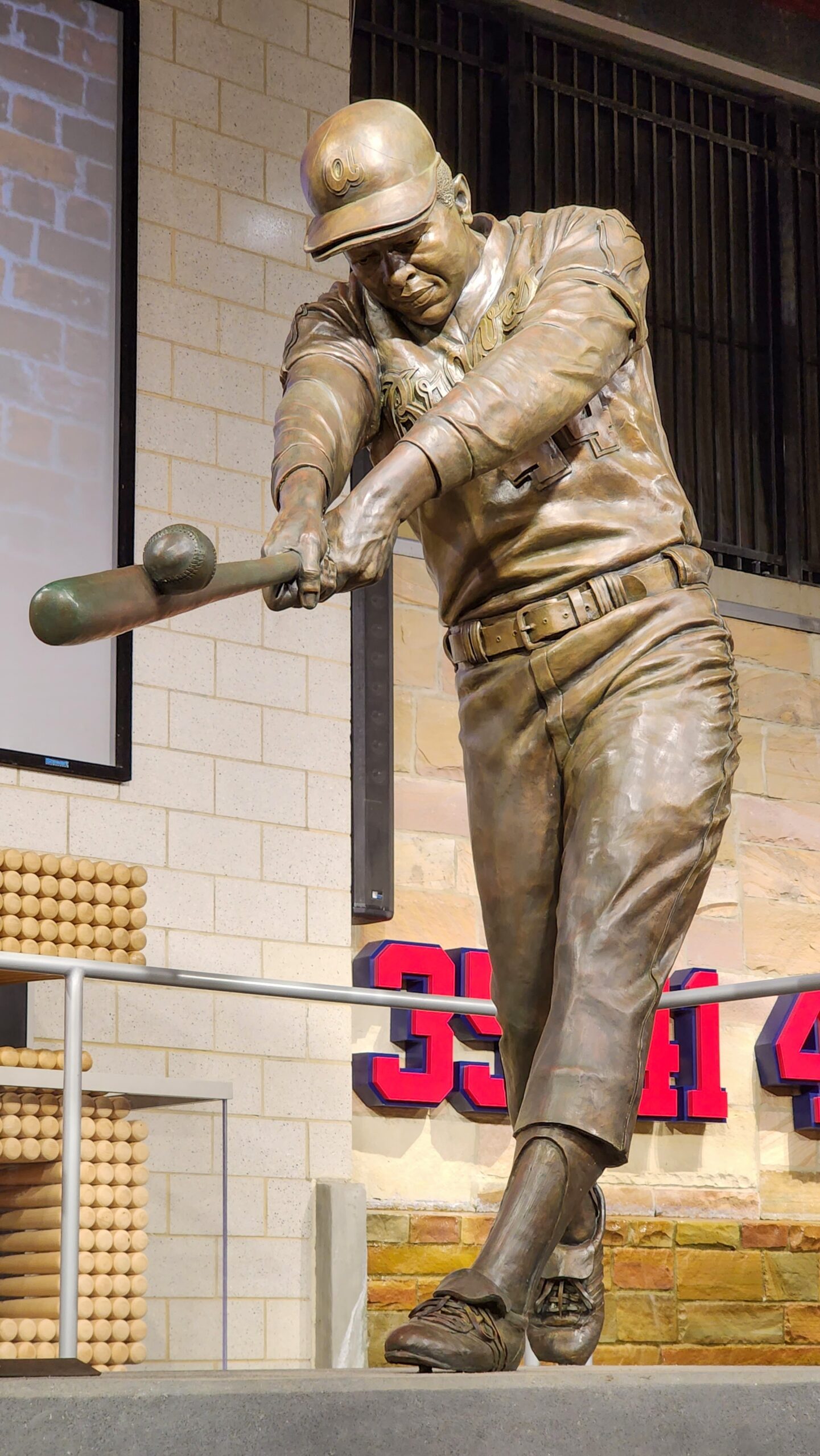
On July 14, 1968, Hank Aaron hit his 500th home run against the San Francisco Giants at Atlanta Stadium.
Image: Statue of Hank Aaron hitting a baseball via Shutterstock
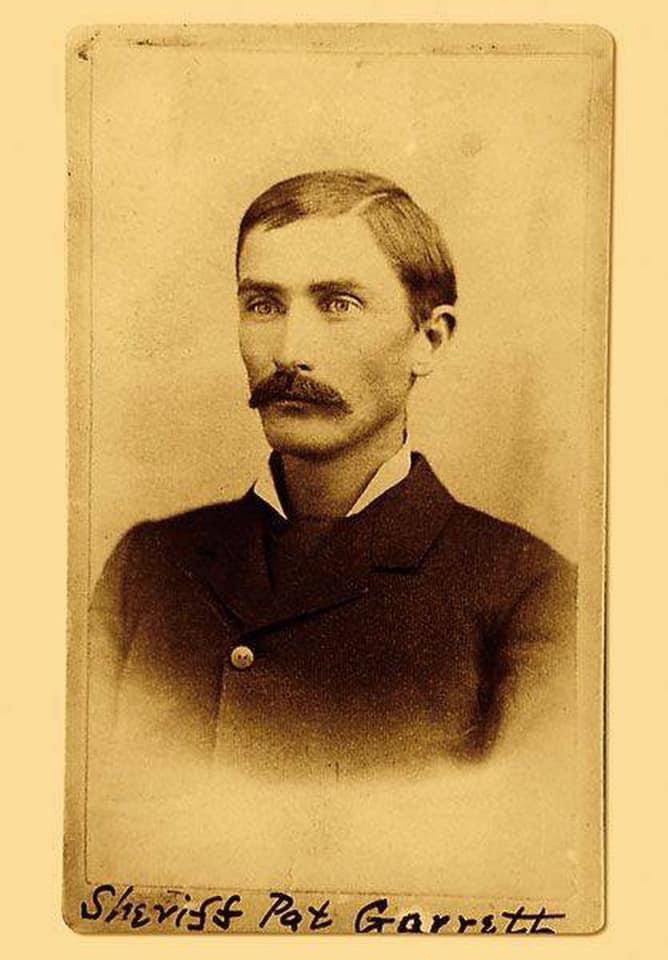
On July 14, 1881, Pat Garrett ended the life of notorious outlaw Billy the Kid at Fort Sumner, New Mexico.
Image of Sheriff Pat Garrett via Wikimedia Commons, public domain
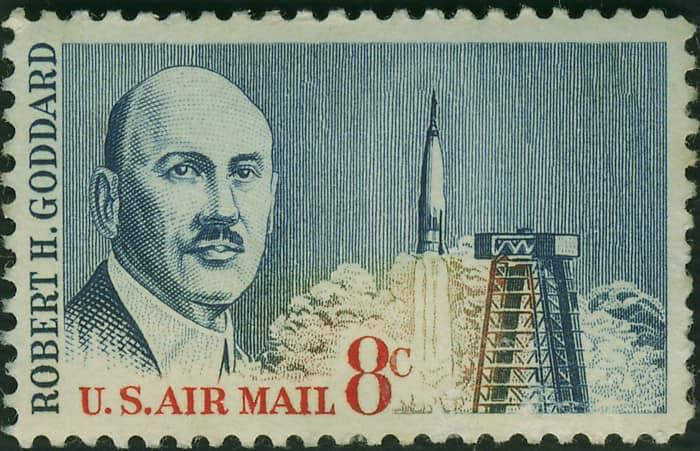
On July 14, 1914, American physicist and engineer Robert H. Goddard received patent #1,103,503 for “a new and useful Rocket Apparatus.”
A little less than 12 years later Goddard launched the world’s first liquid-fueled rocket.
Image via Wikimedia Commons, public domain
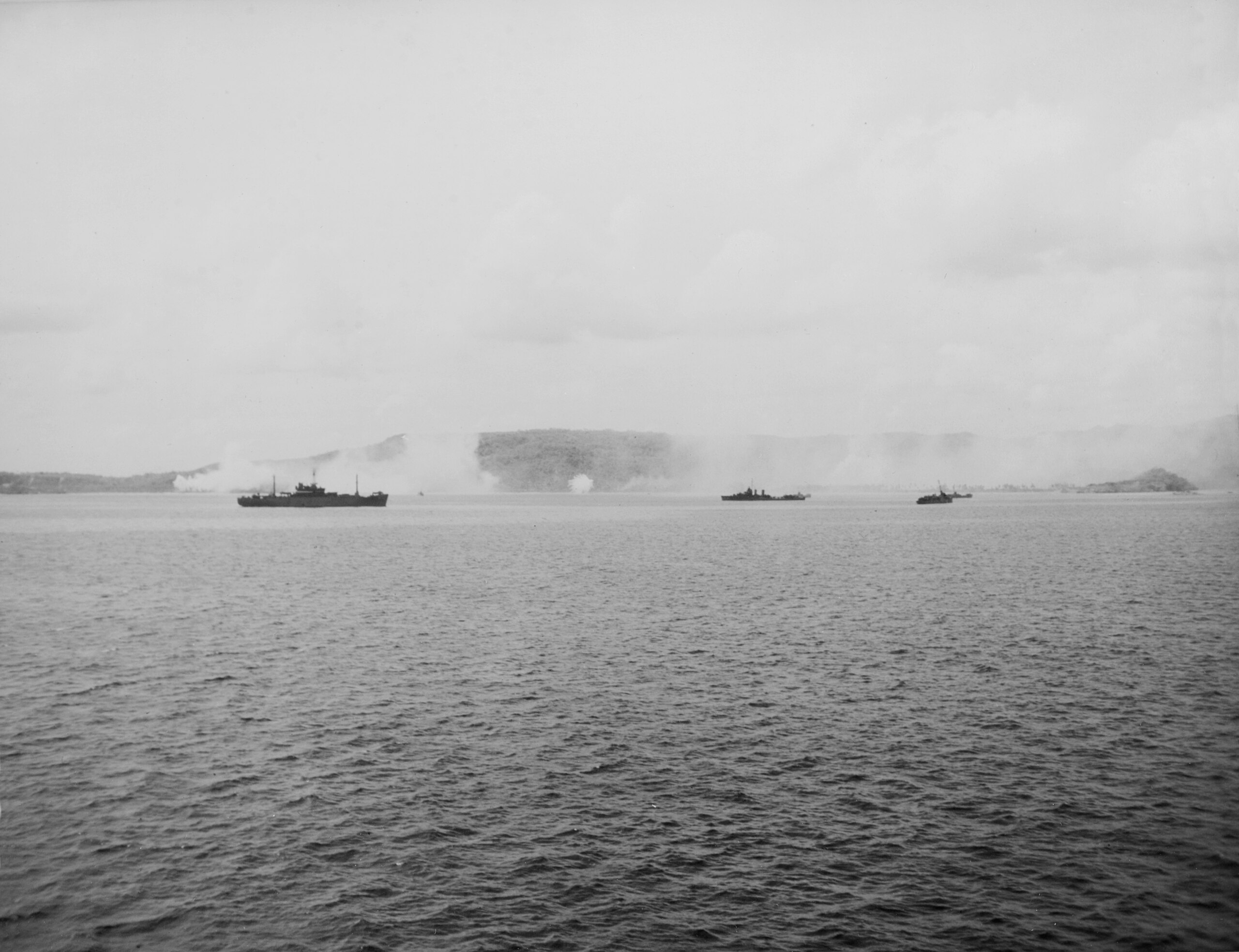
Seen from the deck of the USS New Mexico on July 14, 1944, the pre-invasion bombardment of Guam thundered across the horizon as American forces shelled their own territory—occupied by Japan since December 1941. Once a quiet U.S. possession, Guam had been transformed into a fortified enemy stronghold. The shelling, part of Operation Forager, aimed to dismantle Japanese defenses ahead of the amphibious landings. With battleships roaring, underwater demolition teams clearing coral obstacles, and landing craft circling like sentinels, the photo captures the paradox of war: reclaiming home through fire.
Image via Wikimedia Commons, public domain
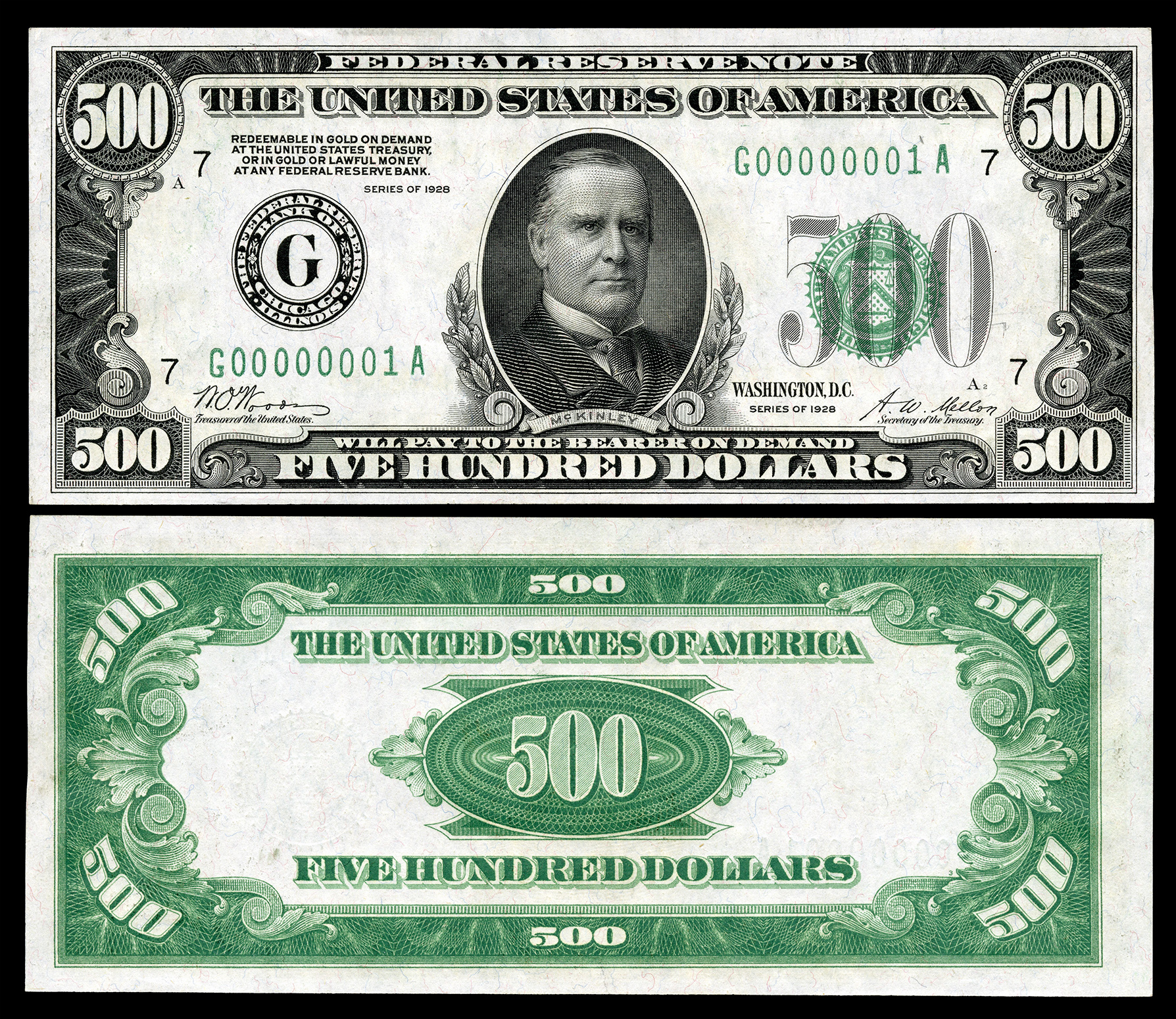
A $500 note featuring President William McKinley.
On July 14, 1969, The Federal Reserve officially discontinued high-denomination currency such as the $500, $1,000, $5,000 and $10,000 notes. Some of these legal tender bills may still remain in circulation and are prized by collectors.
Today only seven denominations are in production, the $1, $2, $5, $10, $20, $50 & $100.
Image via Wikimedia Commons, public domain
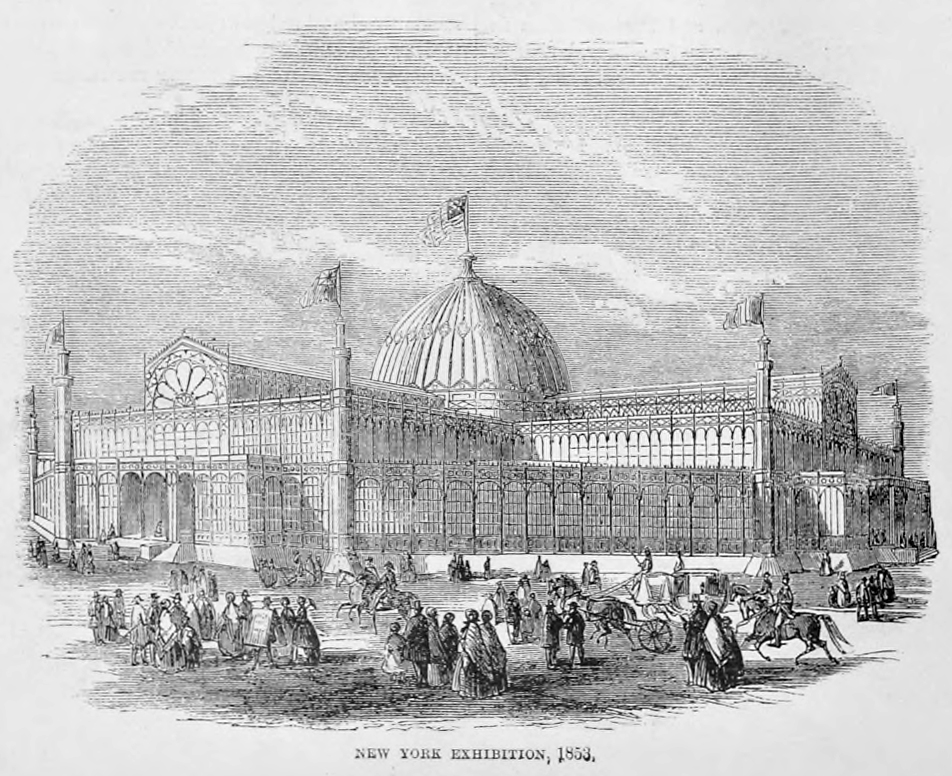
A drawing of The New York Crystal Palace at the Exhibition of the Industry of All Nations which opened on July 14, 1853 in New York City.
Image via Wikimedia Commons, public domain
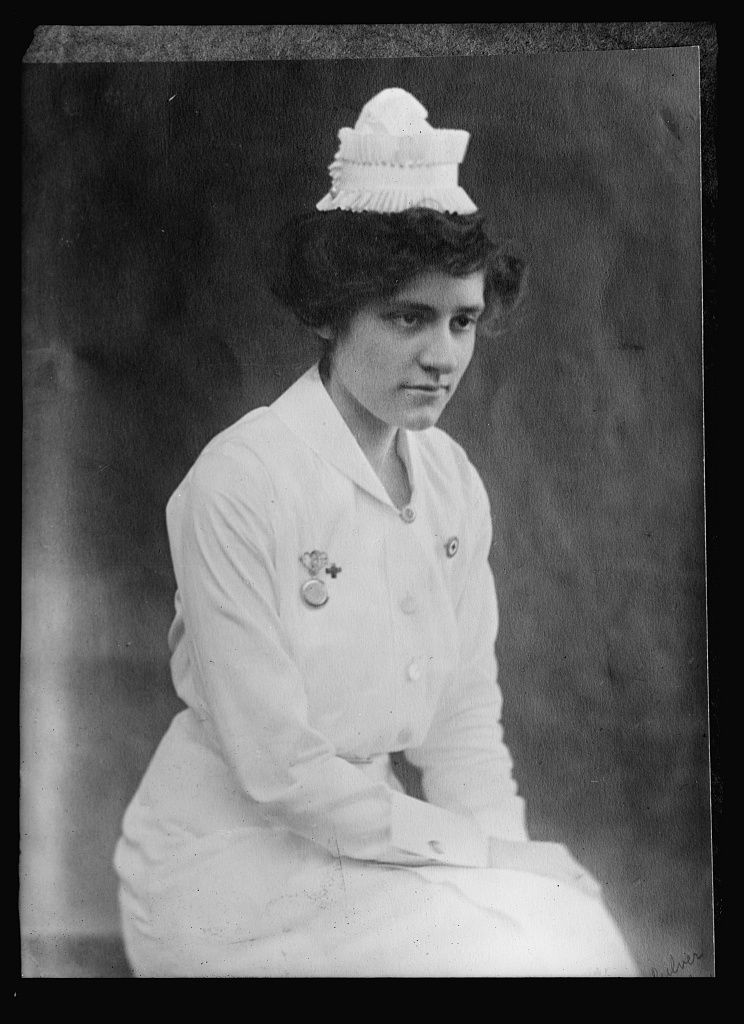
Miss Lydia Detweiler Shrope, died July 14, 1917 as result of the disease contracted in line of duty overseas (Belgium). Home: Philadelphia, Penn.
via LOC, no known restrictions
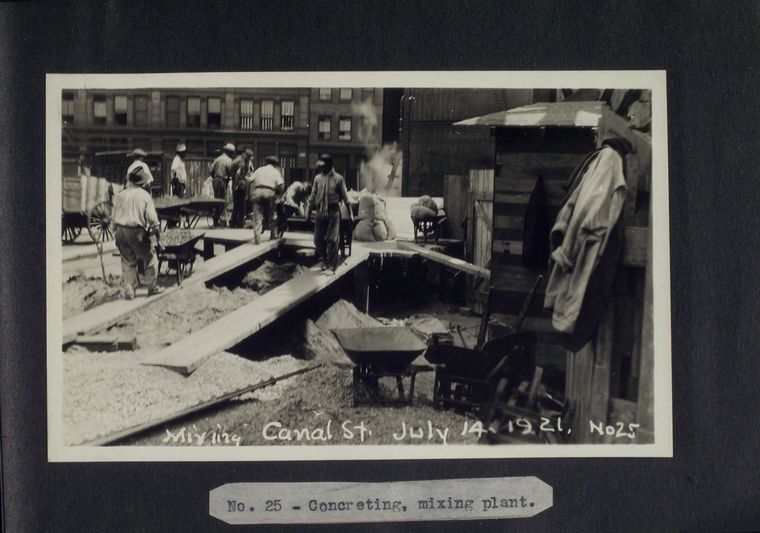
Concreting, mixing plant. Canal Street, July 14, 1921.
Construction of the Holland Tunnel
via NYPL Digital Collections, no known restrictions
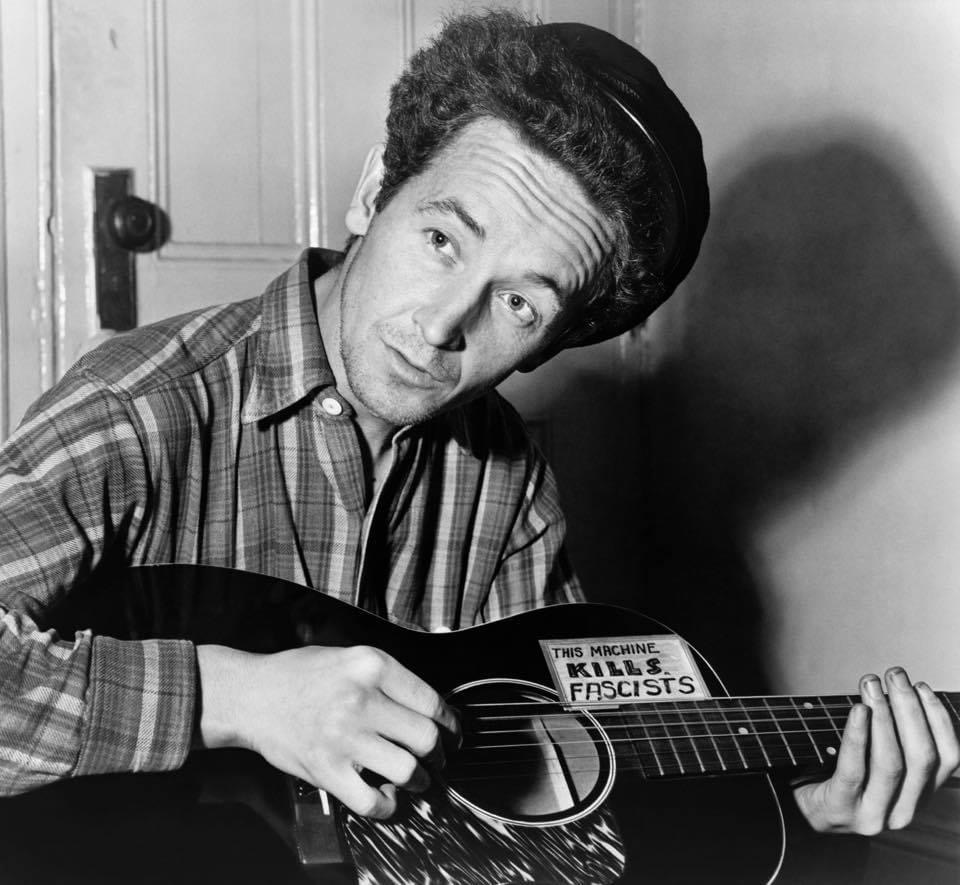
American WWII Veteran and musician Woody Guthrie was born on July 14, 1912 in Okemah, Oklahoma.
Image: Guthrie in 1943 by Al Aumuller/New York World-Telegram and the Sun via Wikimedia Commons, public domain
