
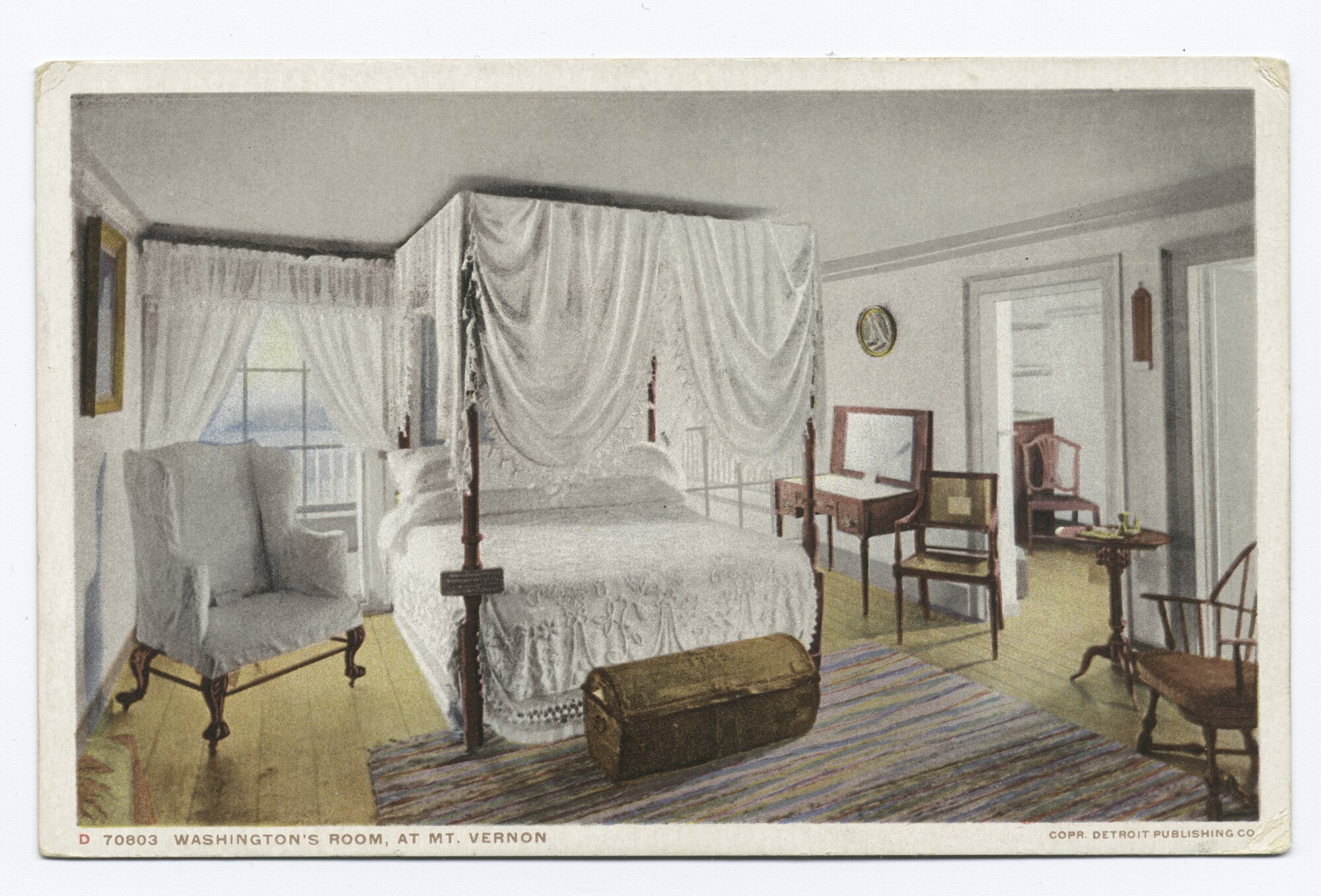
On July 15, 1761, a critical crisis unfolded at Mount Vernon as Colonel George Washington lay convalescing from a devastating, near‑fatal fever that left his doctors with little hope for his survival. Though he had already retired from frontier service three years earlier, the severe bout of illness was likely the lingering consequence of the brutal physical toll those campaigns had taken on his young body. Modern medical historians suggest that the 1761 fever represented a systemic streptococcal infection—an aggressive bacterial assault that Washington’s vigorous early immune system narrowly managed to defeat.
In a striking twist of historical symmetry, Washington would spend his final days thirty‑eight years later inside this exact same bedchamber, passing away in December of 1799 from a catastrophic upper‑airway infection now understood as acute epiglottitis. Medical researchers believe that a similar streptococcal strain may have attacked his throat during that final winter, meaning the very same microscopic enemy that nearly claimed the young frontier colonel ultimately felled the father of the nation.
Image: Washington’s Room, Mt. Vernon. Text sourced from Washington Day by Day, published in 1895.