
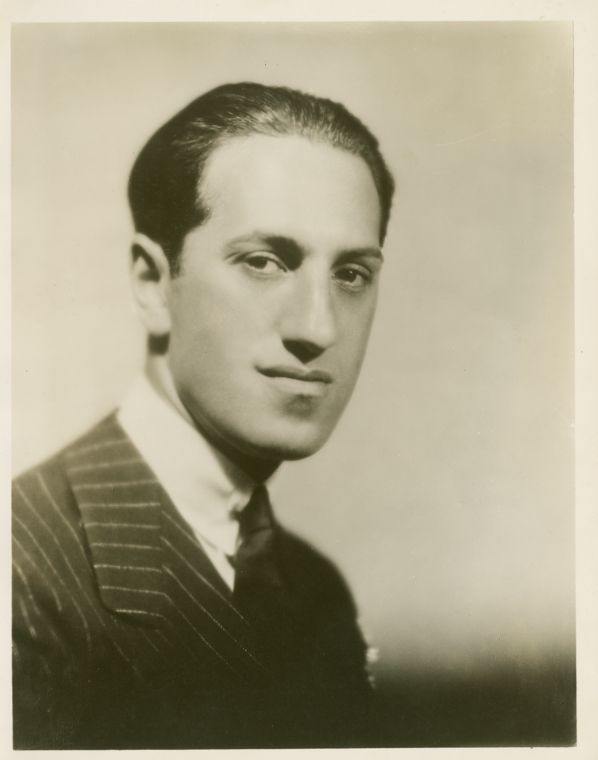
On September 26, 1898, George Gershwin—one of the most influential and enduring figures in American music—was born to Russian-Jewish immigrant parents in Brooklyn, New York. Raised amid the vibrant cultural energy of New York City, Gershwin left school at 15 and began working as a song plugger on Tin Pan Alley, promoting new sheet music while developing his remarkable gifts as a pianist and composer. That immersion in the fast-moving world of commercial songwriting helped shape the instincts that would define his career.
Gershwin’s artistic ambition was unusual and far-reaching: he sought to bridge the divide between concert music and the syncopated rhythms, blues inflections, and improvisatory spirit of American jazz. He achieved a landmark success in 1924 with the premiere of Rhapsody in Blue, a work that brought jazz-inspired language into the concert hall with unprecedented flair and popularity.
Over the following decade, often in collaboration with his lyricist brother Ira, Gershwin produced an extraordinary body of Broadway songs, orchestral music, and stage works. Standards such as “I Got Rhythm,” “Someone to Watch Over Me,” and “They Can’t Take That Away from Me” became central to the American songbook, while works including An American in Paris expanded his reputation as a concert composer.
Gershwin died of a brain tumor in 1937, at just 38 years old. Yet his influence has only grown in the decades since. “Summertime,” from Porgy and Bess, and An American in Paris remain among the most performed and recorded works in American music. His birth on this day marked the arrival of a composer whose work helped create a distinctively American musical language.
(Image: George Gershwin, NYPL Digital Collections, no known restrictions
