
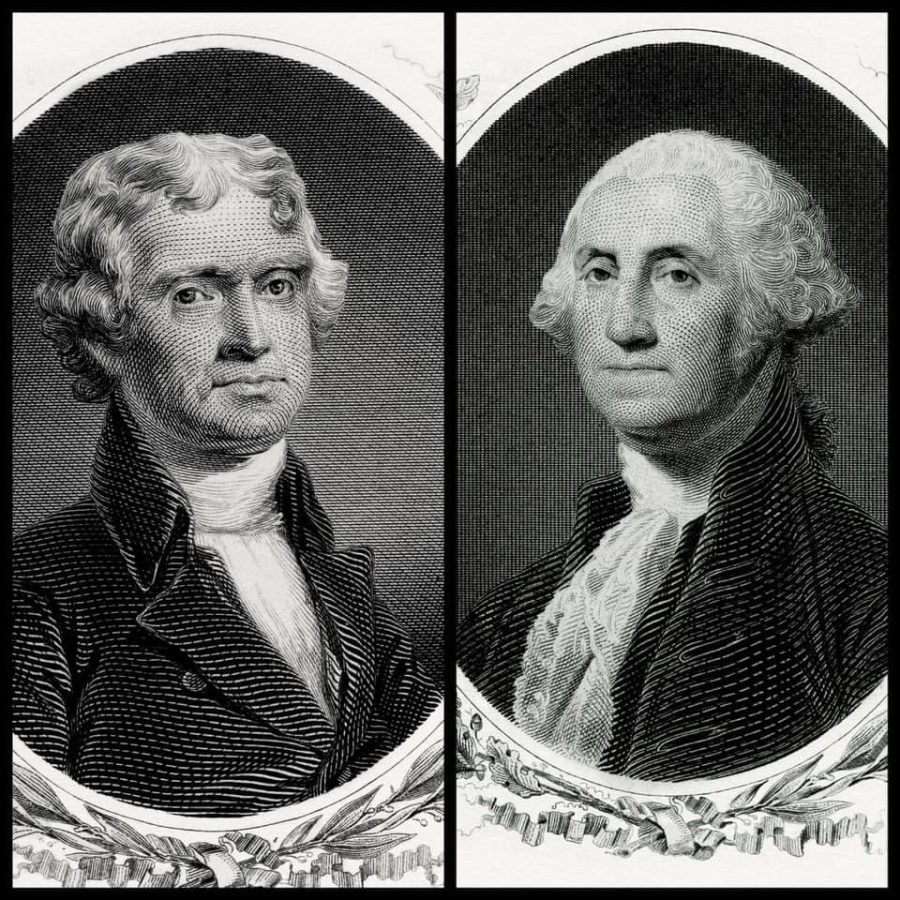
On September 26, 1789, the United States Senate confirmed President George Washington’s nomination of Thomas Jefferson as the nation’s first Secretary of State. The new federal government was still taking shape under the Constitution, and Washington needed an experienced diplomat to guide the young republic’s foreign relations. Jefferson, who had served as U.S. minister to France since 1785, was a natural choice.
When the Senate confirmed him in New York City, Jefferson was still in France, concluding his diplomatic service. He departed Le Havre for the United States two days later, on September 28, aboard the Clermont. Because news traveled only as fast as sailing ships could cross the Atlantic, he did not learn of his appointment until he reached Norfolk, Virginia, on November 23—almost two months after the Senate vote.
Jefferson accepted the position reluctantly. He had hoped to return to private life at Monticello, but ultimately agreed to serve at Washington’s request. He formally entered office on March 22, 1790, and remained Secretary of State until the end of 1793.
As Secretary of State, Jefferson became a leading voice for a more limited federal government and an agrarian-oriented republic. His disagreements with Treasury Secretary Alexander Hamilton over federal power, finance, and foreign policy helped shape the political divisions that developed into the nation’s first party system.
(Image: Portraits of Thomas Jefferson and George Washington)
