
Born on September 20, 1917, in Brooklyn, New York, Arnold Jacob “Red” Auerbach rose from the crowded streets and playgrounds of Williamsburg to become one of the most consequential figures in the history of American sport. Before he was the man with the victory cigar, the commanding presence on the Celtics bench, or the architect of championships, Auerbach was a basketball player himself. He learned the game at P.S. 122 and on neighborhood courts, where basketball offered Brooklyn kids a fast, demanding game that could be played wherever there was a hoop. A standout guard at Eastern District High School, Auerbach earned Second Team All-Brooklyn honors as a senior before carrying his passion for the sport into college.
Auerbach played at Seth Low Junior College before transferring to George Washington University, where he became a three-year letterman, team captain, defensive specialist, and the Colonials’ leading scorer in his senior season. His years as a player gave him more than an understanding of the rules—they taught him the value of conditioning, discipline, pace, and trust among teammates. At George Washington, he also encountered an up-tempo style of basketball that would help shape the philosophy he later brought to the NBA: pressure opponents, move relentlessly, share the ball, and make every player part of the fight.
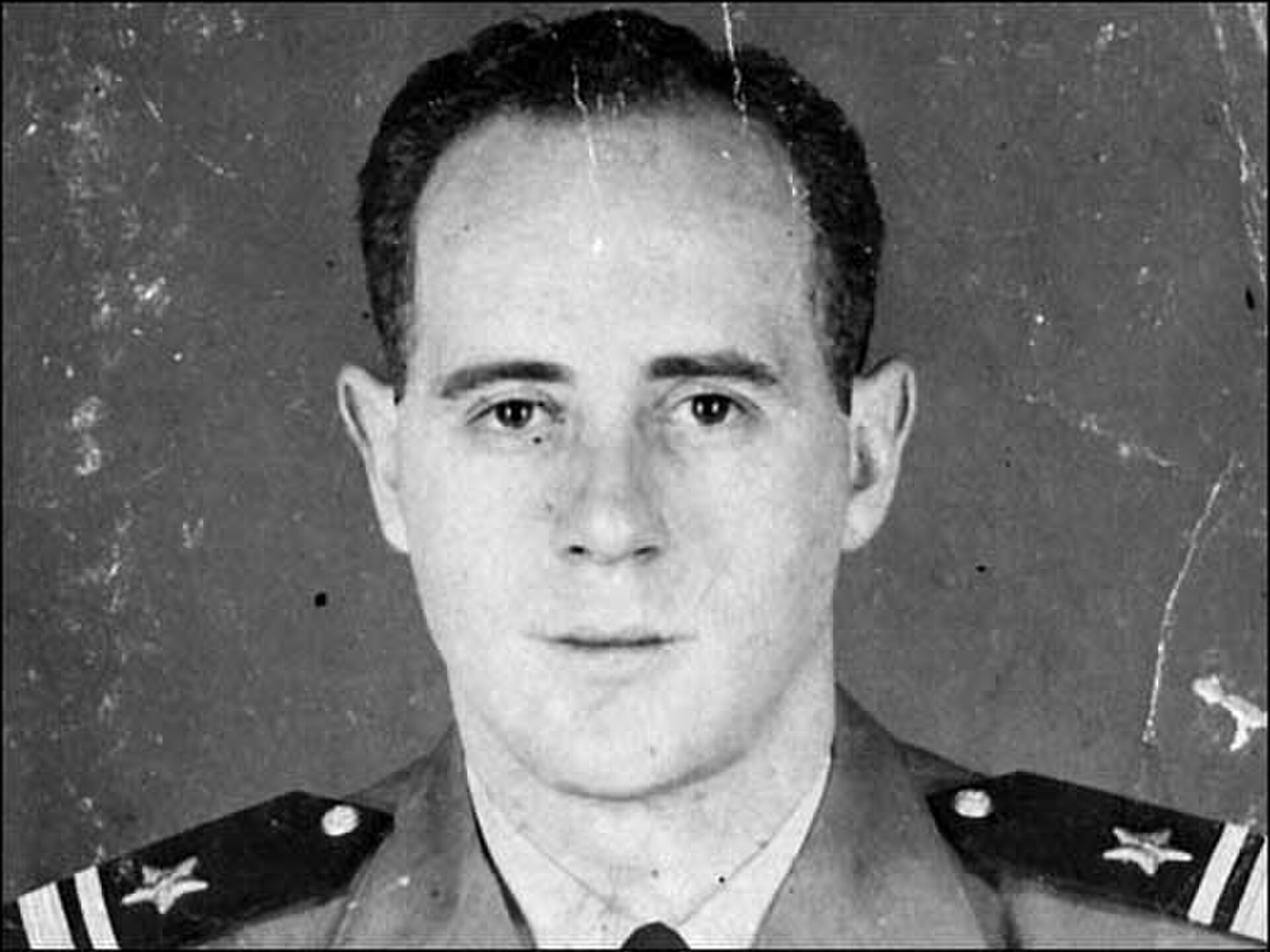
Following a brief stint teaching and coaching at St. Albans School, Auerbach’s career took a decisive turn when he enlisted in the U.S. Navy in June 1943. Serving for three years during World War II, he worked as a rehabilitation and physical training officer, primarily in a medical capacity at Bethesda, while also coaching the base basketball team at Naval Station Norfolk. This naval service proved critical to his professional development: it allowed him to refine his fast-break strategies using disciplined military personnel and directly caught the attention of Washington millionaire Mike Uline, who hired Auerbach to make his professional coaching debut with the Washington Capitols immediately upon his release from active duty in 1946.
That up-tempo military philosophy reached its fullest expression with the Boston Celtics. As head coach, Auerbach built a team defined by speed, defense, preparation, and selflessness, leading Boston to nine NBA championships. He did not rely on one superstar or one isolated system; he created a culture in which sacrifice was expected, depth mattered, and the whole was always greater than the individual. As coach and later as an executive, Auerbach helped guide the Celtics to 16 NBA titles, establishing a standard of sustained excellence that became the benchmark for every professional franchise that followed.
Red Auerbach’s legacy was also one of courage and change. In 1950, the Celtics selected Chuck Cooper, widely recognized as the first Black player drafted by an NBA team. Fourteen years later, Boston became the first NBA team to start five Black players. Auerbach’s decisions helped push professional basketball toward a more inclusive future, but they were grounded in a principle he applied relentlessly: talent, character, effort, and the ability to help a team win were what mattered. His leadership expanded the game’s possibilities both on the floor and far beyond it.
To generations of basketball fans, Red Auerbach remains the image of competitive mastery: the coach in the suit, the sharp observer, the builder of champions, and the man whose lit cigar signaled that another Celtics victory was beyond doubt. Yet the cigar was only the final flourish of a larger achievement. From a Brooklyn playground player and World War II naval officer to the defining builder of the Boston Celtics dynasty, Auerbach proved that greatness is created through preparation, conviction, innovation, and an unwavering belief in the power of a team. On the anniversary of his birth, basketball remembers not merely a winner, but one of its immortal architects.
