
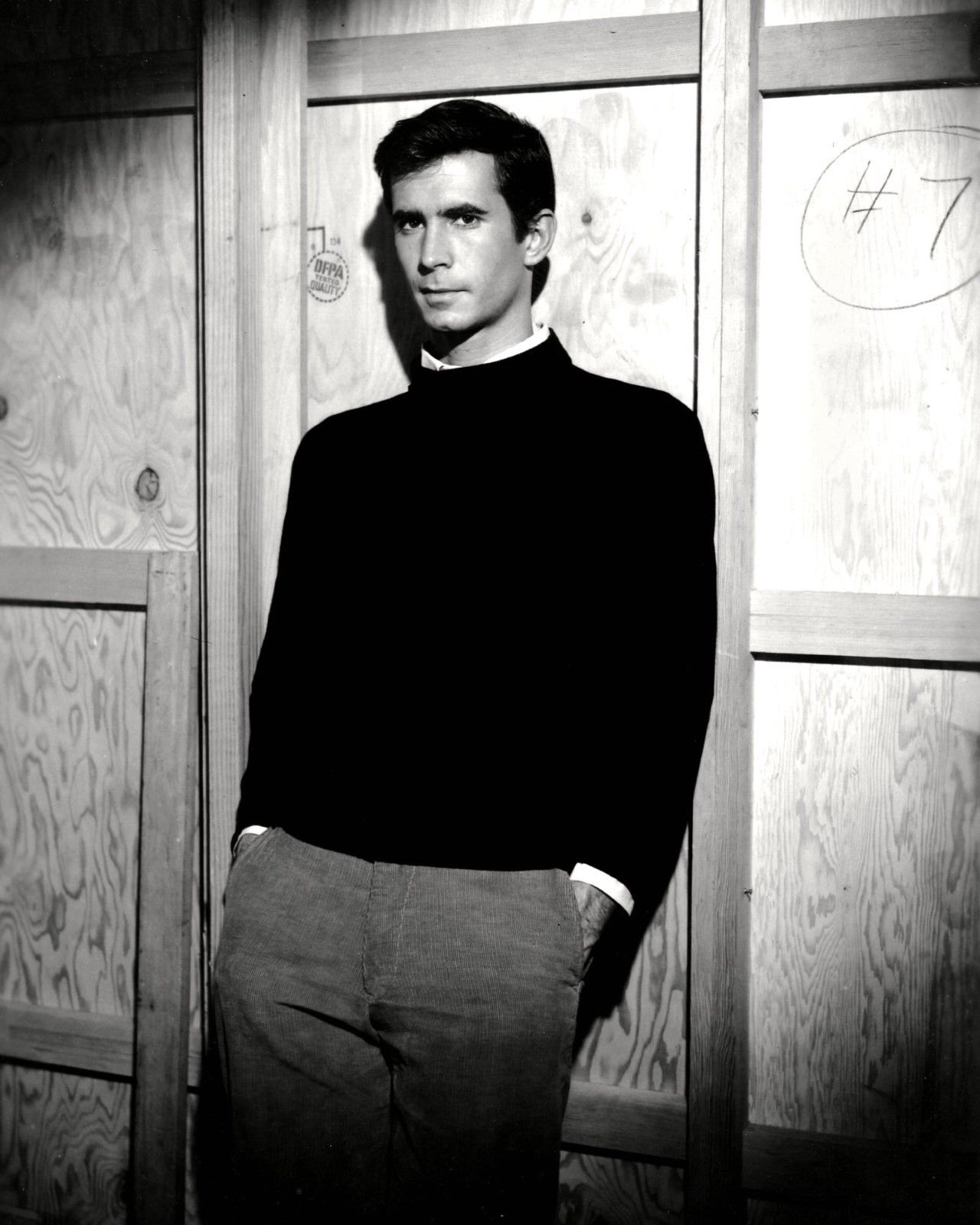
On June 16, 1960, Alfred Hitchcock’s groundbreaking psychological thriller Psycho premiered in New York City, shocking audiences with its bold narrative structure, unsettling atmosphere, and unprecedented on‑screen violence. The film’s infamous shower scene, created through rapid‑fire editing and Bernard Herrmann’s shrieking string score, redefined the boundaries of cinematic horror and became one of the most analyzed sequences in film history. Hitchcock’s strict promotional rules—including barring late entry to screenings—heightened the sense of mystery and transformed the premiere into a cultural event.
The film’s release marked a turning point in American cinema, ushering in a new era of psychological horror that focused on internal fears rather than supernatural threats. Psycho challenged the Production Code, pushed the limits of mainstream storytelling, and influenced generations of filmmakers. Its June 16 debut cemented Hitchcock’s reputation as a master manipulator of audience emotion and secured the film’s place as one of the most iconic works in the history of motion pictures.
