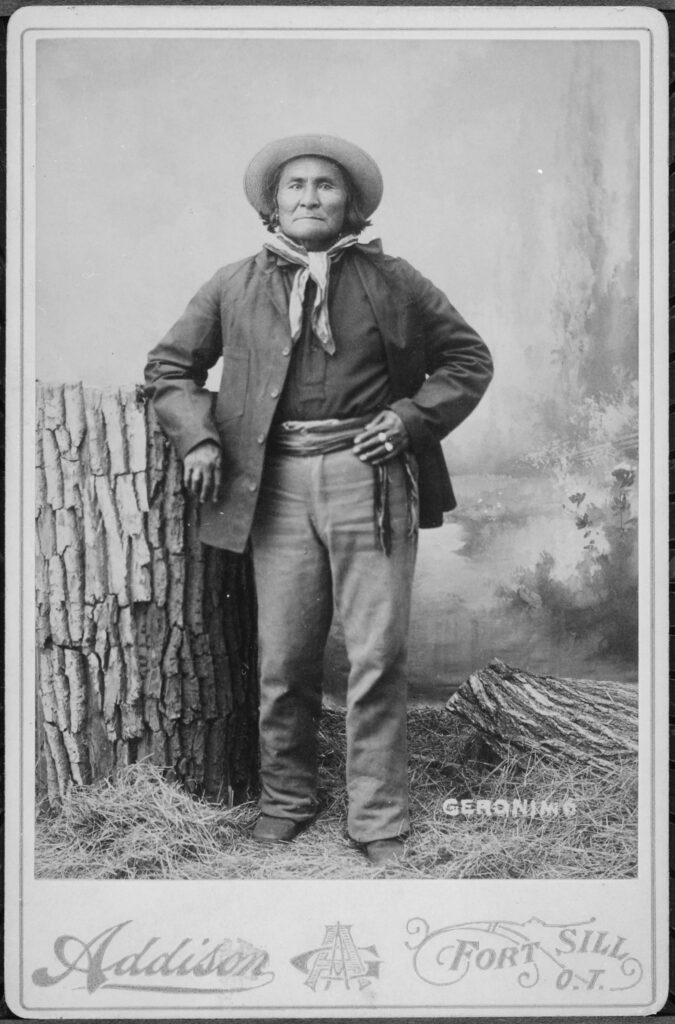
The Midnight Flight That Terrified the Arizona Territory
On May 17, 1885, the Apache leader Geronimo slipped out of the San Carlos Reservation under cover of darkness, beginning one of the most unnerving manhunts in the history of the Southwest. Fewer than forty Chiricahua warriors rode with him — yet their escape sent settler communities from the Gila Valley to Tombstone into a state of panic, fueled as much by rumor and newspaper exaggeration as by the small band’s movements. For more than a year, this group outmaneuvered thousands of U.S. cavalry troopers and Apache scouts across some of the harshest country in North America. The breakout became the final chapter in a decades‑long struggle, ending only with Geronimo’s 1886 surrender — the last major Native resistance to formally yield to the United States.
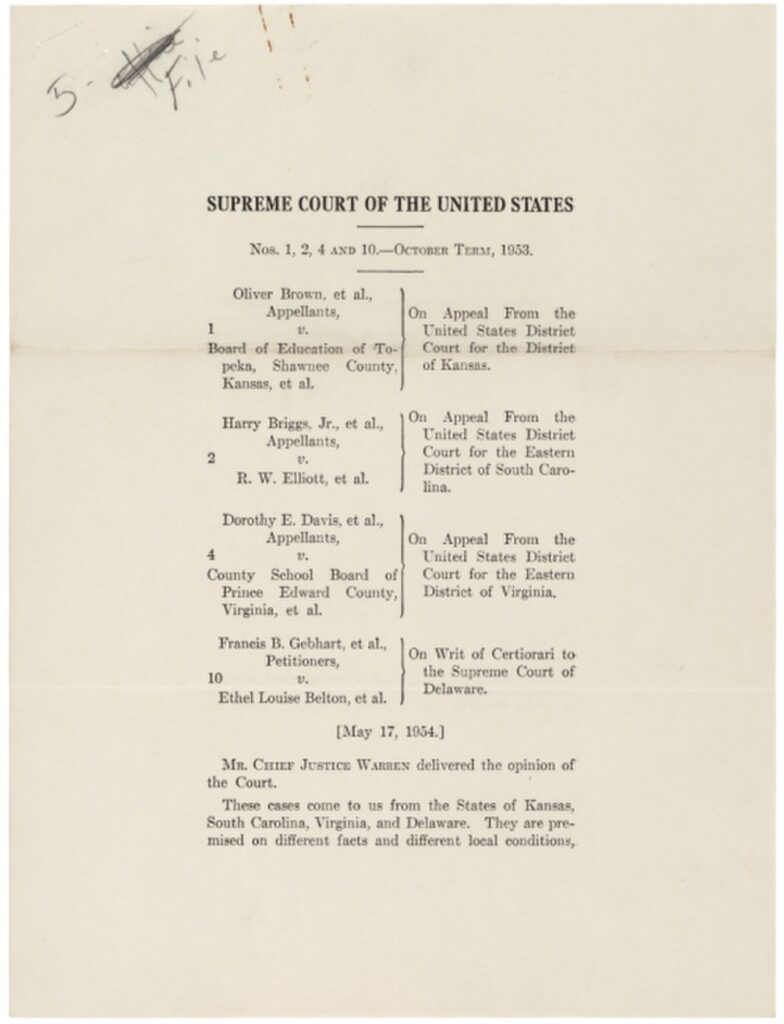
The Courtroom Verdict That Shattered Segregation
On May 17, 1954, the Supreme Court of the United States delivered its monumental, unanimous decision in Brown v. Board of Education, legally ending state-sponsored racial segregation in public schools. Chief Justice Earl Warren engineered a unanimous nine-to-zero vote specifically because he knew a split decision would invite fierce public resistance and undermine the moral authority of the landmark ruling. By arguing that separate educational facilities are inherently unequal, the historic verdict effectively dismantled the legal foundation of Jim Crow laws and accelerated the momentum of the modern Civil Rights Movement.
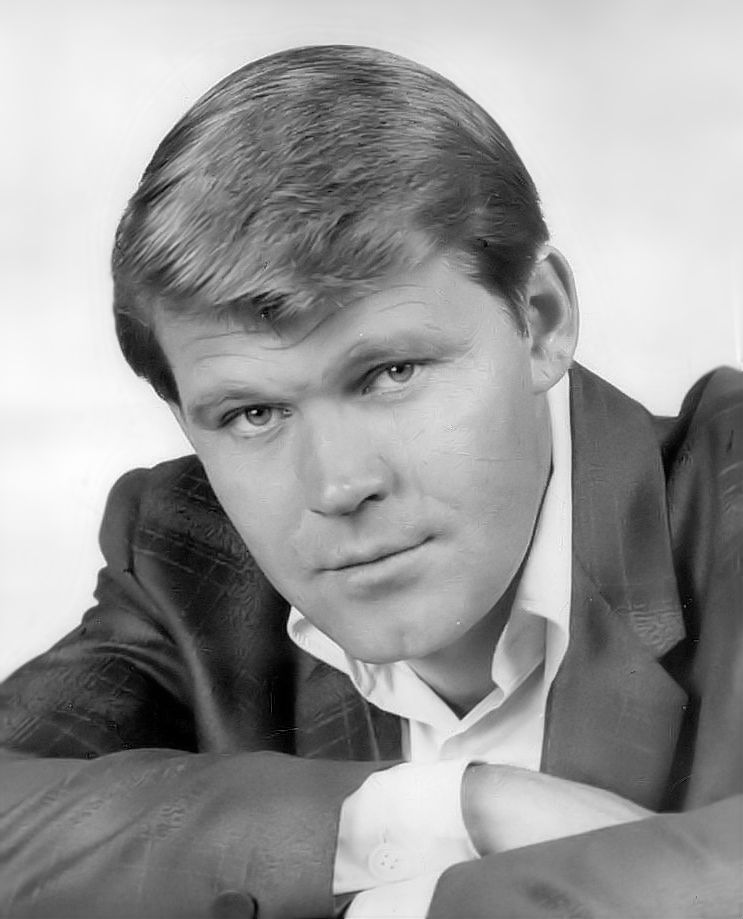
From Radio Rejection to Musical Royalty
On May 17, 1967, Glen Campbell recorded Gentle on My Mind, which became one of his definitive signature tracks. The tune grew so immensely popular that musical icons like Aretha Franklin, Patti Page, Frank Sinatra, Dean Martin, and Elvis Presley each went on to record their own distinct versions. Songwriter John Hartford found the inspiration for the track while watching the movie Doctor Zhivago, causing him to furiously scribble down the legendary lyrics in a frantic twenty-minute burst of creativity immediately after leaving the theater.
Image via Wikimedia Commons, public domain
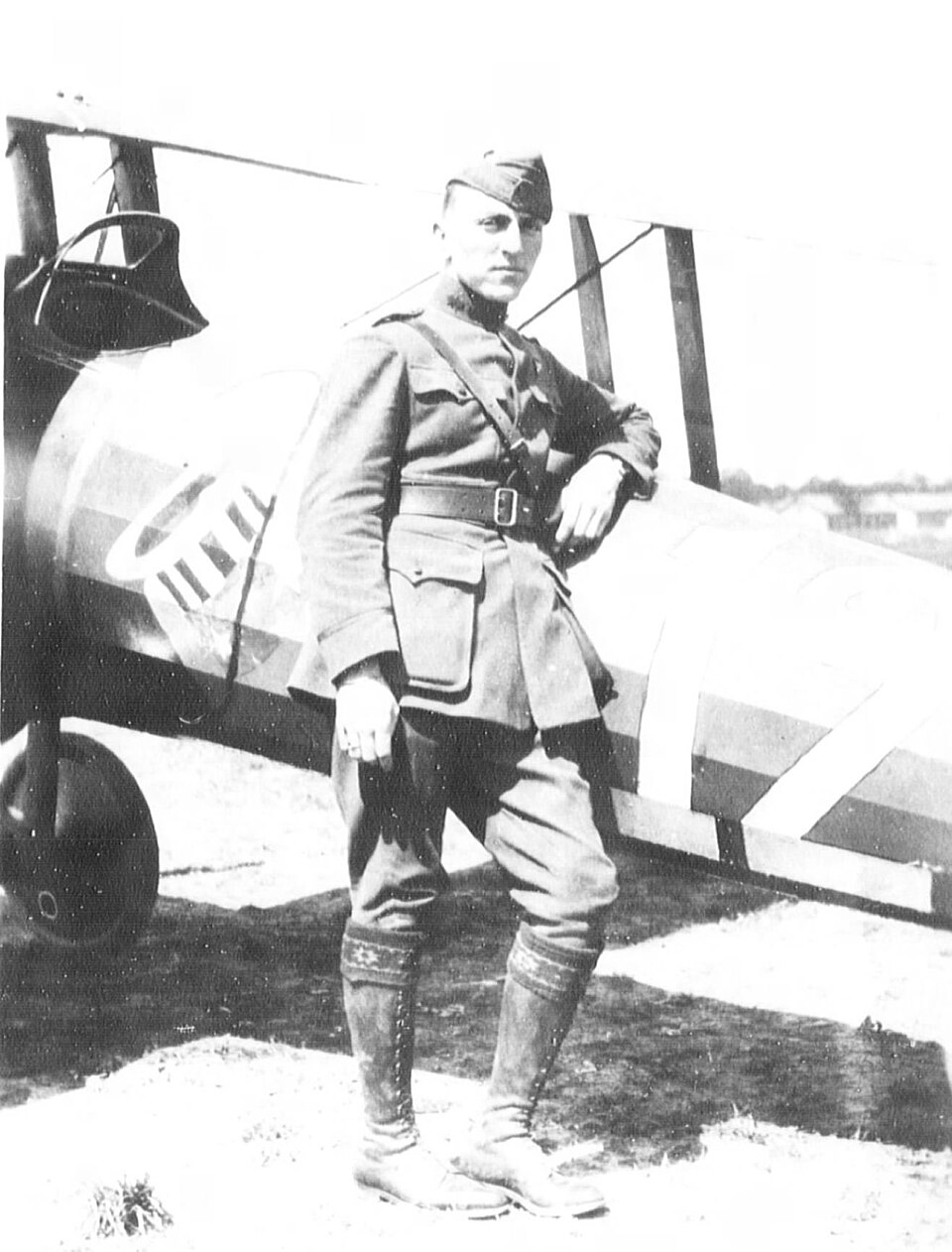
The Race Car Driver Who Ruled the Skies
On May 17, 1918, Eddie Rickenbacker of the legendary 94th Aero Squadron engaged three enemy Albatros planes over Richecourt, France. He successfully shot down one and forced the others to retreat, a fearless achievement that earned him a Distinguished Service Cross with an Oak Leaf Cluster. Rickenbacker was largely self-taught in aviation and actually entered the military as a personal chauffeur for General John J. Pershing before aggressively lobbying his superiors to let him switch from driving staff cars to piloting fighter planes.
Eddie Rickenbacker of the 94th Aero Squadron standing beside his aircraft at Gengault Aerodrome, Toul, France.
Image via Wikimedia Commons, public domain
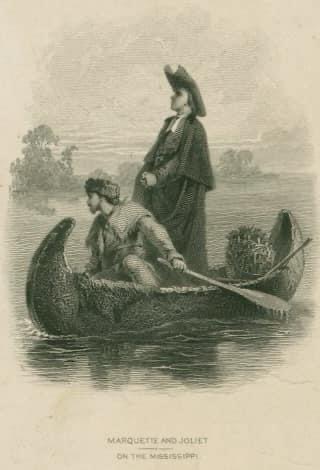
The 3,000-Mile U-Turn
On May 17, 1673, Jesuit missionary Jacques Marquette and Louis Joliet departed from the St. Ignace Mission in present‑day Michigan. The French explorers began their epic journey in the Great Lakes and traveled southward along the Mississippi River, eventually turning back north near the mouth of the Arkansas River, knowing the lower Mississippi flowed into Spanish‑controlled territory. The entire expedition was carried out in just two birchbark canoes, and Marquette relied heavily on his remarkable linguistic talents to survive, having mastered six different Native American languages prior to the trip.
Image via NYPL Digital Collections, no known restrictions
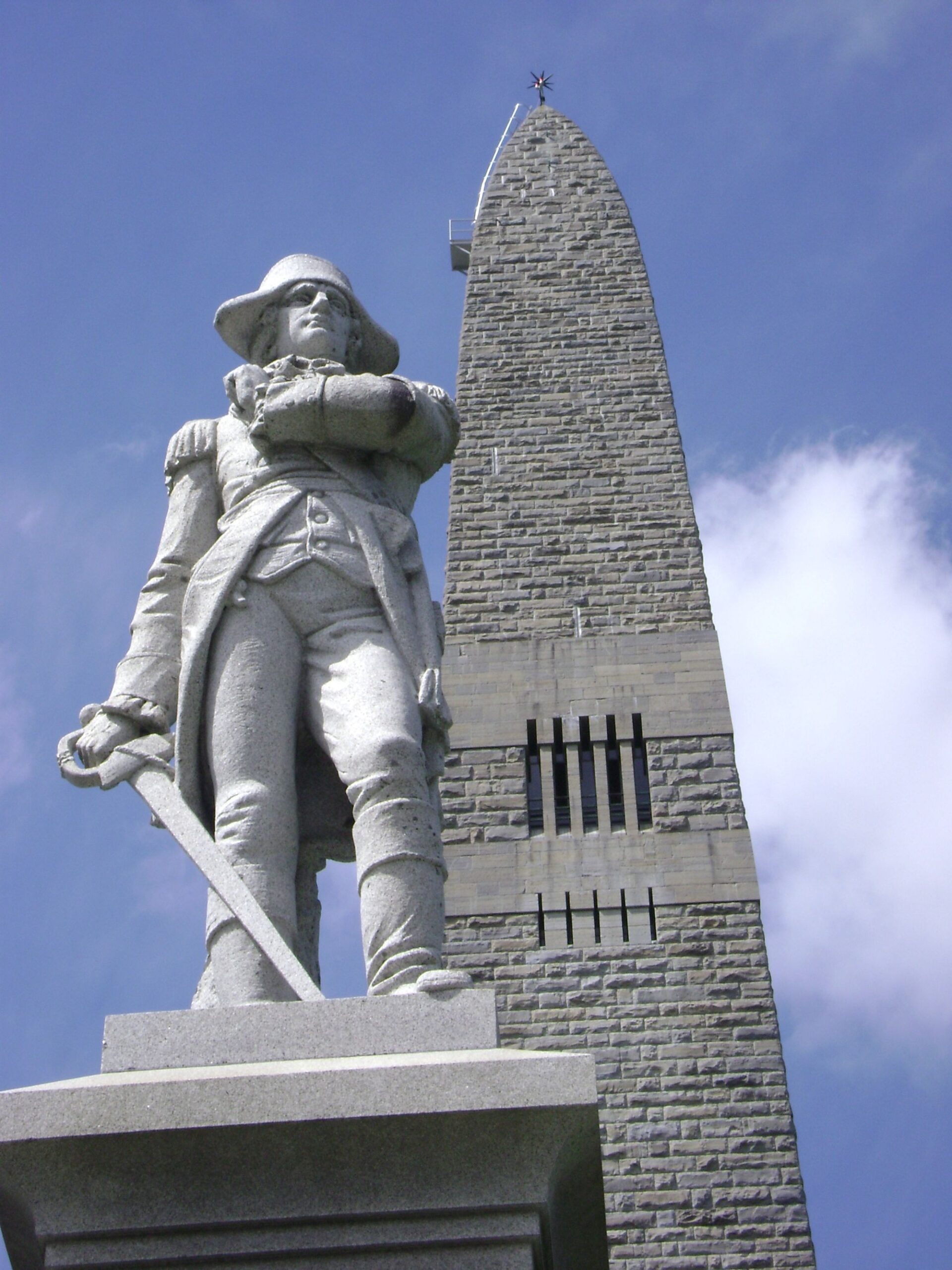
The Outlaw Hero of the Green Mountains
American Revolutionary War hero Seth Warner, who famously captured Fort Crown Point along with 111 cannon from the British, invaded Canada, and secured victory at the Battle of Bennington, was born on May 17, 1743, in Woodbury, Connecticut. Before finding fame as a military hero, Warner was actually a wanted outlaw with a massive cash bounty on his head offered by the royal governor of New York due to his aggressive defense of local farmers’ land rights in what is now Vermont.
Image via Wikimedia Commons, public domain
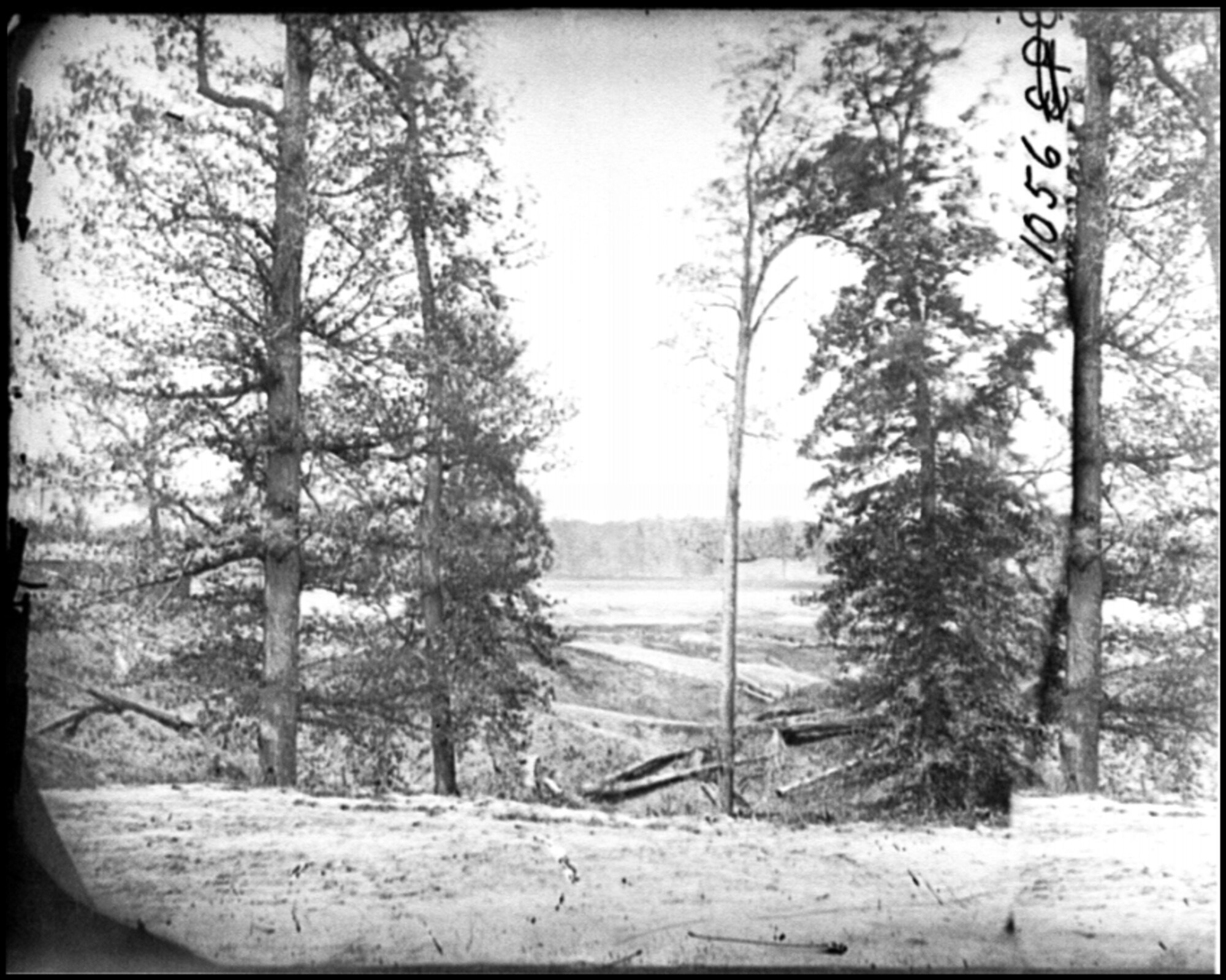
A General Divided Against His Own Blood
A single day before the pivotal Siege of Vicksburg began, Union forces decisively defeated Confederates at Big Black River, Mississippi, on May 17, 1863. One of the defeated Confederate commanders, John C. Pemberton, was a Northern-born U.S. officer and Mexican-American War veteran from Philadelphia whose brothers fought for the Union side, and who ultimately returned to Pennsylvania later in life. Because of his northern roots, many Confederates deeply distrusted him, driving Pemberton to stubbornly refuse to retreat or surrender Vicksburg for six grueling weeks just to prove his absolute loyalty to the Southern cause.
Image of Big Black River Battlefield in Mississippi c. 1864 via Wikimedia Commons, public domain
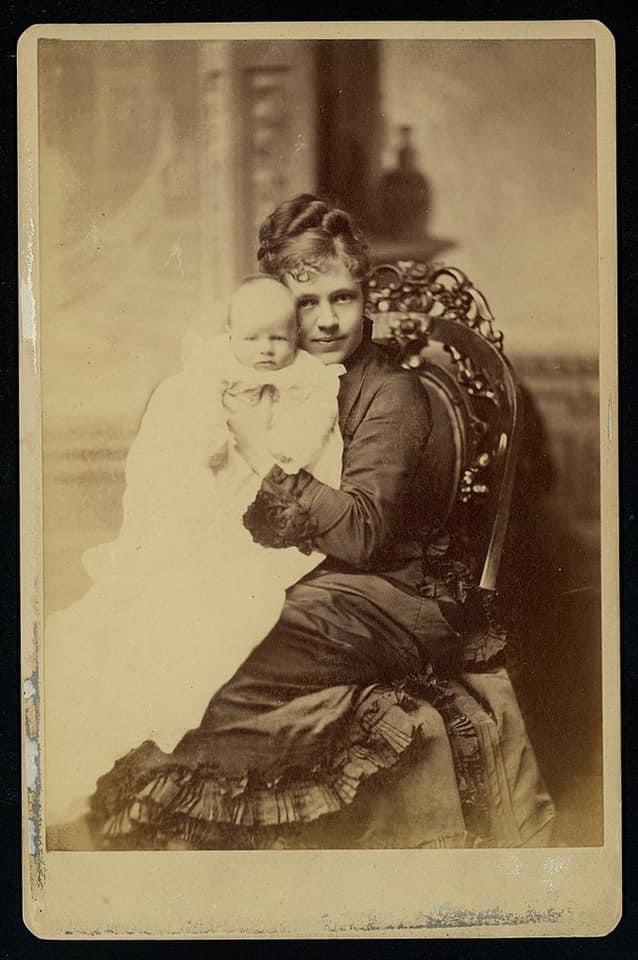
Steaming Away from the White House Stress
On May 17, 1877, just a few months after finishing his term as President, Ulysses S. Grant and his wife Julia departed Philadelphia on a grand, round-the-world trip. The massive voyage included a much-anticipated visit with their daughter, Nellie Grant Sartoris, who was living in England with her husband and children at the time. Grant originally planned the trip as a quiet, private vacation to escape political stress, but it turned into an international phenomenon where he was treated like a global rock star and became the first former American president to ever meet a reigning British monarch.
Image of Nellie Grant Sartoris (the daughter of Ulysses S. Grant) and baby (possibly Julia Grant Cantacuzene, daughter of Frederick and Ida Grant.) c. 1876 via Wikimedia Commons, public domain
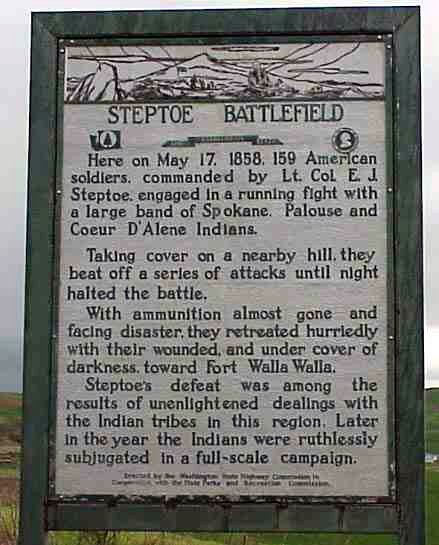
The Disaster at Pine Creek
The Battle of Steptoe, also known historically as the Battle of Pine Creek or the Steptoe Disaster, took place on May 17, 1858, near present-day Rosalia, Washington. A heavily outnumbered U.S. Army detachment was soundly defeated by a coalition of Native American tribes. The surviving soldiers only managed to escape total annihilation under the cover of darkness because several Nez Perce scouts guided them down a secret, treacherous mountain trail that the attacking tribes assumed the army could never navigate.
via Wikimedia Commons, public domain
The Coffee-House Compact
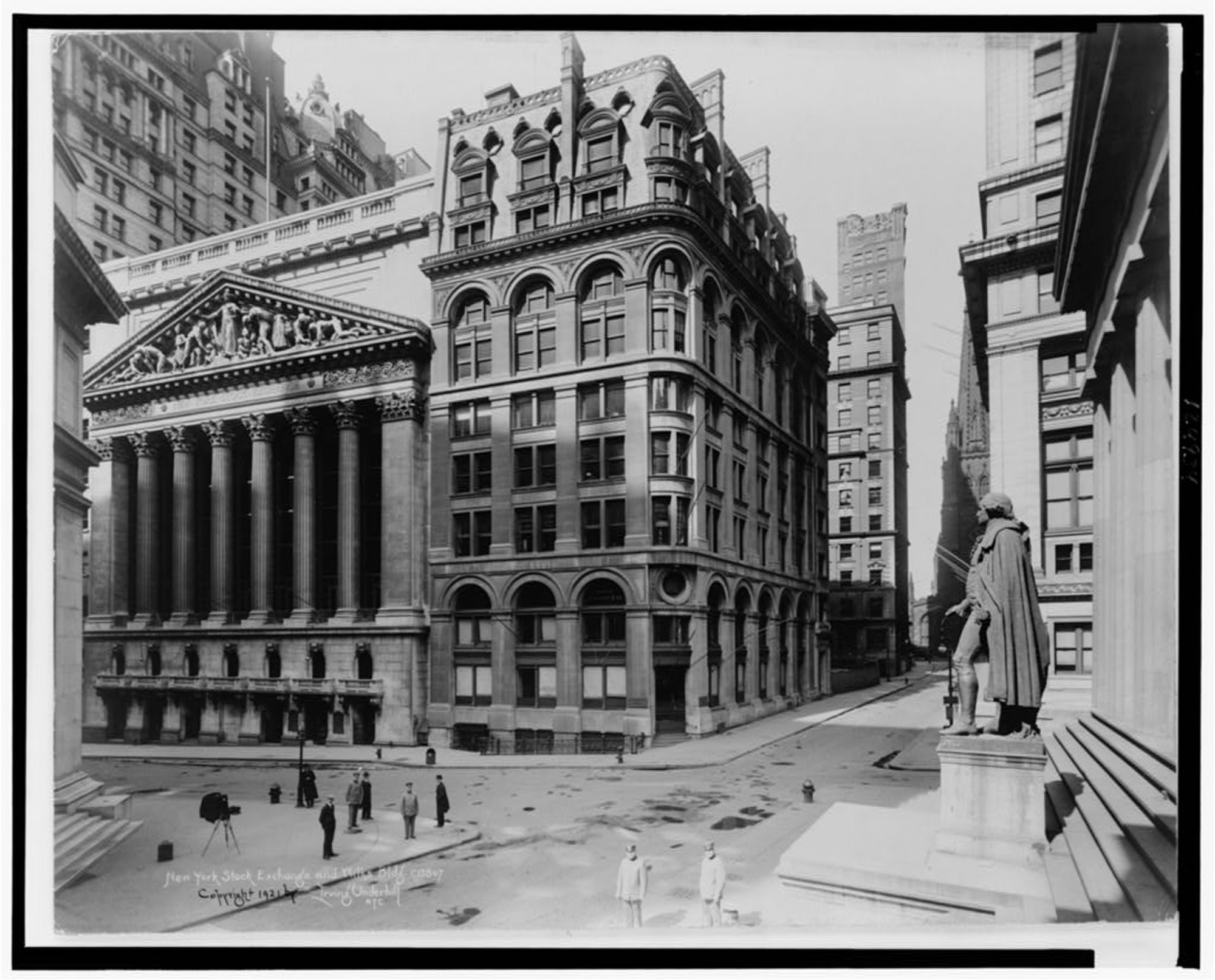
On May 17, 1792, the New York Stock Exchange was officially established. This world-famous financial institution started out with complete informality when twenty-four stockbrokers gathered under a buttonwood tree on Wall Street to sign a simple rules agreement, subsequently moving their daily trading sessions inside a local coffee house to conduct business.
Image of the New York Stock Exchange and Wilks Bldg. from 1921 via Wikimedia Commons, public domain
From Bicycle Chains to Muscle Cars
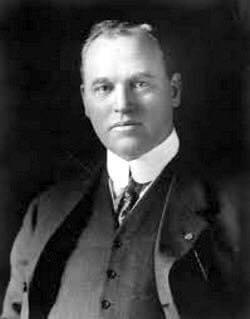
On May 17, 1868, American auto magnate Horace Elgin Dodge was born in Niles, Michigan. Horace went on to co-found the globally famous Dodge Brothers Company with his brother John in 1900. Long before they ever manufactured a single car, the Dodge brothers made their first fortune by inventing and patenting a dirt-resistant bicycle ball bearing, using those profits to open the machine shop that eventually built the engines for Henry Ford’s Model T.
Image via Wikimedia Commons, public domain
The Musical Teenager Who Wired Washington’s Smile
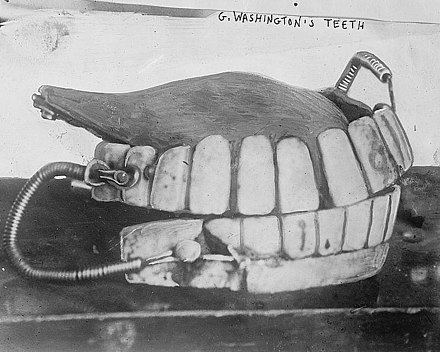
John Greenwood, the personal dentist to George Washington and the master craftsman who engineered his iconic false teeth, was born on May 17, 1760. As a teenager, Greenwood served as a military fifer during the American Revolutionary War. Despite the popular, enduring myth that Washington’s teeth were made of wood, Greenwood actually carved the president’s final and most famous set of dentures out of a combination of hippopotamus ivory, gold wire, and real human teeth.
Image via Wikimedia Commons, public domain
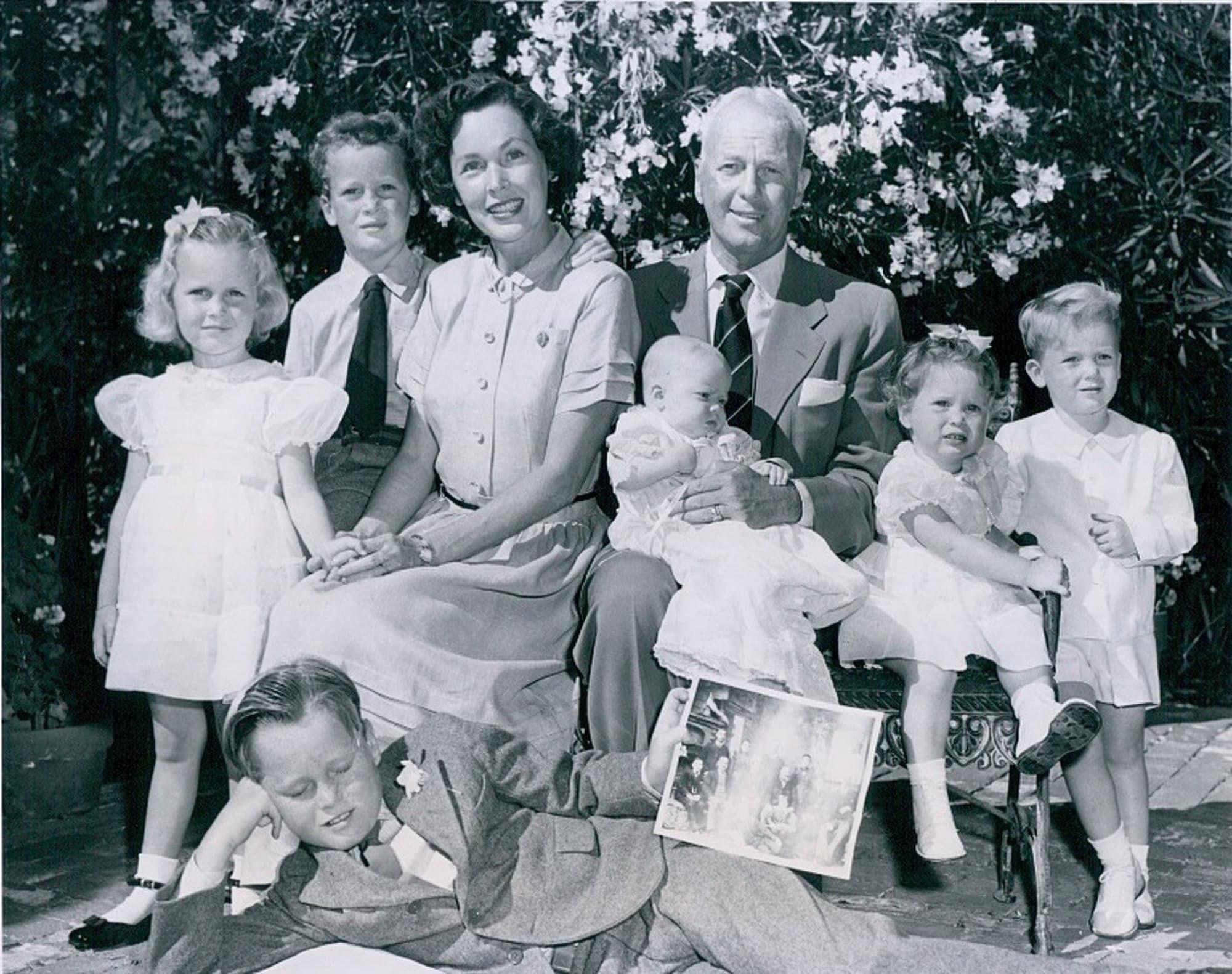
From Irish Roots to Hollywood’s First Jungle Queen
American actress Maureen O’Sullivan was born in Ireland on May 17, 1911. She built a legendary career in cinema, married John Farrow, raised a family of children, and officially became an American citizen in 1947. O’Sullivan achieved immortal Hollywood fame as the definitive Jane in the classic Tarzan films of the 1930s, and she also passed her acting talents down to the next generation as the biological mother of award-winning actress Mia Farrow.
Image via Wikimedia Commons, public domain
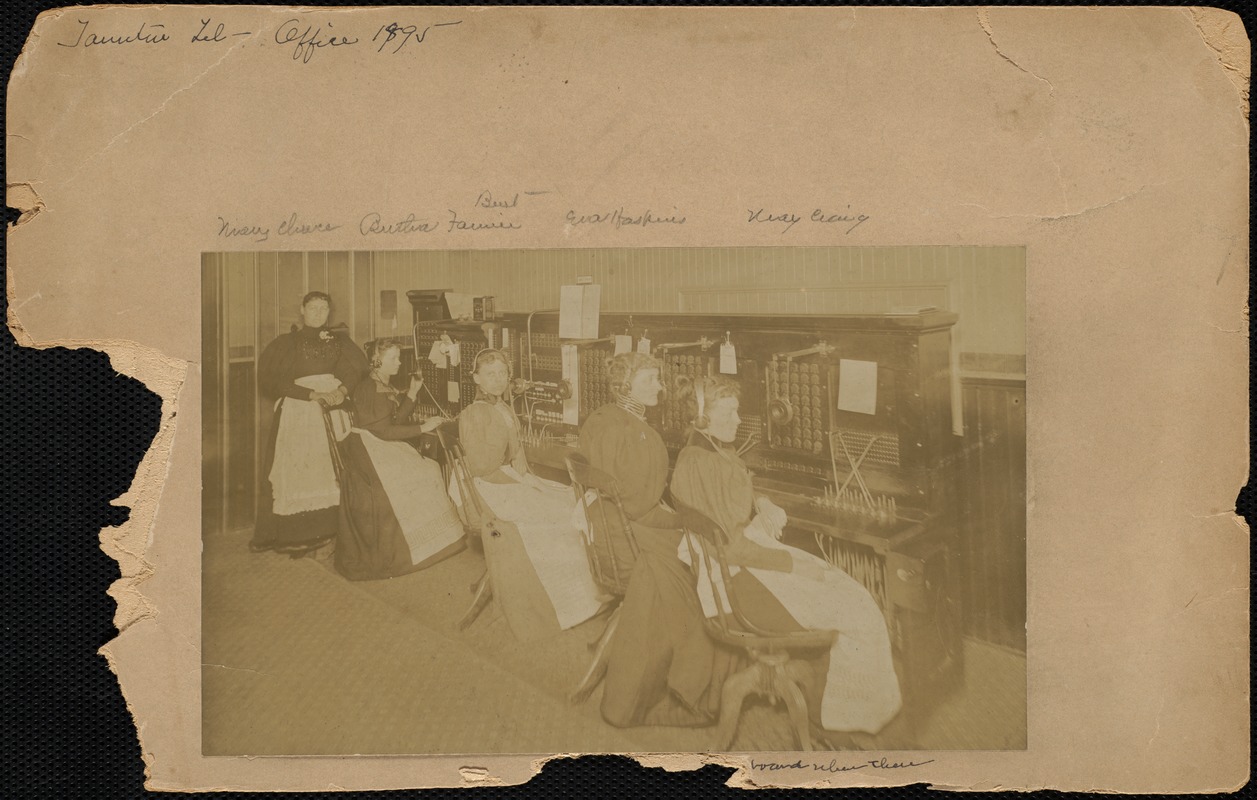
The Day Burglar Alarms Transformed the Telephone
On May 17, 1877, the world’s very first telephone switchboard was installed at The Holmes Burglar Alarm Company in Boston. Because dedicated telephone lines did not exist yet, the company cleverly used their pre-existing burglar alarm wires to route calls, functioning as a handy business network by day before switching right back to a security alarm system at night.
Image via Digital Commonwealth Massachusetts, no known restrictions
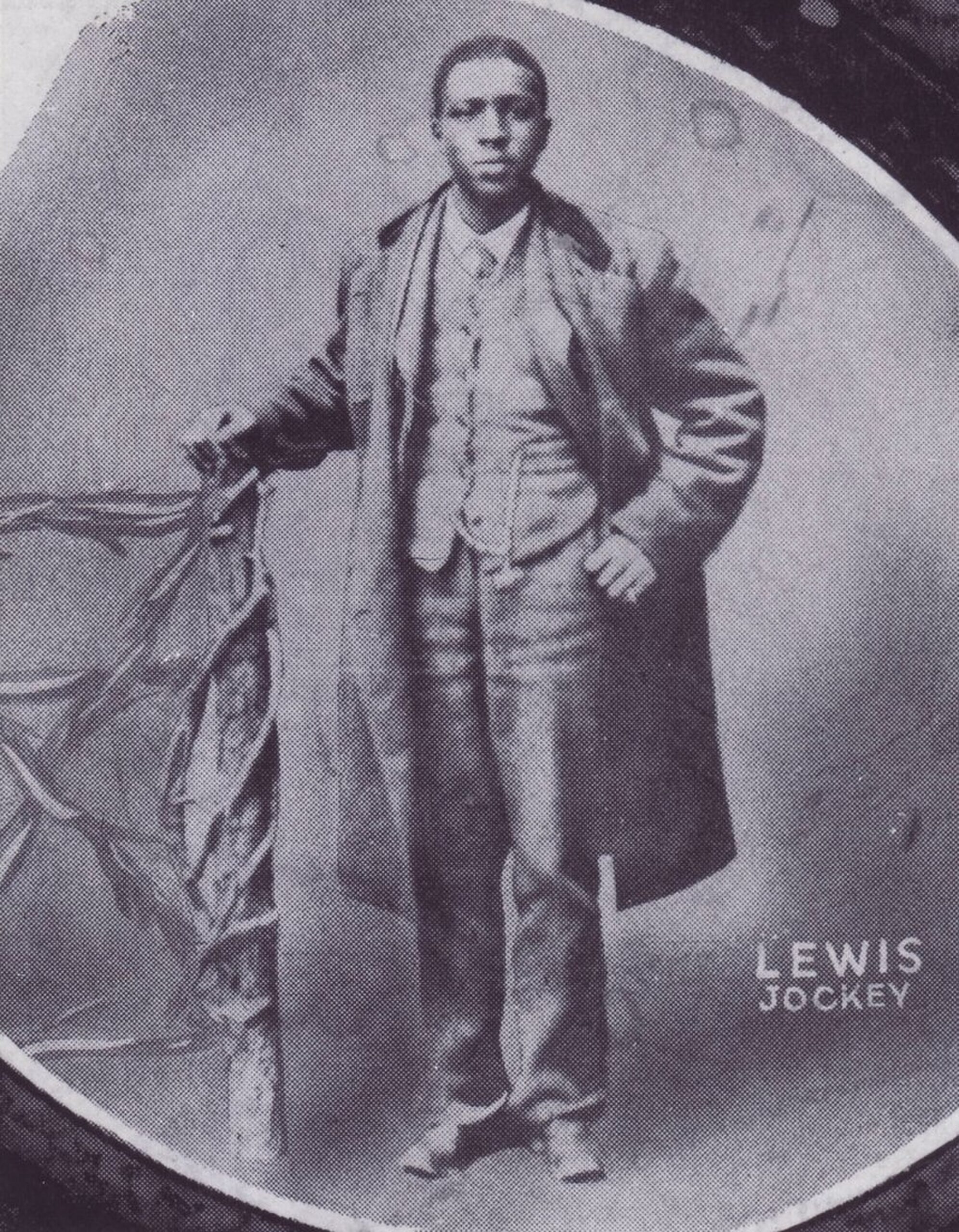
The 15-Horse Historic Dash
The world-famous Kentucky Derby was run for the very first time on May 17, 1875, at Churchill Downs in Louisville, Kentucky. Out of a competitive field of fifteen elite horses, a thoroughbred named Aristides emerged as the historic first winner under the guidance of Oliver Lewis. Lewis was a talented nineteen-year-old Black American jockey, highlighting an era where African American riders were the dominant forces in racing history, winning fifteen of the first twenty-eight runnings of the Kentucky Derby.
Image: Art showing Aristides and Oliver Lewis after winning the First Kentucky Derby via Alamy
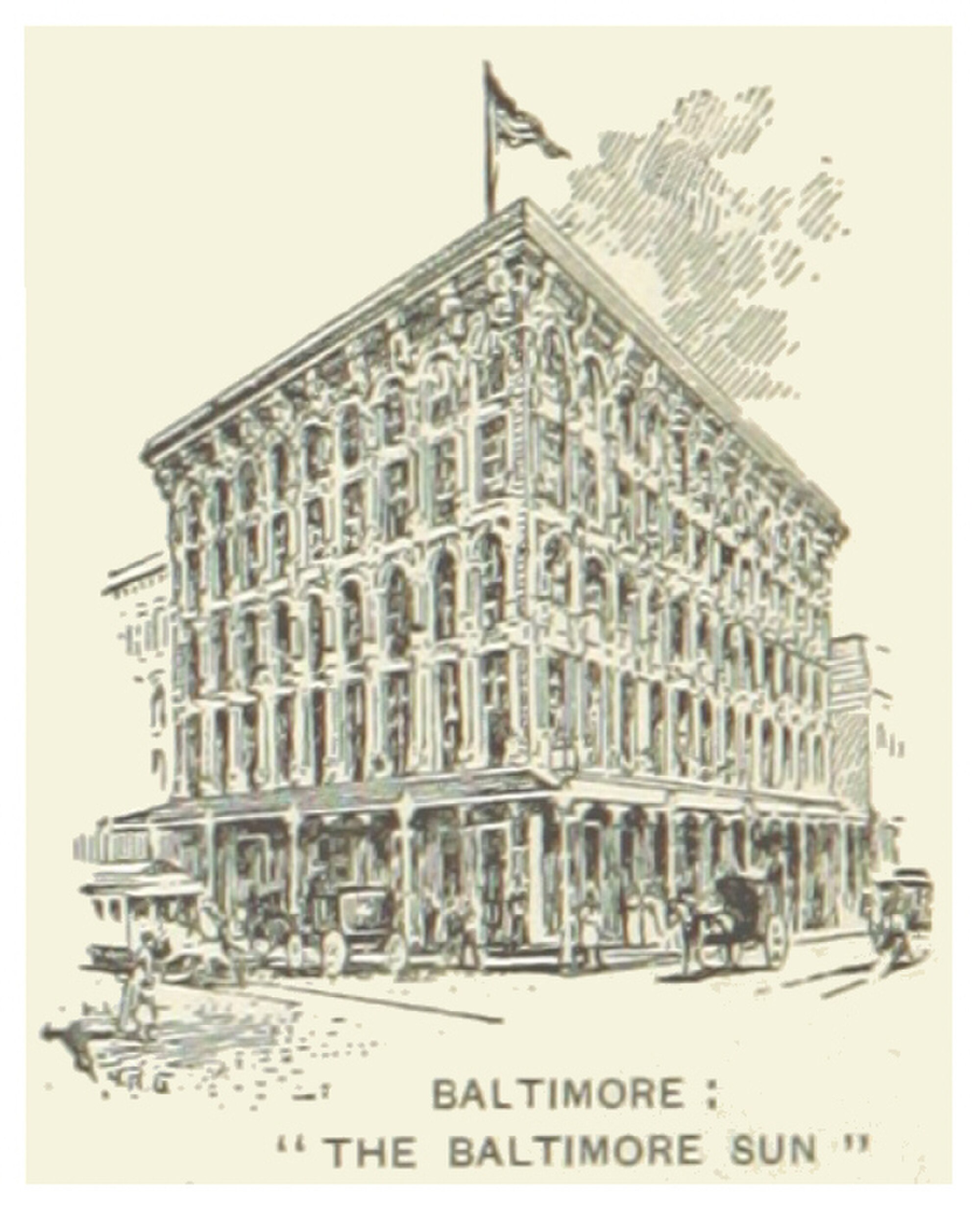
The Six-Cent Empire Born in Baltimore
On May 17, 1837, the iconic Baltimore Sun newspaper was founded by printer Arunah Shepherdson Abell alongside two of his associates, remaining an Abell family business through 1910. Abell pioneered the penny press model in Baltimore, and at a time when newspapers were expensive and sold mostly by subscription to wealthy elites, he sold copies on the street for just one cent each to open up daily news access to the working class for the first time.
Image via Wikimedia Commons, public domain
Recommended products
-
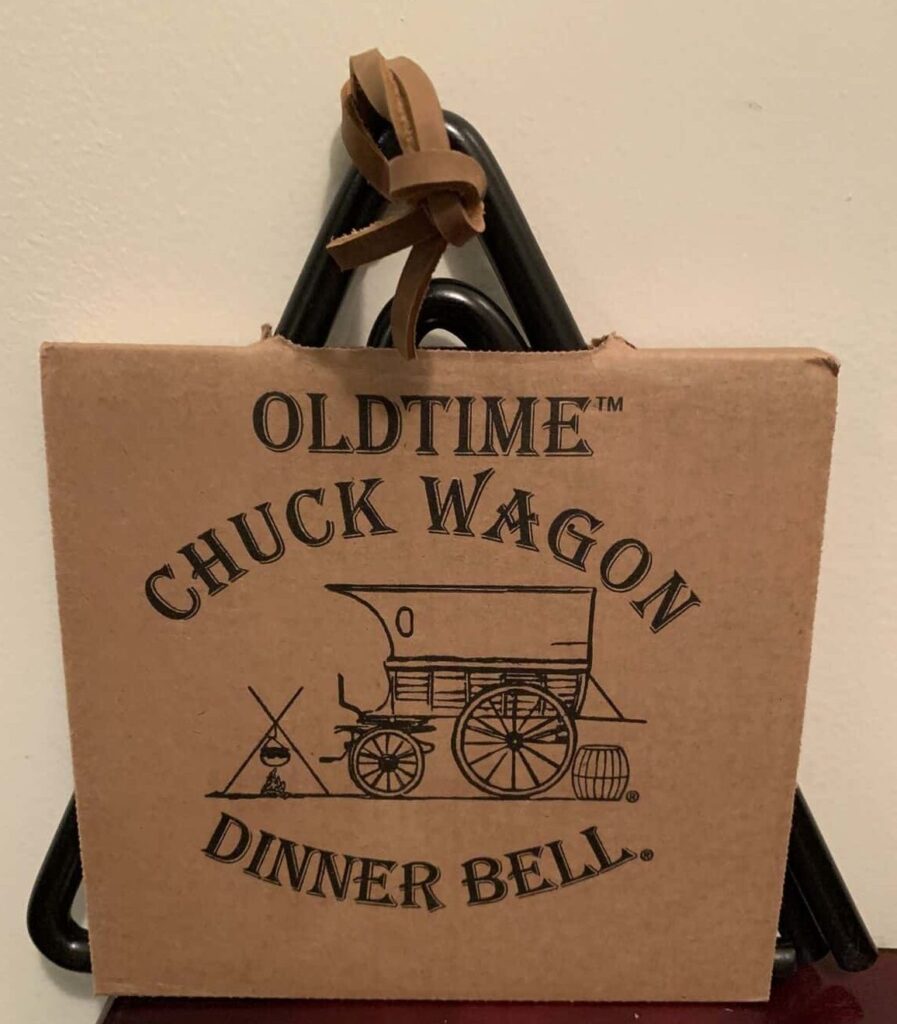
Old Time Chuck Wagon Dinner Bell – 12 inches
$17.99 -
Civil War Wagon Set
$15.00 -
Civil War Bullets & Book Pack – replicas
$9.00 -
Indian Fights And Fighters
$14.98 -
First account of the Custer Massacre 1876
$3.50 -
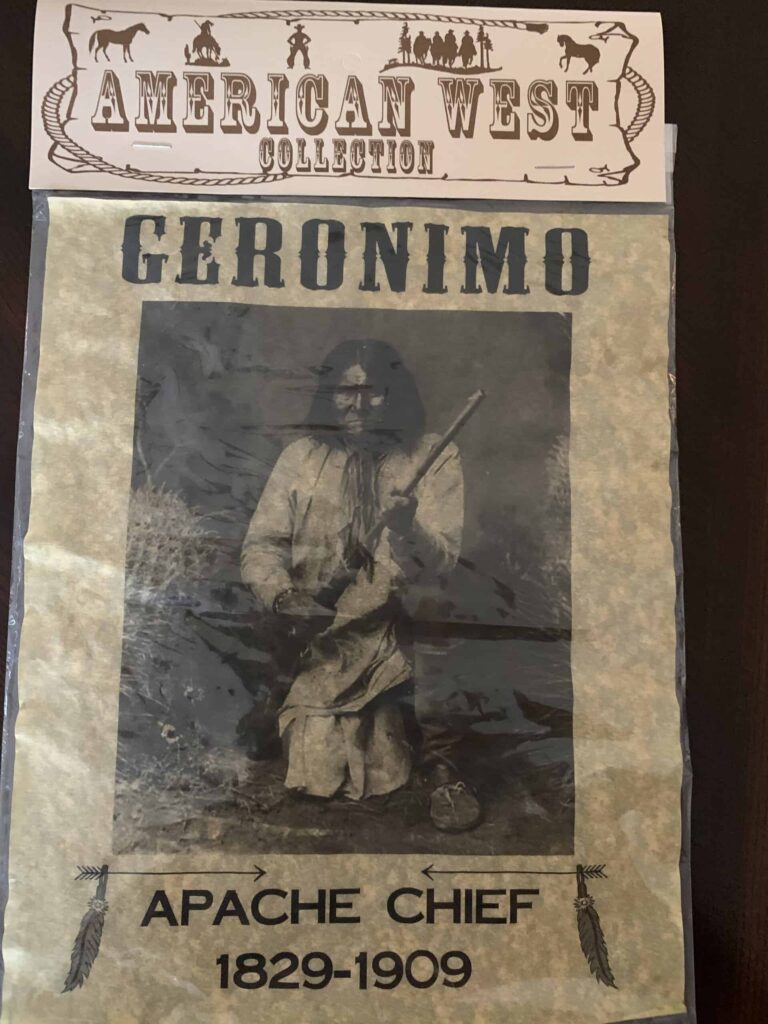
Geronimo Parchment Poster 8 x 10
$2.00 -
Old Time Chuck Wagon Dinner Bell – 10 inches
$13.99 -
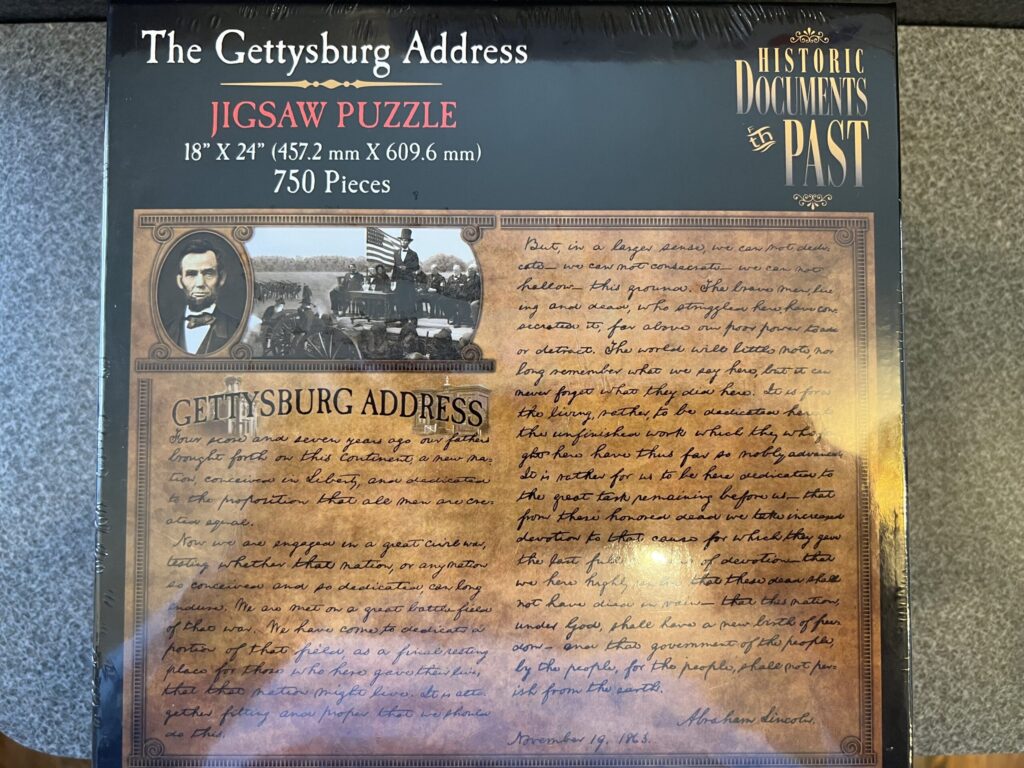
Gettysburg Address 750 Piece Jigsaw Puzzle
$14.00