
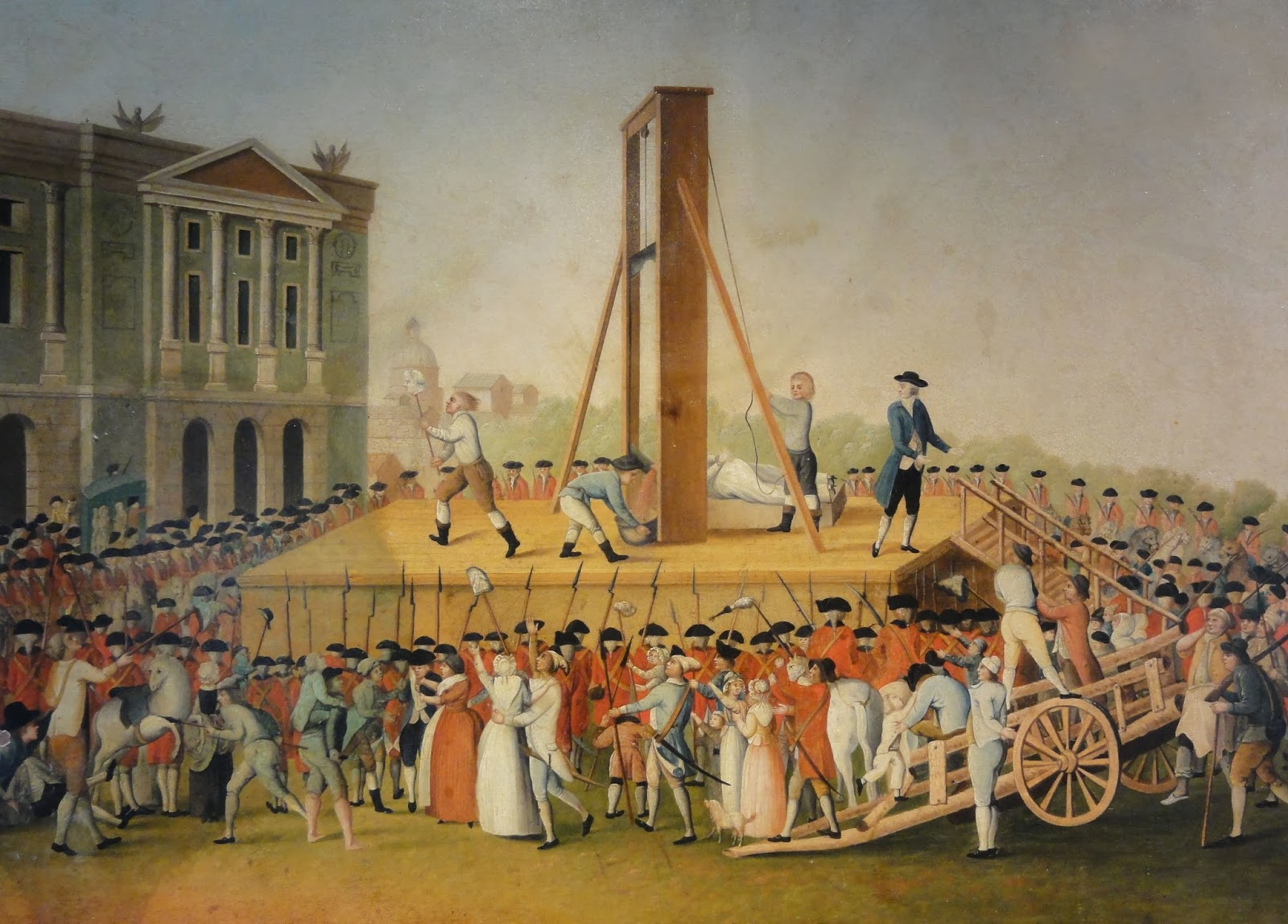
On October 16, 1793, Marie Antoinette was led to the scaffold in Paris, nearly a year after the abolition of the French monarchy and the execution of Louis XVI. Her death marked one of the French Revolution’s most symbolic moments — the destruction of a royal world that revolutionaries blamed for war, inequality, and national crisis.
Yet the origins of that crisis reached across the Atlantic. A decade earlier, France’s intervention in the American Revolution had been a strategic triumph against Britain, but an enormous financial burden. French loans, arms, troops, and naval power helped secure American independence, while the costs of the war added substantially to a royal debt already strained by earlier conflicts and an unreformed tax system.
By the late 1780s, that debt had become central to France’s political breakdown. Efforts to raise revenue and reform taxation exposed deep divisions over privilege and representation, helping set in motion the events of 1789. The Revolution that followed would eventually consume the monarchy itself — and, in October 1793, send Marie Antoinette to the guillotine.
What happened in Paris that autumn morning was not solely a French tragedy. It was also, in part, the price of a transatlantic gamble: France’s decision to help create an American republic helped hasten the collapse of its own.
