
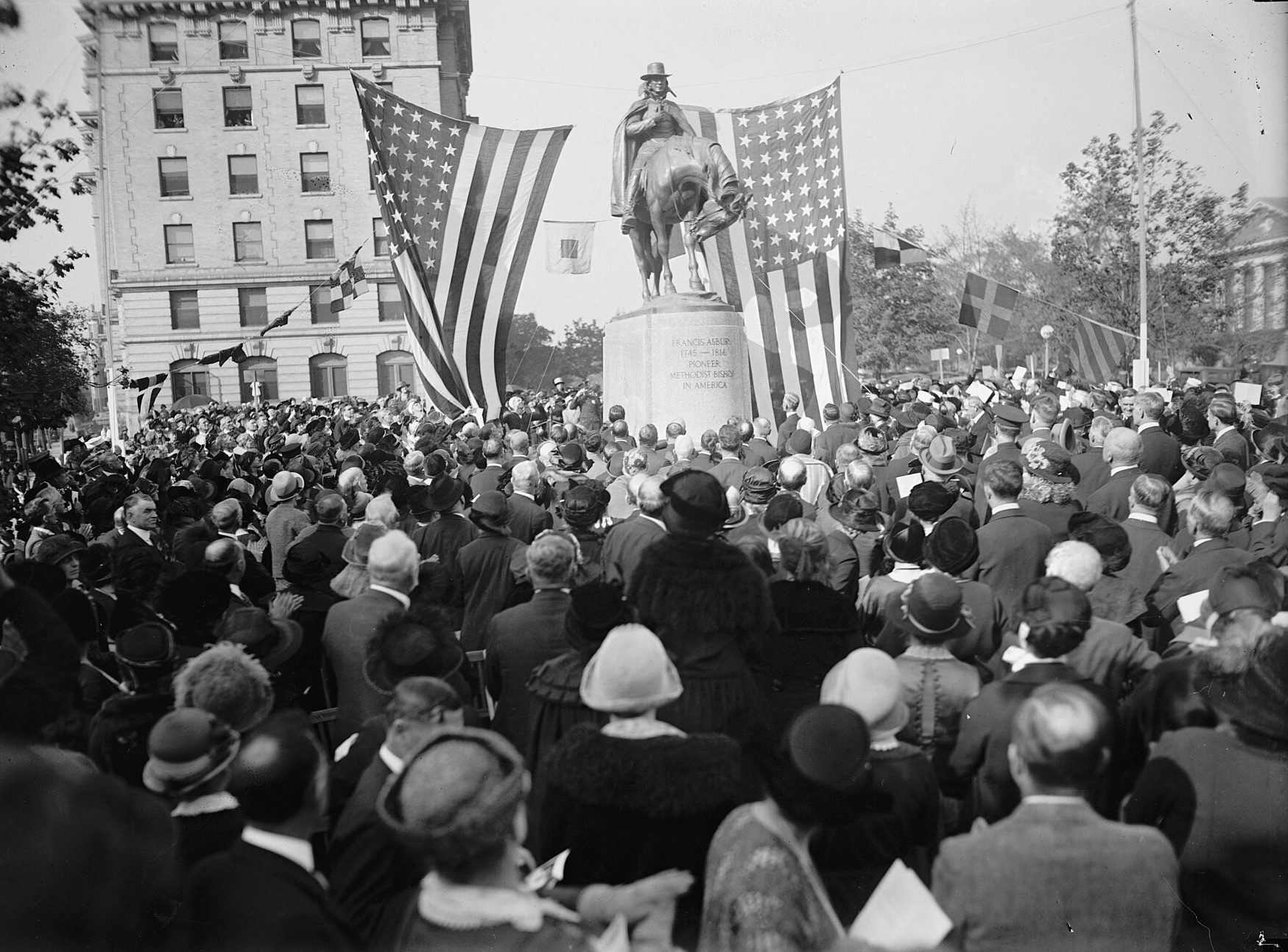
On October 15, 1924, President Calvin Coolidge delivered a memorable address in Washington, D.C., at the official unveiling of a bronze equestrian statue honoring Francis Asbury, the first American bishop of the Methodist Episcopal Church. Asbury was a foundational leader and tireless itinerant preacher who devoted his life in America to expanding Methodism across the young nation’s frontier. His unyielding devotion helped transform Methodism from a small collection of scattered societies into one of the largest religious denominations in the United States.
To accomplish this remarkable spiritual mobilization, Asbury lived an extraordinary life on the road, averaging roughly 6,000 miles of travel each year over forty-five years. Without a settled home, he journeyed endlessly on horseback through dense wilderness, across rugged mountain passes, and into remote settlements to preach the gospel. His extensive travels allowed him to connect personally with countless Americans, earning him enduring respect as a pioneer of the nation’s early civic and religious life.
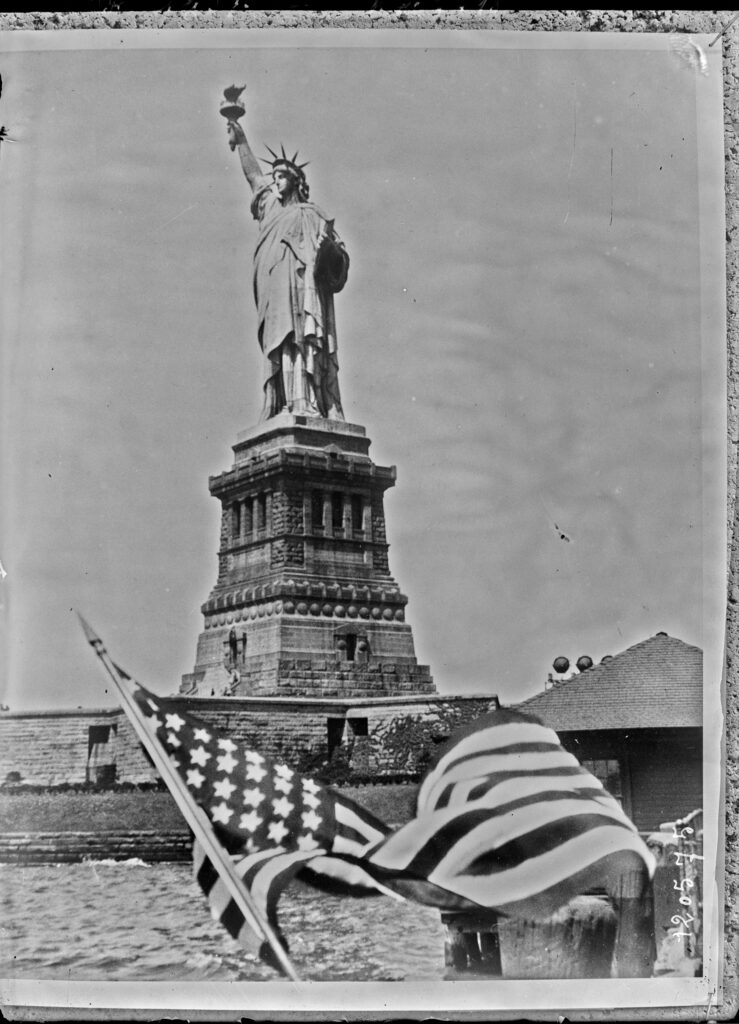
In a striking historical coincidence, President Coolidge also issued a proclamation that same day designating the Statue of Liberty and its surrounding site at Fort Wood, New York, as a national monument. By taking this official action on the day of Asbury’s statue dedication, history linked two enduring symbols of the American story: a pioneer who helped shape the nation’s spiritual landscape, and the monument that would become one of the world’s most recognized emblems of liberty.
