

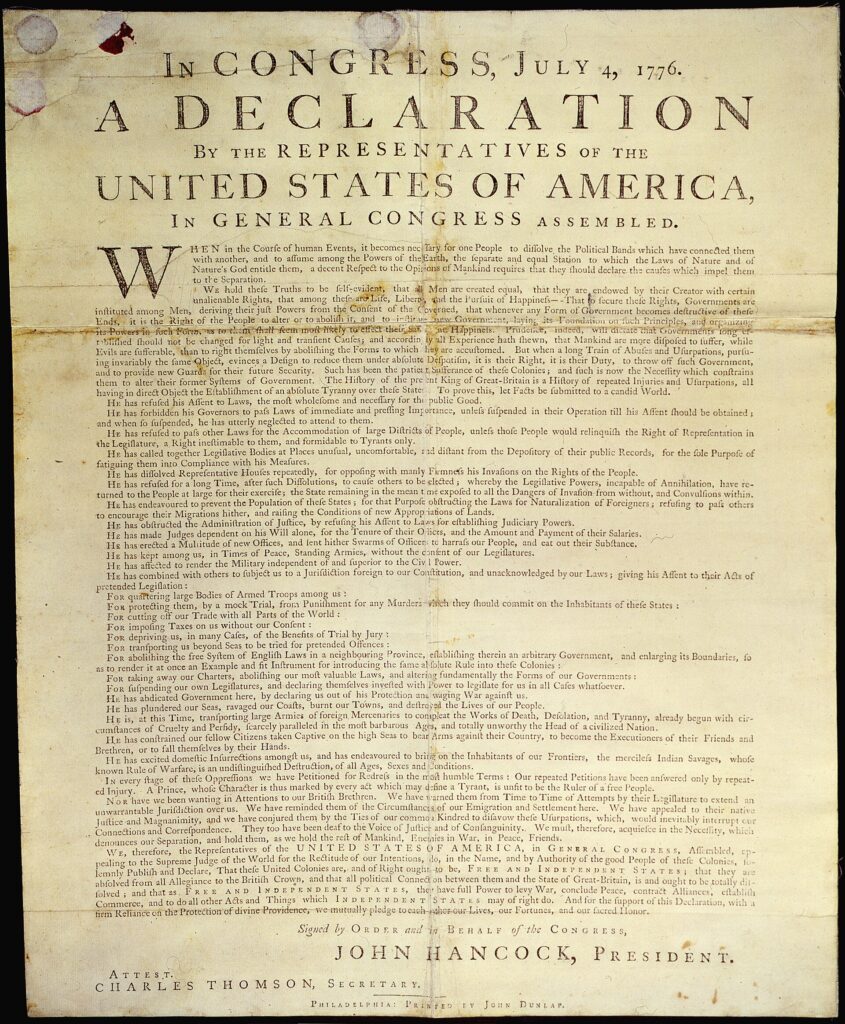
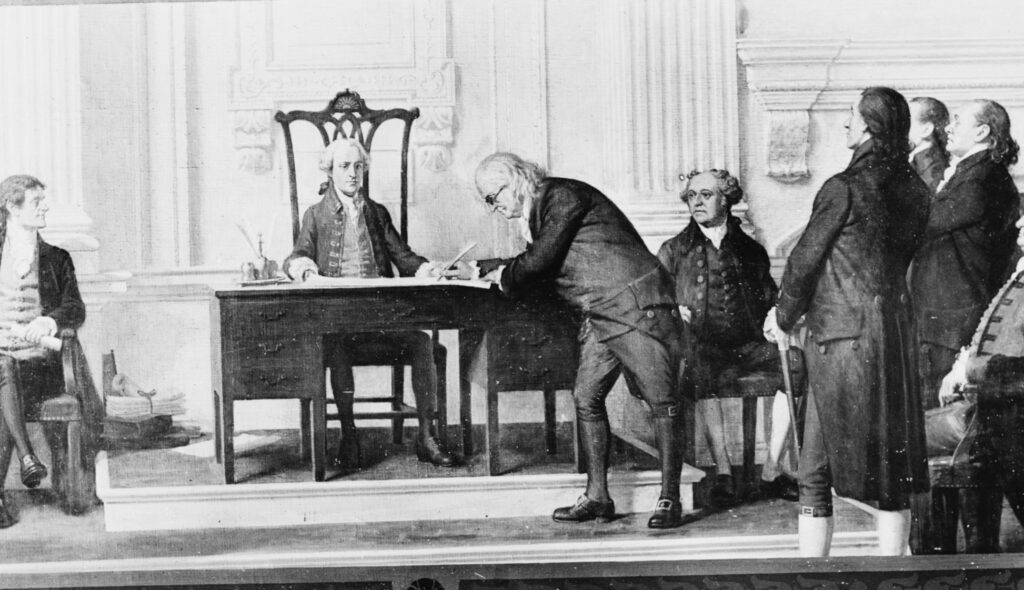
The most famous lines of the Declaration of Independence — that “all men are created equal” and “endowed by their Creator with certain unalienable Rights” — are so woven into American identity that their radicalism, and the centuries of argument they provoked, can be easy to overlook. Historians such as Pauline Maier, whose landmark study American Scripture remains a definitive analysis of the document’s creation, emphasizes that the Declaration was never meant to be a static artifact. Jefferson’s draft, shaped by Enlightenment philosophy and refined by Congress, was designed to articulate what he later called “the American mind,” a shared political vocabulary rather than a personal manifesto. Scholars like Alan E. Johnson have shown how Jefferson drew heavily from John Locke’s natural‑rights theory, yet deliberately shifted Locke’s triad of “life, liberty, and property” into the more expansive “pursuit of Happiness,” signaling a broader vision of human flourishing that went beyond material ownership.
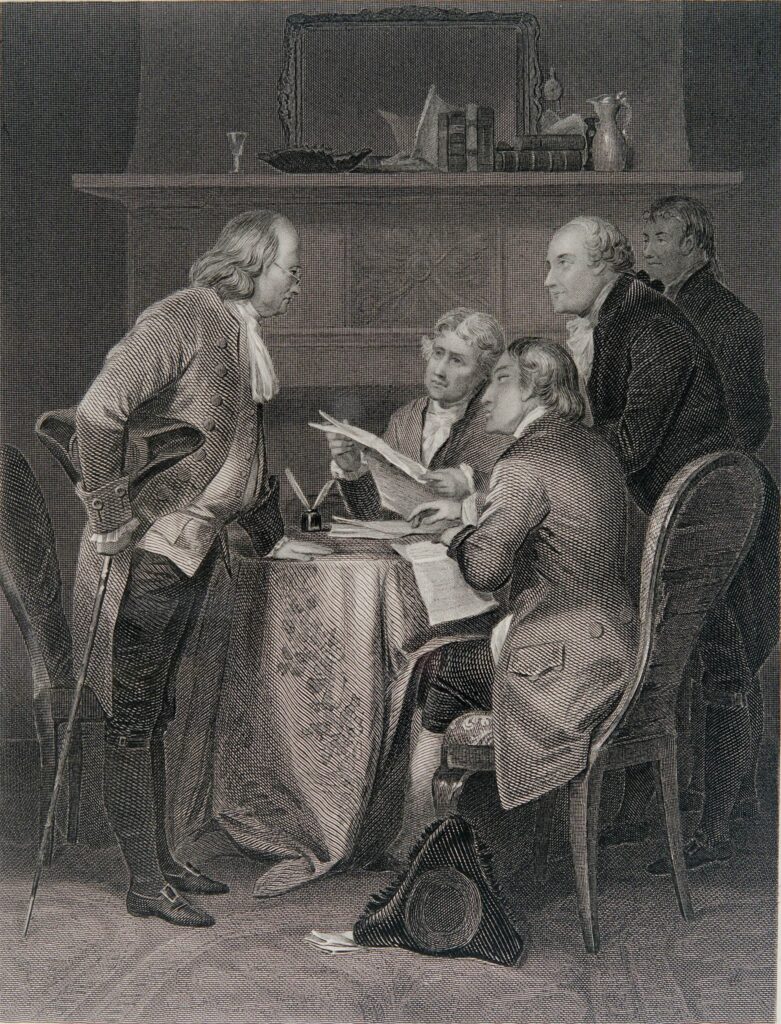
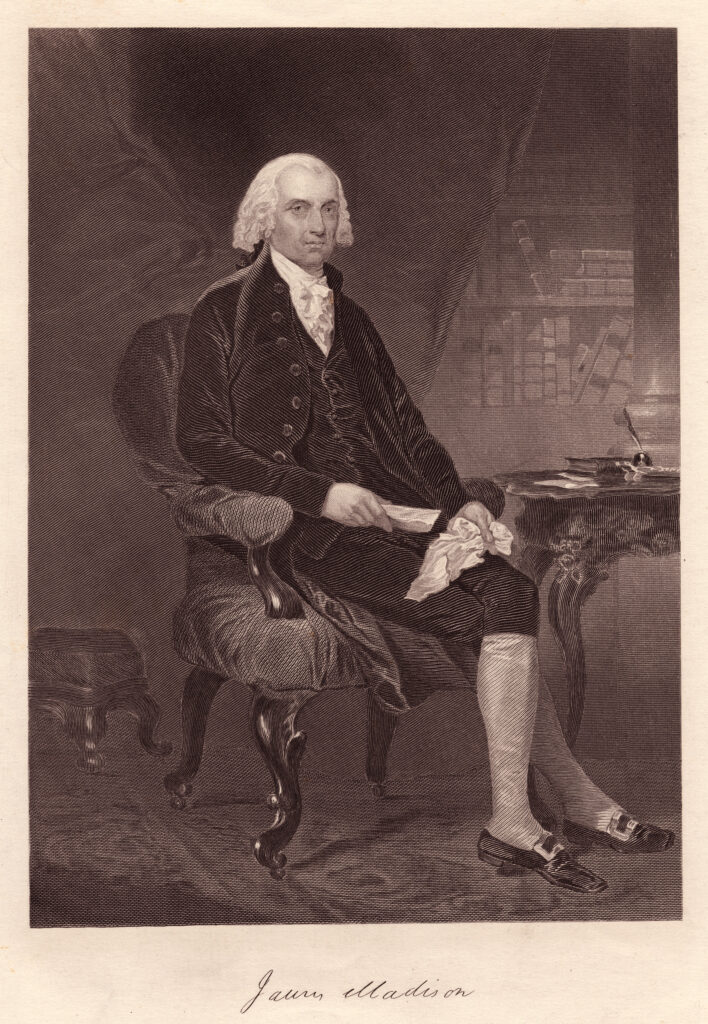
As Maier and Gordon Wood both argue, the meaning of these lines did not remain confined to 1776. Their power grew because later Americans repeatedly returned to them, treating the Declaration as a living moral standard. The War of 1812 marked the first major reinterpretation. Historian Nicole Eustace notes that for the generation of 1812, the Declaration was not yet a universal charter of human equality but a diplomatic instrument — a justification for defending what Jefferson had called the colonies’ “separate and equal station.” President James Madison, along with “War Hawks” like Henry Clay, invoked the Declaration to assert national sovereignty rather than individual rights. Yet the war’s aftermath began to shift the document’s meaning. As Stanford scholars note, the deaths of the founding generation prompted Americans to “sacralize” the Declaration, transforming it from a partisan Republican manifesto into a shared civic scripture — a symbolic anchor for national identity.
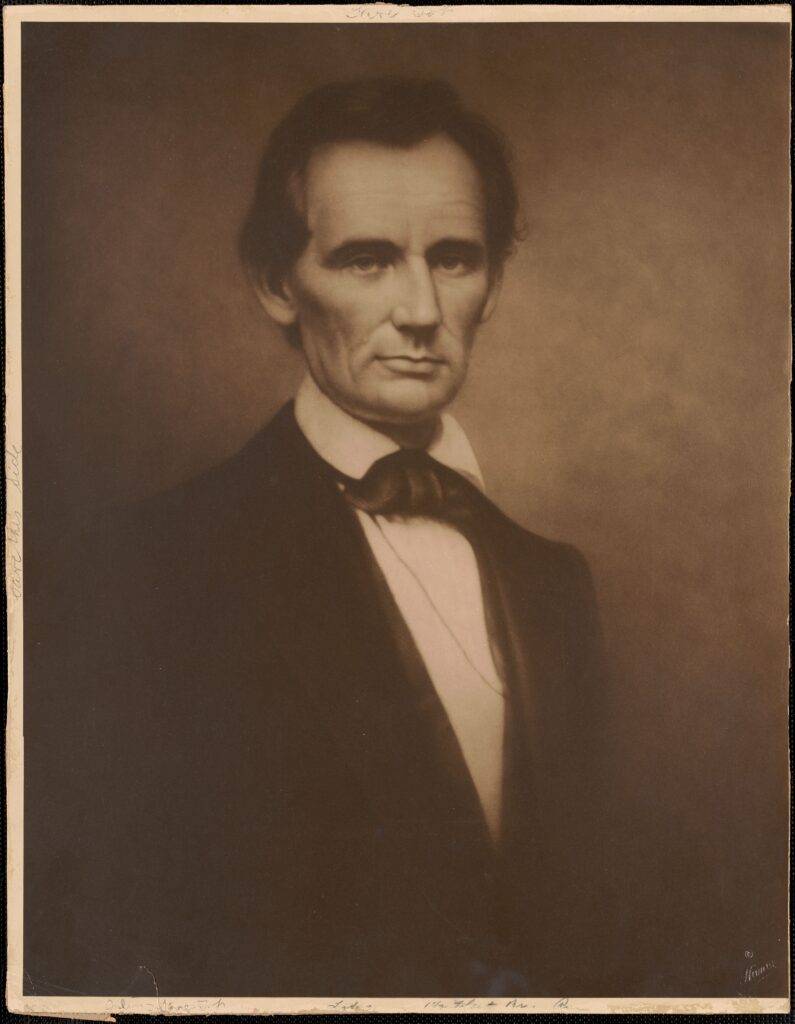
The Civil War brought the Declaration into its second great transformation. By the 1860s, the document had become, in Abraham Lincoln’s famous metaphor, the “apple of gold” at the center of the American experiment. Historians such as Lewis E. Lehrman argue that Lincoln “wrested” the Declaration from Southern Democrats, who had long treated it as a compact among equal states rather than a statement of individual rights. Lincoln instead insisted that the Declaration’s equality clause applied universally — a moral compass for the nation and a rebuke to slavery. Douglas R. Egerton and David Blight both emphasize that Lincoln grounded his political philosophy in the Declaration’s universal claims, warning that narrowing its meaning would “blow out the moral lights around us.” Frederick Douglass, speaking as a formerly enslaved man, offered a parallel but distinct interpretation. He called the Declaration’s principles “saving principles,” arguing that the text condemned slavery even if the nation had failed to honor it. Charles and Mary Beard later famously described the Civil War as the “Second American Revolution,” the moment when the Declaration’s egalitarian ideals finally confronted — and began to overturn — the Constitution’s earlier compromises with slavery.
The 20th century globalized the Declaration’s meaning. During World War I, the document’s natural‑rights language became a philosophical foundation for Woodrow Wilson’s call for national “self‑determination.” At the Declaration’s 150th anniversary in 1926, Senator Albert Beveridge described it as a “developing” symbol — no longer merely a justification for American independence but a universal charter for oppressed peoples worldwide. World War II expanded this trajectory even further. Franklin Roosevelt’s “Four Freedoms” speech drew directly from the Declaration’s natural‑rights tradition, framing the global fight against fascism as a defense of the same principles Jefferson articulated in 1776. By mid‑century, those principles were woven into the Universal Declaration of Human Rights, fulfilling what historian Joseph Ellis calls “the most potent and consequential words in American history.”
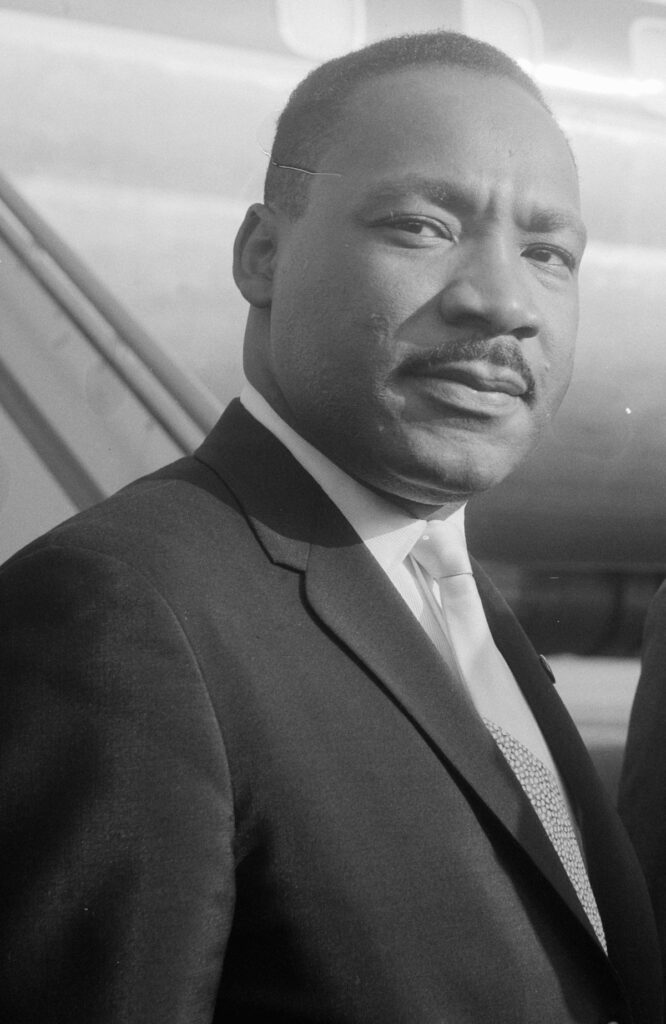
Across these eras, reformers continued to claim the Declaration’s authority. At Seneca Falls in 1848, Elizabeth Cady Stanton and her colleagues modeled the Declaration of Sentiments on Jefferson’s structure, opening with the now‑famous revision: “all men and women are created equal.” A century later, Martin Luther King Jr. framed the Declaration as a “promissory note” guaranteeing rights to all Americans — a pledge the nation had yet to fulfill. As Taylor Branch and Clayborne Carson document, King’s use of the Declaration placed the civil rights movement squarely within the American tradition, arguing not for revolution but for the completion of the founders’ own commitments. In effect, the Declaration’s language migrated from a national manifesto to a universal grammar of human rights.
Taken together, these historian‑documented interpretations reveal that the Declaration’s most famous lines became powerful not because they were perfect in 1776, but because Americans kept insisting they mattered. Each generation — wartime leaders, abolitionists, suffragists, civil rights activists, presidents, and scholars — returned to Jefferson’s words to measure the distance between the nation’s ideals and its realities. As Gordon Wood observes, the Declaration endures because its universal language allows every era to claim it anew. And as Ellis argues, its strength lies in its aspirational quality: it sets a standard the nation must continually strive to meet.




Leave a Reply