
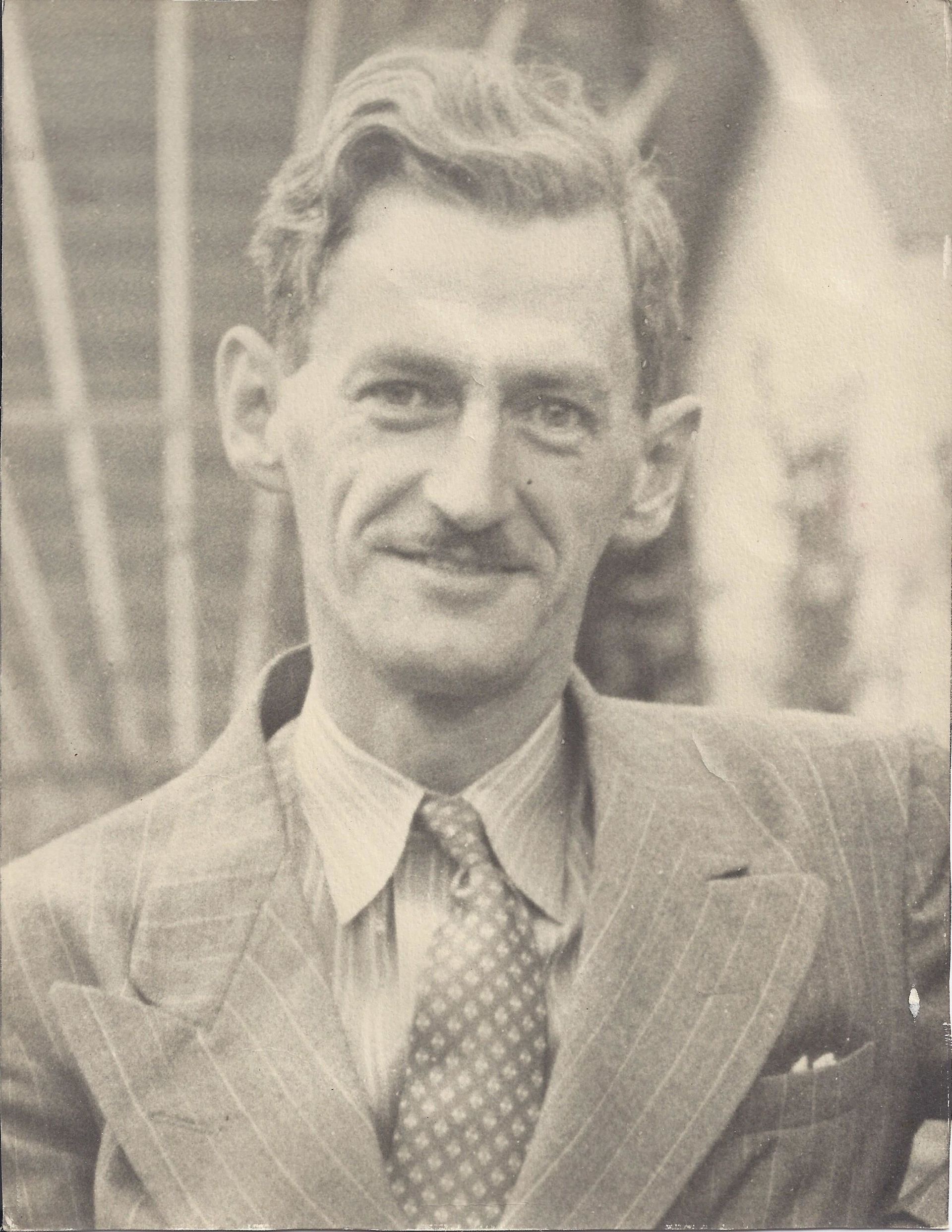
At Angel Mounds, Glenn A. Black uncovered more than artifacts—he revealed a thriving Mississippian city, reshaping our understanding of Indigenous life in the Ohio Valley. Born August 18, 1900, Black became Indiana’s first professional archaeologist, known for his meticulous fieldwork, innovative methods, and deep respect for the cultures he studied. His legacy lives on in every trowel stroke that seeks not just objects, but meaning.
Black’s birth on August 18th introduced an intellectual pioneer who rescued early Midwestern archaeology from the chaotic realm of amateur pot-hunting and transformed it into a rigorous, scientific discipline. When he began his historic, multi-decade excavation of the massive Angel Mounds site along the Ohio River in 1939, he rejected crude trenching methods in favor of a meticulous grid system that carefully mapped every handful of earth. His work exposed a sophisticated, fortified Mississippian civic center that featured monumental earthen mounds, complex trade networks, and an advanced agricultural infrastructure that had thrived centuries before European contact.
Black’s unwavering commitment to the site extended far beyond standard academic research; he spent his life working to protect the sacred landscape from industrial development and suburban sprawl. He recognized that the earthen structures were not mere historical curiosities, but monumental testaments to a rich Indigenous heritage that demanded public respect. His pioneering methods and structural preservation efforts turned Angel Mounds into a world-class research center, ensuring that future generations could study the sophisticated architecture of the Mississippian culture.
Image: Portrait of Indiana archaeologist Glenn A. Black in the late 1930s from HanreaGBL • CC BY-SA 4.0 via Wikimedia Commons
