
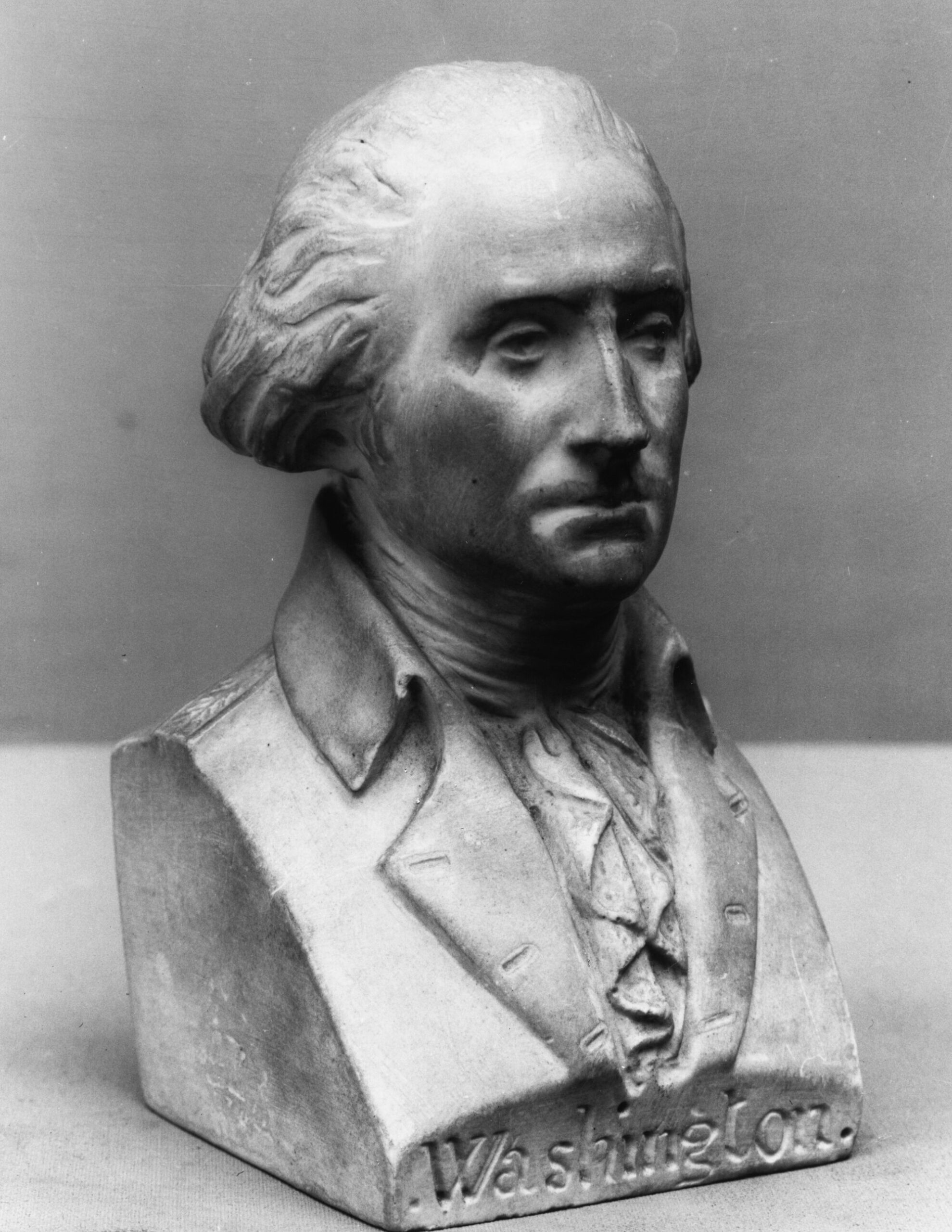
On October 21, 1798, George Washington wrote from Mount Vernon to his longtime friend and former Revolutionary War artillery commander, Henry Knox. With the prospect of a wider war with France looming, Washington faced a delicate problem within the army’s leadership: a disagreement over the relative rank of Knox, Alexander Hamilton, and Charles Cotesworth Pinckney.
Washington’s letter combined a defense of the arrangement with an appeal to friendship and public duty. He told Knox that it would give him “sincere pleasure” to see him serve as a major general, urging him to set aside questions of precedence for the greater purpose of defending the country. If Knox declined that appointment, Washington welcomed his offer to serve as an aide-de-camp—but asked him to consider whether he could do so without lingering resentment.
“Do not unite yourself,” Washington cautioned, to a man Knox might regard as responsible for what he considered a “degradation.” Such feelings, Washington explained, would make him unhappy:
“…my first wish would be that my Military family—and the whole Army—should consider themselves as a band of brothers, willing & ready, to die for each other.”
The words were more than an abstract celebration of comradeship. They were an appeal for trust at a moment when wounded pride and disagreements over rank threatened cooperation among old comrades. Read in that setting, the passage reveals Washington’s desire for an army united not merely by its chain of command, but by mutual confidence and affection.
A Band of Brothers — George Washington to Henry Knox
On October 21, 1798, Washington wrote to Knox about a dispute over military rank. Appealing to their friendship, he expressed his wish that his military family and the entire army consider themselves “a band of brothers, willing & ready, to die for each other.”
