
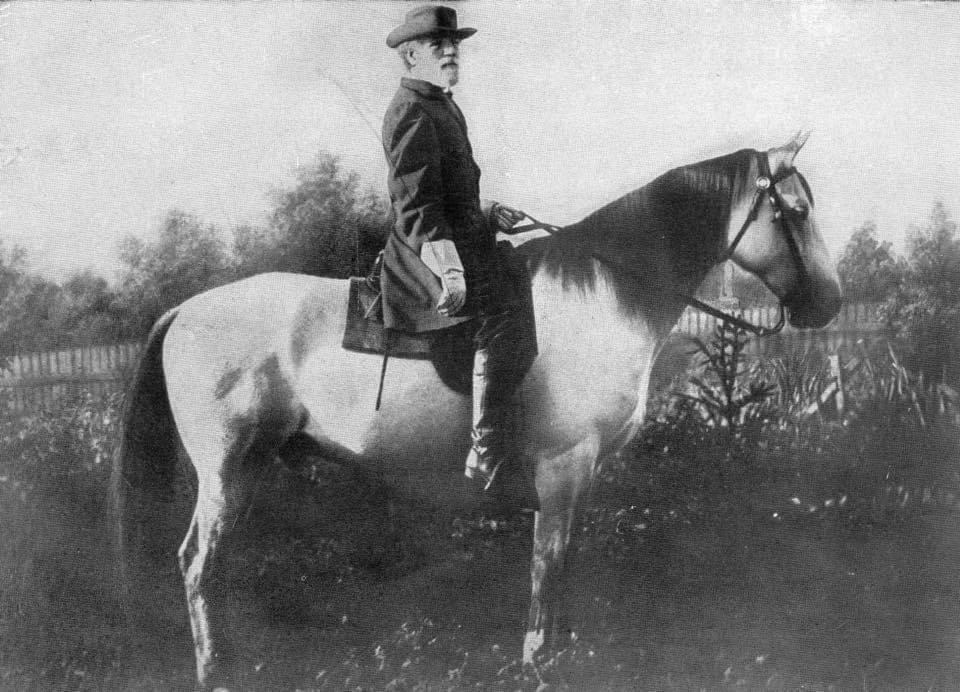
On August 8, 1863, over a month after the Battle of Gettysburg, General Robert E. Lee requested his resignation with a written letter to Confederate President Jefferson Davis. Davis immediately rejected Lee’s request.
Lee’s letter of resignation was born out of profound physical exhaustion and a crushing psychological weight following the catastrophic failure of his second invasion of the North. In the private dispatch, Lee admitted that his health was rapidly failing under the immense stress of the campaign, and he expressed a deep, agonizing worry that his army was losing faith in his leadership after the slaughter at Pickett’s Charge. He urged Davis to replace him with a younger, more energetic commander who could restore the South’s military fortunes.
Jefferson Davis recognized that accepting Lee’s resignation would deal a fatal, irreversible psychological blow to the entire Confederate war effort. To the public, Lee was the absolute living symbol of the Southern cause, and his departure would have completely shattered civilian morale and broken the spirit of the Army of Northern Virginia. Davis’s swift rejection permanently bound the fate of the Confederacy to Lee’s failing health and defensive strategies, forcing both men to march forward into a brutal war of attrition that they privately suspected was already lost.
Image: General Robert E. Lee and his horse “Traveller” c. 1866 via Wikimedia Commons, public domain
