
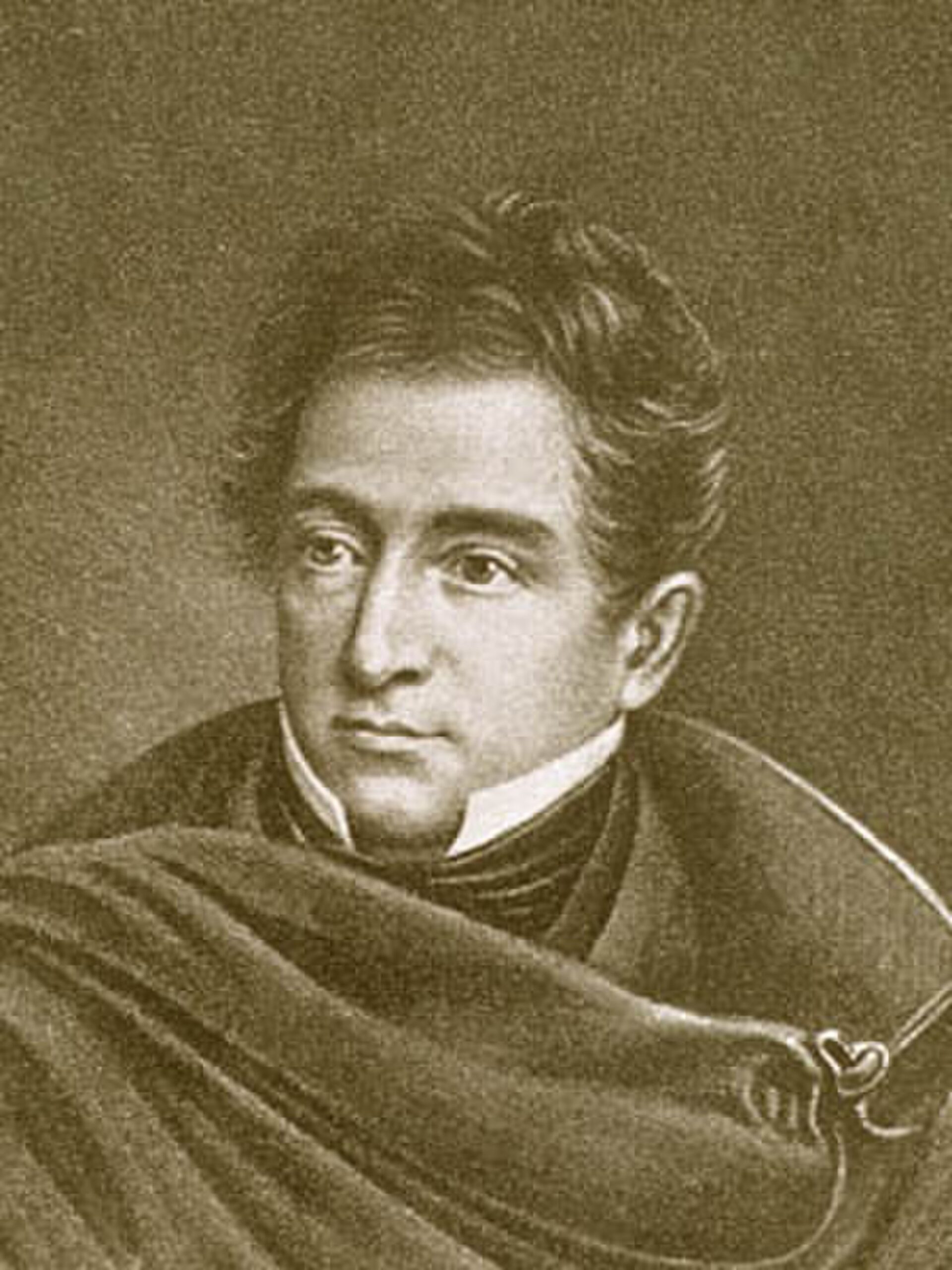
On October 6, 1829, Pierre Auguste Charles Bourguignon Derbigny, Louisiana’s sixth elected governor, died in Gretna after injuries sustained three days earlier in a carriage accident. Born in France in 1769, Derbigny left amid the upheaval of the French Revolution and, after years spent in several locations in the Caribbean and North America, settled in New Orleans in 1797. There he became a major figure in the legal and political transition that followed the Louisiana Purchase.
Derbigny’s most lasting achievement was his role in shaping Louisiana’s distinctive civil-law tradition. He served as a justice of the Louisiana Supreme Court from 1813 to 1820 and as secretary of state before his election as governor in 1828. Along with Edward Livingston, Louis Moreau-Lislet, and other jurists involved in the revision, he helped produce the Civil Code of 1825. The code preserved Louisiana’s continental civil-law foundations while adapting them to the needs of an American state—an inheritance that continues to distinguish Louisiana law from the common-law systems used elsewhere in the United States.
Derbigny’s governorship lasted only about ten months, but he advocated public-school oversight, regulation of steamboats to reduce accidents, and public works, including levee inspection and repair. His administration ended abruptly after he was thrown from a horse-drawn carriage near Gretna. He died on October 6, 1829, and was buried in St. Louis Cemetery No. 1 in New Orleans.
Derbigny is remembered as a jurist, legislator, and public servant whose work helped secure Louisiana’s enduring civil-law identity within the United States.