
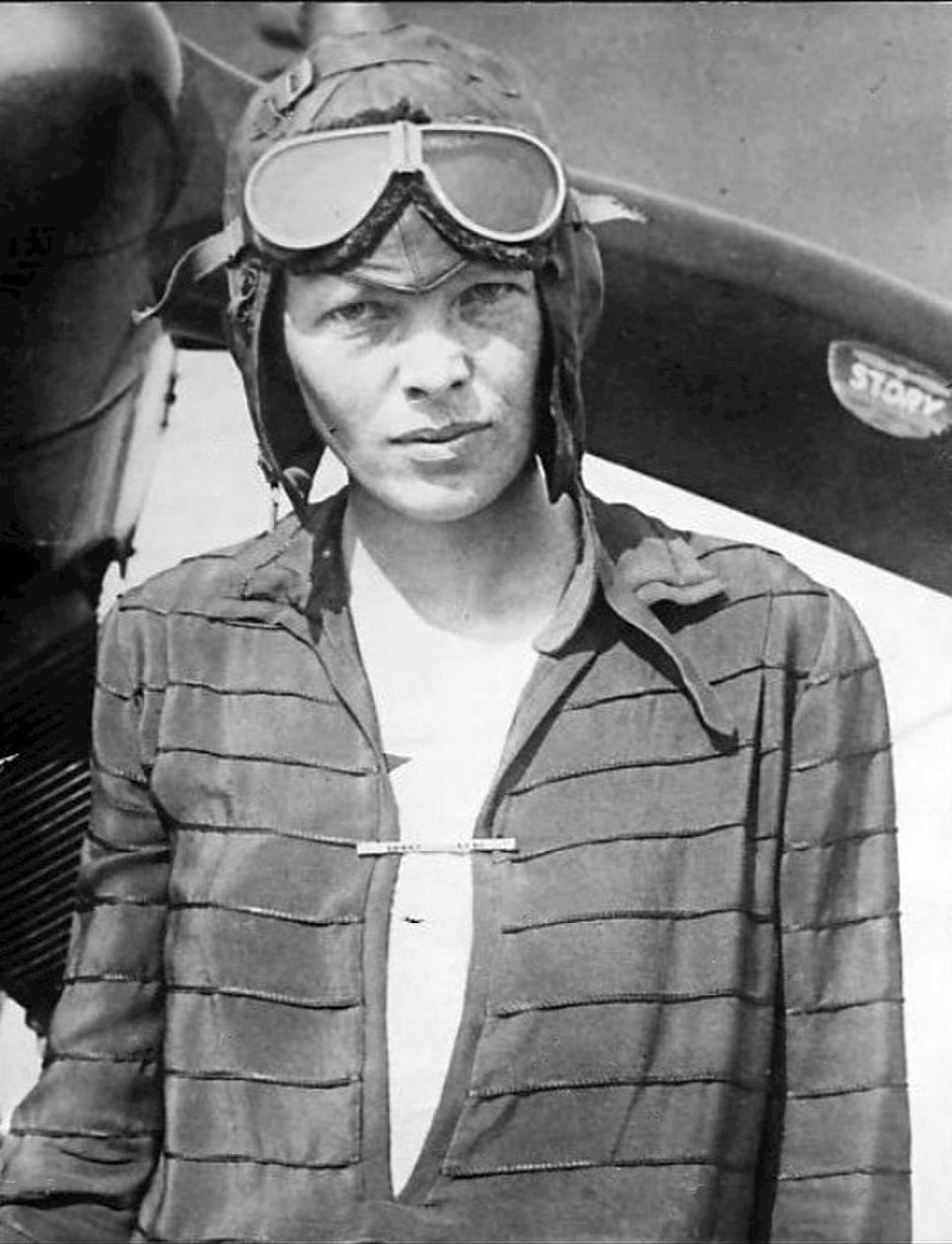
The date of July 18 marks two profoundly contrasting chapters in the legacy of Amelia Earhart. Exactly nine years apart, this single calendar day links a public appearance early in her aviation career with the tragic conclusion of her final flight. Taken together, these events illustrate her early work promoting American air travel infrastructure and the immense risks she later took to push the boundaries of flight.
July 18, 1928: The Dedication of Stultz Field
On July 18, 1928, Amelia Earhart traveled to Altoona, Pennsylvania, to participate in the dedication ceremony for Stultz Field. The new airport was named in honor of Wilmer Stultz, who had served as the pilot for the historic Friendship flight a month earlier. That pioneering transatlantic journey — completed on June 17–18, 1928 — carried Earhart from Newfoundland to Wales, making her the first woman to cross the Atlantic Ocean by air as a passenger.
Earhart’s presence at the Pennsylvania airfield dedication was part of a broader publicity tour following the June flight. Her participation underscored her determination to share credit with her crewmates, pilot Wilmer Stultz and mechanic Louis Gordon, while using her sudden international celebrity to advocate for the expansion of regional American aviation safety and infrastructure.
July 18, 1937: The Official End of the Pacific Search
Nine years later, the focus shifted from public celebration to national tragedy. On July 18, 1937, the U.S. Navy officially called off its massive 16‑day search operation for Earhart and her navigator, Fred Noonan. The pair had vanished over the Pacific Ocean earlier that month during an ambitious attempt to fly around the world. Her final radio transmissions indicated she believed she was flying near her refueling stop at Howland Island, but she was never able to locate the small landmass.
The extensive naval rescue operation involved multiple ships, including the battleship Colorado and the aircraft carrier Lexington, alongside numerous aircraft. Despite an intensive search effort that scanned thousands of square miles of open ocean, no confirmed trace of Earhart, Noonan, or their Lockheed Electra was ever found. The Navy’s official termination of the search at sunset on July 18 marked the end of the active rescue mission, cementing Earhart’s status as an enduring historical mystery.
